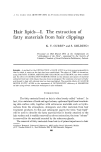
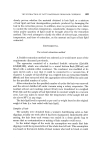
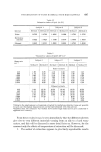
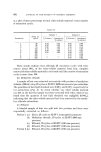
THE EXTRACTION OF FATTY MATERIALS FROM HAIR CLIPPINGS Table I Solvent extraction temperatures (Atmospheric pressure) Solvent Boiling point øC Ether ' 35.0 Methylene chloride i 40.5 Ethanol 78.0 Soxhlet extraction temperature øC 32.0-35.0 38.5-40.5 68.0-78.0 near to physiological temperatures, whereas that for ethanol is considerably higher. The use of temperatures above 35 øC is inadvisable for the following reasons: (1) The hair lipid is extracted under temperature conditions which differ considerably from those existing on the scalp. This could lead to thermal modification of the hair lipid so that it no longer bears any relation to the material existing on the hair surface. (2) The use of high temperatures may lead to degradation of the hair. This is particularly likely in the case of ethanol which has been shown to extract intercellular material from hair on prolonged extraction (13). To examine the effect of extraction temperature on the lipid obtained, samples of hair collected from an individual were blended and split into two equal parts. The two halves of the sample were sequentially extracted as follows: Method 1 (a) (b) 25 cycles of ether at 32-35øC (atmospheric pressure) 25 cycles of methylene chloride at 32-35øC (600 mm pressure) (c) 25 cycles of ethanol at 32-35øC (100 mm pressure) Method 2 (a) 25 cycles of ether at 32-35øC (atmospheric pressure) (b) 25 cycles of methylene chloride at 38.5-40.5øC (atmos- pheric pressure) (c) 25 cycles of ethanol at 68-78øC (atmospheric pressure) It was felt that it would not be satisfactory to use time as the criterion for the duration of the extraction since different solvents would give differ- ent numbers of extraction cycles in a given time, due to their different heat capacities (i.e. the effective extraction volume would be very different for each solvent). The method selected was to count the number of extraction cycles so as to ensure that the extraction volume was the same in all cases. The reduced pressures were selected so as to ensure the same temperature extraction range for each solvent. After each stage of the extraction, the

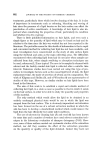
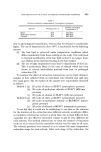
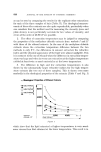
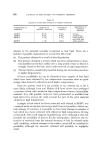
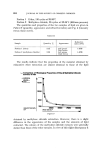
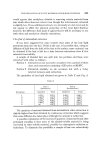
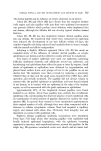
686 JOURNAL OF THE SOCIETY OF COSMETIC CHEMISTS hair samples were removed from the apparatus and any residual solvent was removed under vacuum. When the hair samples were free from solvent. the next stage of the extraction procedure was carried out. The samples of hair lipid from each stage of the extraction were weighed and examined separately to emphasize any differences that might exist and also to obtain information on the types of material likely to be present in hair lipids rather than to infer them from the properties of the composite samples. The experiment was carried out on samples of hair from three separate subjects and the extracts were examined gravimetrically, visually, by refractometry (using an Abbd refractometer) and by viscometry (using an Haake cone and plate viscometer). The results are given in full in Tables II-V. Table II Quantity of lipid Solvent Ether Methylene chloride Ethanol Subject 1 Method I 4.7% 0.6% 1.o% Method II 4.8% 0.6% 3.6% Subject 2 Method I 5.2% 0.8% 1.4% Method II Subject 3 Method I 4.9% 1.0% 0.5% 0.4% 3.6% 0.4% Method II 0.8% 0.4% •.6% Total extract 6.3% 9.0% 7.4% 9.0% 1.8% 2.8% Table III Appearance of lipid (Room temperature: 20øC) Subject 1 Sub' ect 2 Subject 3 Method I Method II Method I Method II Method I Method II Ether viscous viscous viscous viscous viscous viscous oil oil oil oil oil oil Methylene chloride Grey Grey Light Light Light Light brown brown brown brown brown brown grease grease grease grease grease grease Ethanol Light brown wax Dark brown hard wax Brown wax Dark brown hard •,Tax White Hard white -•rax
Purchased for the exclusive use of nofirst nolast (unknown)
From: SCC Media Library & Resource Center (library.scconline.org)