]. Soc. Cosrnet. Chem., 23, 549-564 (August 17, 1972) Methods for Isolating and Identifying Objectionable Gram-Negative Bacteria and Endotoxins from Topical Products j. R. EVANS, M.S., M. M. GILDEN, B.S., and C. •A •. BRUCH, Ph.D.* . Presented December 13-14, 1971, New York City Synopsis--Because the MICROBIAL CONTAMINANTS in TOPICAL PRODUCTS have been the cause o/ nosocomial infections, the detection of the presence of clinically impor- tant organisms has become an accepted aspect of industrial and regulatory microbiology for these products. Since 1968, 1550 GRAM-NEGATIVE isolates have been speciated from raw ingredients and finished products. The basic ISOLATION scheme employs a sterility test in a broth to ncutralize preservatives followed by isolation of specific microbial groups on selective enrichment media. Pseudomonas sp. represent 50% of the isolates, while Klebsiella sp. were the next most frcquently encountered (11%) group. INTRODUCTION Since October 1968, this laboratory group has speciated or char- acterized approximately 1650 microbial isolates, primarily gram-negative bacteria, from topical products and the manufacturing environments for such products. This laboratory activity has coincided with the increased concern over gram-negative bacteria as opportunistic pathogens. These organisms are now the major cause of sepsis and death in burn patients, in patients exposed to radical surgery or ionizing radiation, in patients undergoing drug therapy which modifies the leukocytic, inflammatory, *Drug Microbiology Branch, Division of Drug Biology, Food and Drug Administration, Washington, D.C. 20204. 549

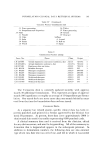
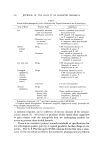
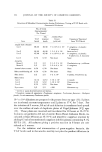
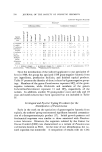
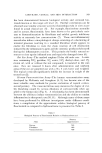
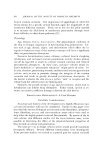
550 JOURNAL OF THE SOCIETY OF COSMETIC CHEMISTS Table I Status of Microbiological Quality Guidelines for Topical Products in the United States Area of Body Product Type Guidelines Eye Genito- urinary tract Ear and nose Damaged epithelium (lesions, wounds, abrasions, burns) Normal epithelium 0phthahnic solutions (also eye cleansers) Ophthahnic ointments Cosmetics (eye liner, eye shadow, mascara, etc. ) Drugs Cosmetics Drugs Drugs Cosmetics Drugs Cosmetics (skin lotions, baby lotions, baby powder, etc. ) Stcrilc• multidose units should have preservative USP requires 10 organisms/g: no P. aeruginosa b or S. aureus b None recalls c on presence of P. aeruginosa, other objectionable Pseudomonas, S. aureus USP recommends absence of Salmondid, S. aureus, P. aeruginosa and E. coli • None recalls on presence of P. aeruginosa, other objectionable Pseudomonas, Klebsiella, P. mirabills*, S. marcescens •. USP recommends absence of Salmonella, S. aureus, P. aeruginosa and E. coil Frequently labeled as sterile USP recommends absence of Salmonella, S. aureus, P. aeruginosa and E. coli Use not recommended Same as for damaged epithelium None recalls on presence of P. aeruginosa, other objectionable Pseudomonas, Kiebsiella, S. marsescens, S. aureus "Probabili W of survivors 10-s see Class A products, p. 855, USP XVIII. • Complete names of organisms: Pseudomonas aeruginosa, Staphylococcus aureus, Escherichia coli, Proteus mir abills, Serratia marcescens. c Voluntary recall of products by manufacturers. or immune response, and in sufferers of chronic diseases of the hemato- poletic system (1). All sources or products which enable these organisms to gain contact with the susceptible host are undergoing analysis for means to prevent these health hazards. There is no consistent pattern towards standards or specifications for microbiological quality (purity) of topical products, be they drugs or cos- metics. The U. S. Pharmacopeia XVIII contains for the first time a state- ment on the microbial attributes for nonsterile pharmaceutical products
Purchased for the exclusive use of nofirst nolast (unknown)
From: SCC Media Library & Resource Center (library.scconline.org)