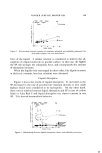
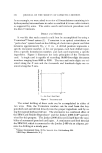
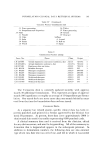
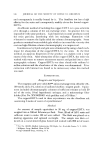
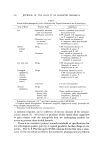
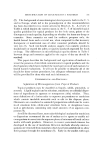
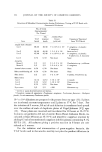
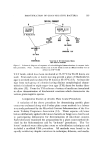
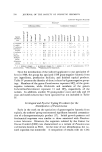
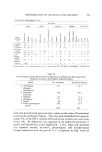
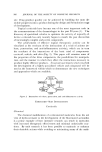
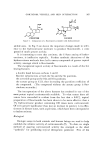
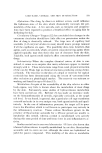
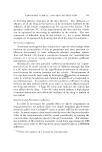
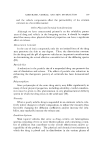
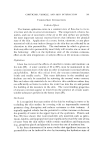
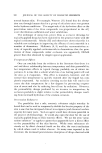
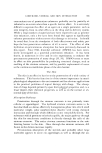
CORTICOID, VEHICLE, AND SKIN INTERACTION 567 Figure 2. Comparison of a fluorinated acetonide with hydrocortisone sirable ones. In Fig. 2 are shown the important changes made in refer- ence to the hydrocortisone molecule to produce fluocinonide, a com- pound of much greater activity. It is interesting to note that cortisone, the 11-keto analog of hydro- cortisone, is ineffective topically. Further synthetic alterations of the hydrocortisone molecule have led to many compounds of greater topical activity, amongst which is fluocinonide. The exceptional topical activity of fluocinonide is a result of the fol- lowing features: a double bond between carbons 1 and 2, fluorine substitutions at both the 6o• and the 9o• positions, the acetonide group at the 16a and 17a positions, the acetate group at C-21, thus increasing the partition coefficient of the compound. (The compound without the acetate group is fluo- cinolone acetonide.) The incorporation of the above features has resulted in one of the most potent topical corticosteroids available. To what extent these ad- vances have succeeded is evident from the fact that a 0.01% topical preparation of fluocinonide has been shown to be more effective than a 1% hydrocortisone product containing 100 times more corticosteroid. Of even greater significance than just an increase in potency is its effec.• riveness in disease states, such as psoriasis, which have been unresponsive to hydrocortisone. Biological Biologic assays in both animals and human beings are used to help establish the relative activity of corticosteroids (2). To date, no single method of assaying corticosteroid activity has emerged as the ideal "yardstick" for predicting topical therapeutic potential. Five of the

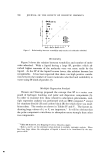
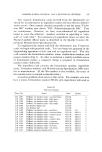
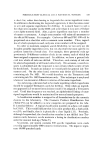
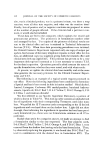
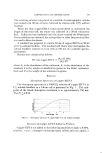
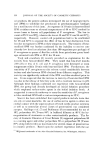
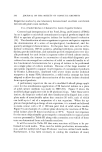
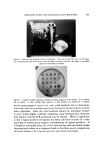
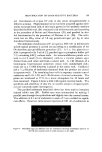
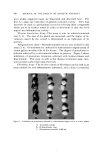
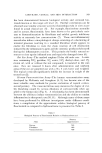
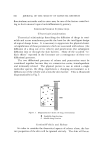
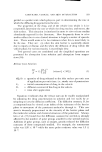
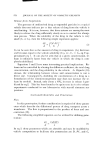
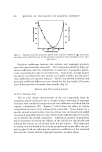
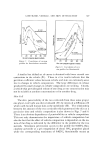
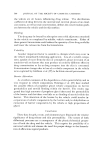
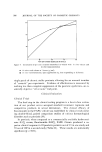
568 JOURNAL OF I'HE SOCIETY OF COSMETIC CHEMISTS most widely employed assays are illustrated and described here. The first two assays are indicative of general corticoid activity. They may therefore be used as a preliminary screen for selecting those compounds which are to be further tested in order to determine if they also have topical anti-inflammatory activity. Thyroids Involutio•t Assay--This assay is run on adrenalectomized rats (3, 4). The sizes of the glands are measured, and the degree of in- volution caused by the steroid is determined as an indication of its potency. Antigranulo.ma Assay--Adrenalectomized rats are also utilized in this assay (3, 4). Granulomas are induced by subcutaneous implantation of cotton pellets on either side of the thorax. The degree of granuloma in- hibition achieved by a corticosteroid reflects its potency. Figure 3 shmvs inhibition of granuloma formati.on achieved with hydrocortisone and fluocinonide. This assay, as well as the thymus involution assay, mea- sures systemic rather than topical activity. Fibroblast Assay--The in vitro culture of fibroblasts can be used as an assay method for anti-inflammatory substances, and a direct correlation Figure 3. Inhibition of granulomas induced by subcutaneous implantation of cotton pellets A. Untreated controls B. Hydrocortisone, 1 mg C. Fluocinolone acetonide, 0.002 mg
Purchased for the exclusive use of nofirst nolast (unknown)
From: SCC Media Library & Resource Center (library.scconline.org)