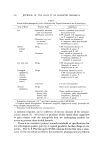
CORTICOII), VEHICLE, AND SKIN INTERACTION 571 Hydration--The drug, by direct or indirect action, could influence the hydration sta,te of the skin which dramatically increases .the per- meability of the skin. A few steroids, such as estrogens and pregneno- lone, have been reported to produce a beneficial effect on aging skin by hydrating the skin. Circttlatory Changes--Tregear (12) has concluded that changes in the cutaneous circulation should have little effect on penetration unless the flow of drug is drastically reduced. The large area of capillary bed availabl.e (1-2 cm2/cm 2 of skin in man) should insure prompt removal if all the capillaries are open. The possibility does exist, however, that agents, such as corticoids, which are potent vasoconstricting agents when applied topically, may slow •their own rate of clearance from the skin. I.ogically, such agents could similarly affect concomitantly administered drugs. Substantivity--When the complex chemical nature of skin is con- sidered, it comes as no surprise that many substances appear to interact strongly with it. These interactions range from weak physical attraction of the van der' Waals type to chemical reactions producing strong chemi- cal bonds. The existence in the skin of a depot or reservoir for topical corticoids has been demonstrated using the return of vasoconstriction after occlusion as a physiological marker. The reservoir was resistant to washing and lasted for up to 16 days (13). Metabolism--In spite of the accessibility of the skin relative to other body organs, very little is known about the metabolism of most drugs by the skin. Fortunately, some studies of hydrocortisone metabolism have been carried out (14). Berliner (5) has made an extensive study on the biotransformation of steroids, especially corticoids, at the target cell level. It was found, in general, that a particular cell type transforms asteroid me!ecule in its own unique way, both quantitatively and quali- tatively. In the case of inflammatory processes, the target cell in ques-. tion is the fibroblast, which is well known to participate very actively in the inflammatory reaction. Tissue culture fibroblasts grown in the presence of fluocinolone acetonide for a 48-hour period are unable to metabolize this steroid, whereas cortisol is metabolized very actively during this same period of time and hence loses its anti-inflammatory ac- tivity. Studies carried out in our own laboratories (15] have also shown that whereas hydrocortisone is rapidly metabolized by rat skin, fluocinolone acetonide and its esters are not, although the esters are hydrolv7ed to yield the parent compound. This inability of the skin to metabolize

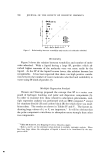
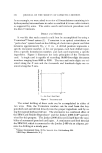
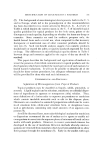
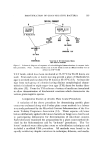
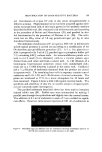
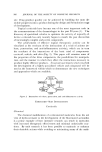
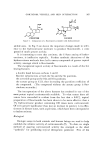
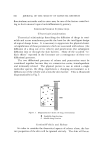
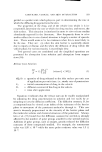
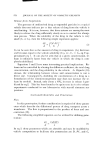
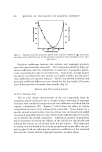
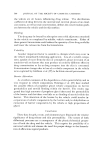
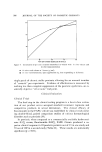
572 JOURNAL OF THE SOCIETY OF COSMETIC CHEMISTS fiuocinolone aceton[de and its esters may be one of the factors contribut- ing to their unusual topical anti-inflammatory potency. CORTICOID-VEHICLE INTERACTIONS Theoretical Considerations Theoretical relationships describing the diffusion o[ drugs in semi- solids and across membranes provide the basis for the intelligent design of topical dosage forms. It is necessary to appreciate the physical-chemi- cal significance of those parameters which are associated with release (the diffusion of a drug out of its vehicle) and penetration (the subsequent diffusion into or through the skin barrier). Many of the so-called "ve- hicle effects" reported in the literature are a consequence ooe these two diffusional processes. The ,two diffusional processes of release and penetration must be considered together because they are consecutive events, interdependent and intimately related. The physical picture is one in which a single molecular species, the drug, experiences a changing environment as it diffuses out of the vehicle and across the skin barrier. This is illustrated diagramat[tally in Fig. 5. BARRIER VEHICLE ß ß O-- O O O O O-•- O O ß ß o ß • I•O SINK Figure 5. Diagrammatical sketch of drug environment ß Insoluble drug fraction 0 Soluble drug fraction Corticoid-Vehicle and Release In order to consider the theoretical aspects of release alone, the bar- rier properties of the skin will be ignored entirely. The skin will be re-
Purchased for the exclusive use of nofirst nolast (unknown)
From: SCC Media Library & Resource Center (library.scconline.org)