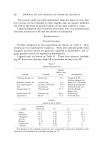
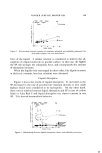
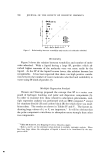
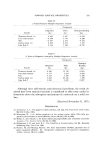
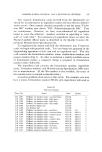
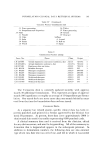
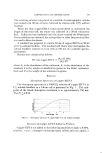
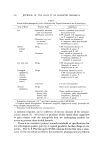
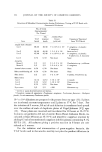
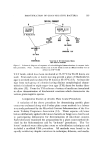
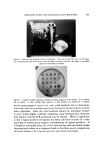
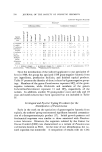
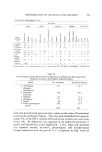
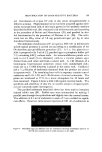
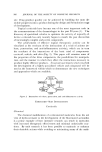
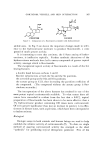
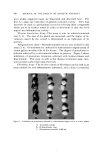
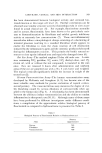
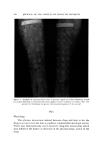
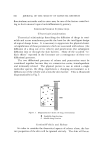
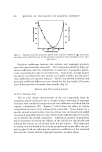
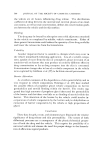
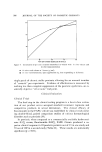
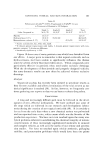
CORTICOID, VEHICLE, AND SKIN INTERACTION 569 has been demonstrated between biological activity and corticoid bio- transformation at this target cell level (5). Further correlations can be obtained since similar structure activity relationships exist in vitro as are found in actual clinical use (6). For example, fiuocinolone acetonide and i, ts acetate, fiuocinonide, have been shown to be particularly resis- tant to biotransformati.on by fibroblasts and exhibit growth inhibitory activity at extremely low concentrations (7). These anti-inflammatory steroids also induce a morphological change consisting of a shortening ot• terminal processes resulting in a rounded fibroblast which appears to enable the fibroblast .to resist the chain reaction of cell destruction initiated by the inflammatory agent and the cytotoxic products elaborated during the inflammatory reaction. This permi½s the body's natural re- sources to clear up the inflamed area and repair the damaged tissue (6). Rat Ear Assay--The method employs 21-day old male rats. A mix- ture containing 20% pyridine, 5% water, 74% diethyl ether, and 1% croton oil, with or without the test compound, is inuncted to the ears once. Ears are removed 6 hours after administration and uniform areas of the ear are punched out with a No. 4 cork borer and weighed. The topical corticoids significantly inhibit the increase in weight of the treated ear (2). Human Vasoconstriction Assay--The human vasoconstriction assay, developed by McKenzie and Stoughton (8, 9), has become one of the most valuable assay methods for precise evaluation of topical cor'tico- steroid potency. The vasoconstri,ction assay measures the degree of visi- ble blanching caused by various dilutions of corticosteroids when ap- plied to the human skin (Fig. 4). A relationship has been demonstrated between the ability to induce vasoconstriction and the ability .to combat inflammation in therapeutic use (10, 11). Although many of these assays have been performed by different investiga,tors under different condi- tions, a compilation of the approximate relative biological potency ot• fluocinonide as compared to hydrocortisone is presented in Table I. Table I Biological Potency of Fluocinonide Relative to Hydrocortisone as 1 Potency Assay (approximate) Rat ear 350 Fibroblast 440 Vasoconstriction 400

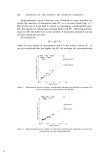
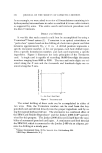
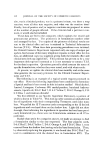
57O JOURNAL OF THE SOCIETY OF COSMETIC CHEMISTS Figure 4. Example of vasoconstriction assay to measure degree of evident blanching caused by various dilutions of corticosteroids when applied (under occlusion) to human skin. The greater the bianchirig, the greater the theoretical potency of the steroid Skin Physiology The obvious interaction desired between drug and skin is for the drug to act on (or in) the skin to produce a desired pharmacologic action. There may simultaneously occur, however, drug-skin interactions which may influence the degree or duration of the pharmacologic action of the drug.
Purchased for the exclusive use of nofirst nolast (unknown)
From: SCC Media Library & Resource Center (library.scconline.org)