.L Soc. Cosmet. Chem., 23, 565-590 (August 17, 1972) Corticoid, Vehicle, and Skin Interaction in Percutaneous Absorption MARTIN KATZ, D.Sc., and BOYD J. POULSEN, Ph.D.* Presented December 1-2, 1970, New Yorh City Synopsis--The PERCUTANEOUS ABSORPTION of a drug applied to the skin surface is influenced by INTERACTION between the DRUG, the VEHICLE, and the SKIN. A sys- tematic procedure has been de,•eloped for evaluating the physical-chemical properties of a topical CORTICOID and for custoln-tai]oring a vehicle to its requirements. A series of in vitro and in vivo tests is used for further screening and evaluation of vehicle efficacy and drug ,availability. The goal has been the design of a dosage form which not only has good physical stability and patient acceptability, but which also provides the optimum environment for the release of the corticoid from the vehicle and its penetration through the skin barrier. A case history is presented to illustrate the utility of such an approach. INTRODUCTION Topical therapy provides a unique opportunity to deliver drugs directly to the disease site, in high concentration, with minimal potential for the provocation of systemic side effects. Frequently, the percutane- ous absorption of a drug is a singularly inefficient process. The goal of the topical formulator should be to design a dosage form which not only has good physical and chemical stability, cosmetic acceptability, etc., but also provides the optimum environment for the painstakingly synthe- sized active ingredient in terms of its ability to reach the intended target * Institute of Pharmaceutical Sciences, Syntex Research, Stanford Industrial Park, Palo Alto, Calif. 94301. 565

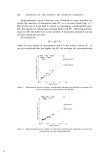
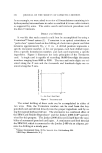
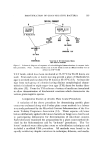
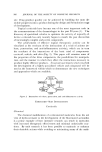
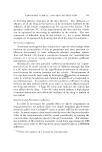
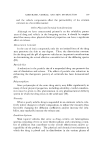
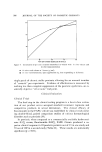
566 JOURNAL OF THE SOCIETY OF COSMETIC CHEMISTS site. Drug product quality can be achieved by building the most de- sirable properties into a product during the design and formulation stage of development. Topical corticoids have become one of the most important tools in the armamentarium of the dermatologist in the past 20 years (1). The discovery of specialized vehicles to optimize the activity of topically ef- fective corticoids has only recently begun to match the past discoveries o[ increasingly complex and potent compounds. The achievement of effective topical therapeutic activity can be visualized as the resultant of the interactions of a triad o[ actions (re- lease, penetration, and anti-inflammatory activity), which are in turn the resultant of the interactions o• the basic triad o• components: corticoid, vehicle, and skin (Fig. 1). This paper will examine some of the properties of the three components, the possibilities for manipula- tion, and the manner in which they affect the interactions necessary to produce highly effective products. An actual case history which involved the development of a highly specialized vehicle and compound will be used as the framework within which to demonstrate the new techniques and approaches which are available. ACTIVITY .j Figure 1. Interactions of release, penetration, and anti-inflammatory activity CORTICOIDS--SKIN INTERACTIONS Corticoids Chemical The chemical modification of corticosteroid molecules from the ad- vent of hydrocortisone to the development of the fiuorinated acetonides is a prime example of how intensive research can result in molecules with increased therapeutic effectiveness and minimal undesirable reac- tions. By such research it has been possible to maintain or enhance their desirable actions while avoiding or minimizing many of the unde-
Purchased for the exclusive use of nofirst nolast (unknown)
From: SCC Media Library & Resource Center (library.scconline.org)