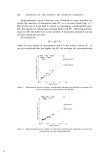
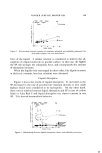
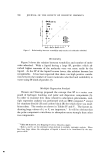
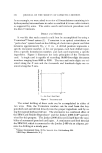
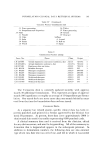
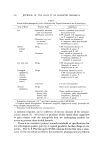
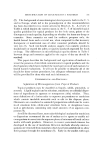
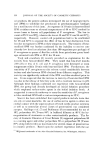
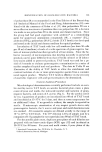
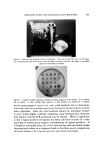
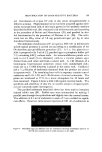
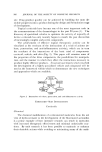
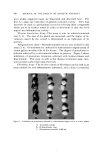
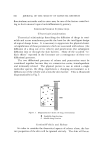
IDENTIFICATION OF GRAM-NEGATIVE BACTERIA 561 oil. Inoculation of at least 107 cells of this strain intraperitoneally is letk. al to a mouse. Hyperimmune serum has been prepared against endo- toxins extracted from cells of this strain grown in the synthetic medium described by Ribi et al. (24), extracted with trichloroacetic acid according to the procedure of Boivin and Mesrobeanu (25), and purified by alco- hol fractionation by the procedure of Webster et al. ('26). The endo- toxin has an LD99 value of 3.6 mg protein-nitrogen per kg in mice inoculated intravenously. The detection of endotoxin of P. aeruginosa DM-1167 in deliberately spiked topical products is carried out according to a modification of the Ouchterlony agar gel diffusion procedure (27). A 3 •( l-in. glass micro- slide is prepared with 3 ml ot• 1% purified agar in phosphate buffer (plq 7.1) containing 0.04% sodium azide. An immunodiffusion punch set is used to cut 6 sinall (1/•-in. diameter) wells in a circular pattern equi- distant froin each other and from a center well. A 1:64 dilution of a homologous hyperimmune antiserum (reacts with standardized endo- toxin out to a 1: 1024 dilution) is placed in the center well. Undiluted and a 1/10 dilution of endotoxin extracted from the product are placed in separate wells. The remaining four wells in sequence contain control endotoxin and 1:10, 1:20, and 1:40 dilutions of control endotoxin. The plates are incubated at 37øC in a moist atmosphere for 48 hours and then examined. Figure 4 shows a slide with typical reaction bands. The specificity and sensitivity of this test on market samples of topical prod- ucts are currently under investigation. The purified endotoxin described above has been used to inoculate injured rabbit eyes (28). Rabbit eyes were traumatized by making 3 parallel cuts through the epithelium and slightly into the corneal stroma. The addition of 0.1 ml of endotoxin to each of 3 eyes yielded no signifi- cant effects. However, intracorneal injection of 0.01 ml of endotoxin in ¸ ¸ ¸ ¸ O/ Figure 4. Microslide agar gel diffusion test for endotoxins showing homologous pattern on the left and concentration of crude reactants on the righ. t

562 JOURNAL OF THE SOCIETY OF COSMETIC CHEMISTS 3 separate rabbits produced a typical Pseudomonas keratitis syndrome. The development of the keratitis was much slower than that achieved with inoculations ot viable P. aeruginosa cells. Intradermal injection of rabbits with 0.1 ml of Pseudo.rnonas endotoxin produced erythema and edema in 24 hours, but no subsequent skin necrosis was noted. Purified endotoxins have also been prepared from cells of Pseu- domonas putida, Pseudorn, onas fluorescens, and Alcaligenes faecalis. Ge- neric specificity has been demonstrated for these preparations through Ouchterlony agar-gel diffusion procedures with homologous hyperim- mune sera as described above. The Schwartzman phenomenon was demonstrated when these purified endotoxins were incorporated into topical products and then placed on rabbit skin (29). These preliminary animal studies suggest that these endotoxins are potent allergens. CONCLUSION Even if industrial microbiologists are slow to adapt the diagnostic techniques currently in use in clinical laboratories, the responsibility for public health held by certain regulatory agencies will require the rou- tine isolation and characterization of objectionable species by these gov- ernmental groups. This paper has briefly reviewed the use of hyper- immune typing sera, pyocine typing, endotoxin determinations, and occasional animal pathogenicity studies as additional tools that are help- ful in the evaluation of health hazard from specific contaminants. The microbiological laboratories of public health regulatory agencies are al- ready looking forward to the eventual development of automated meth- ods both to screen products for objectionable microbial contamination and to speciate the contaminants for health hazard evaluation. Further- more, tests are under development which could routinely indicate the previous microbiological history of a product in that the by-products of dead microorganisms would be detected. If a manufacturer operates with good manufacturing procedures, employs sufficient control tests during manufacturing operations, preserves his product so that it will tolerate significant consumer abuse, and performs finished product tests as to the types and numbers of specific organisms contaminating his product, then public outcries and concern over the microbiological qual- ity of topical products will be at a minimum. (Received January 4, 1972)
Purchased for the exclusive use of nofirst nolast (unknown)
From: SCC Media Library & Resource Center (library.scconline.org)