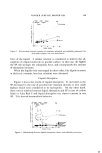
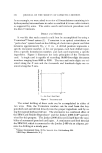
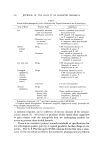
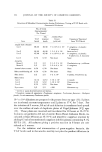
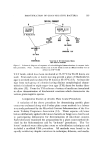
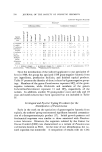
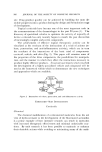
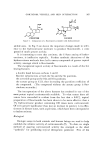
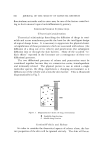
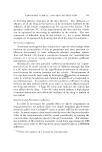
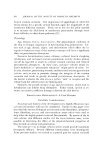
566 JOURNAL OF THE SOCIETY OF COSMETIC CHEMISTS site. Drug product quality can be achieved by building the most de- sirable properties into a product during the design and formulation stage of development. Topical corticoids have become one of the most important tools in the armamentarium of the dermatologist in the past 20 years (1). The discovery of specialized vehicles to optimize the activity of topically ef- fective corticoids has only recently begun to match the past discoveries o[ increasingly complex and potent compounds. The achievement of effective topical therapeutic activity can be visualized as the resultant of the interactions of a triad o[ actions (re- lease, penetration, and anti-inflammatory activity), which are in turn the resultant of the interactions o• the basic triad o• components: corticoid, vehicle, and skin (Fig. 1). This paper will examine some of the properties of the three components, the possibilities for manipula- tion, and the manner in which they affect the interactions necessary to produce highly effective products. An actual case history which involved the development of a highly specialized vehicle and compound will be used as the framework within which to demonstrate the new techniques and approaches which are available. ACTIVITY .j Figure 1. Interactions of release, penetration, and anti-inflammatory activity CORTICOIDS--SKIN INTERACTIONS Corticoids Chemical The chemical modification of corticosteroid molecules from the ad- vent of hydrocortisone to the development of the fiuorinated acetonides is a prime example of how intensive research can result in molecules with increased therapeutic effectiveness and minimal undesirable reac- tions. By such research it has been possible to maintain or enhance their desirable actions while avoiding or minimizing many of the unde-

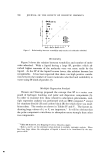
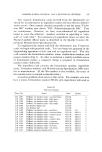
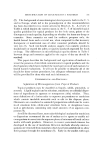
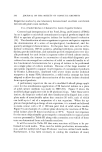
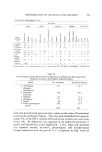
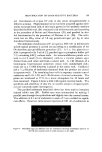
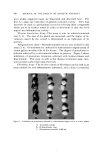
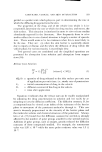
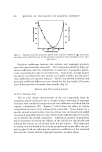
CORTICOID, VEHICLE, AND SKIN INTERACTION 567 Figure 2. Comparison of a fluorinated acetonide with hydrocortisone sirable ones. In Fig. 2 are shown the important changes made in refer- ence to the hydrocortisone molecule to produce fluocinonide, a com- pound of much greater activity. It is interesting to note that cortisone, the 11-keto analog of hydro- cortisone, is ineffective topically. Further synthetic alterations of the hydrocortisone molecule have led to many compounds of greater topical activity, amongst which is fluocinonide. The exceptional topical activity of fluocinonide is a result of the fol- lowing features: a double bond between carbons 1 and 2, fluorine substitutions at both the 6o• and the 9o• positions, the acetonide group at the 16a and 17a positions, the acetate group at C-21, thus increasing the partition coefficient of the compound. (The compound without the acetate group is fluo- cinolone acetonide.) The incorporation of the above features has resulted in one of the most potent topical corticosteroids available. To what extent these ad- vances have succeeded is evident from the fact that a 0.01% topical preparation of fluocinonide has been shown to be more effective than a 1% hydrocortisone product containing 100 times more corticosteroid. Of even greater significance than just an increase in potency is its effec.• riveness in disease states, such as psoriasis, which have been unresponsive to hydrocortisone. Biological Biologic assays in both animals and human beings are used to help establish the relative activity of corticosteroids (2). To date, no single method of assaying corticosteroid activity has emerged as the ideal "yardstick" for predicting topical therapeutic potential. Five of the
Purchased for the exclusive use of nofirst nolast (unknown)
From: SCC Media Library & Resource Center (library.scconline.org)