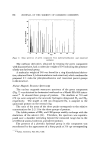
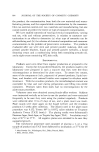
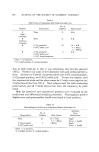
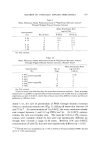
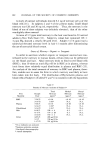
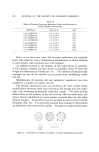
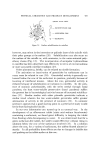
870 JOURNAL OF THE SOCIETY OF COSMETIC CHEMISTS Table VII Microbiological Profile of an Oil-in-Water Nonionic Emulsion Cream Face Cleanser after Use Plate Cotrot a Isolation From Enrichment a No. of Upon After 3 Upon After 3 Preservative Subjects collection months collection months None 5 1-3 = N.R. N.R. N.R. N.R. 4 = N.R. N.R. Gram q- bacilli N.R. 5 -- N.R. N.R. Staph N.R. 0.3% Preservatol 5 N.R. N.R. N.R. N.R. • N.R. = no recovery. 0.3• Preservatol©. * Interestingly, the used unpreserved facial cleanser (Table VII) showed a negative plate count upon collection and only two units had microorganisms recoverable by enrichment. After 3 months, we were not able to repeat this recovery. The used preserved units showed negative plate counts and no recovery upon enrichment. Laboratory inoculation studies with this unpreserved facial cleanser cream showed the formula to be very resistant to microbial growth. The moisture lotion was also nonionic and an oil-in-water emulsion. The pH was 7.0. It had total oil content of 10%, one third of which was avocado oil. The preservative was 0.2% Dowicil 200©.t Results are shown in Table VIII. The unpreserved product was very susceptible to microbial contamination. Pseudomonas, Sarcina, and yeasts were re- covered from used units. Ultimately, all used unpreserved samples were very odorous and unacceptable. However, the used preserved sample was adequately protected. The night cream was a nonionic, oil-in-water emulsion containing 45% oil. The pH was 6.9. It contained 10% of fluid skim milk. The preservatives were 0.2% methyl and 0.1% propyl paraben and 0.01% Bronopol ©. { Table IX shows the results. Three of the 5 used samples had no plate count even 3 months after use. Two were lightly con- taminated with staphylococci, mold, and gram-positive bacilli. One sample showed a higher count upon collection and in 3 months was populated with staphylococci, coliform, and yeast. The use preserved units were adequately protected. * Van Dyk and Co., Belleville, N.J. t Dow Chemical Co., Midland, Mich. :• Boots Pure Drug Co., Nottingham, England.

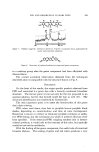
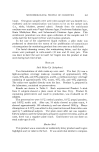
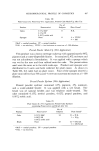
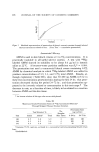
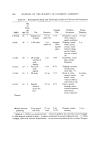
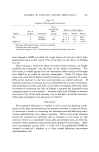
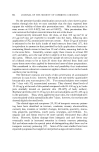
MICROBIOLOGICAL PROFILE OF COSMETICS Table VIII Microbiological Profile on an Oil-in-Water Nonionic Moisture Lotion after Use 871 Plate Count" Isolation From Enrichment" No. of Upon After 3 Upon After 3 Preservative Subjects collection months collection months None 6 I = 1000/g Mold over growth 2 -- 150/g 40/g 3, 4, 5 = TNTC TNTC 6 = TNTC TNTC 0.2% Dowicil 5 N.R. N.R. Staph b Mold Staph Gram -- rods sarcina Gram + bacilli Yeasts, staph, gram -- rods Yeasts, Ps c Ps, gram -- rods N.R. N.R. "N.R. = no recovery TNTC = too numerous to count. b Coagulase-positive. • Pseudomonas aeruginosa. Table IX Microbiological Profile of an Oil-in-Water Nonionic Night Cream Containing 10% Fresh Skim Milk after Use Preservative" Plate Count * Isolation From Enrichment • No. of Upon After 3 Upon After 3 Subjects collection months collection months None 0.2% MeP 0.1% PP 0.01% Bronopol 5 1 = 30/g 20/g Staph Mold, gram+ bacilli 2-3 = N.R. N.R. N.R. N.R. 4 = N.R. N.R. Staph N.R. 5 = 800/g TNTC Staph, Staph, coliform, coliform, yeasts yeasts 5 N.R. N.R. N.R. N.R. "MeP = methyl paraben PP = propyl paraben. * N.R. = no recovery TNTC = too numerous to count. DISCUSSION OF RESULTS Anhydrous stick make-ups such as those used in this sludy, while not hostile to microorganisms, do not provide an environment which permits proliferation. These products, other anhydrous products, and
Purchased for the exclusive use of nofirst nolast (unknown)
From: SCC Media Library & Resource Center (library.scconline.org)