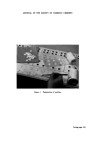
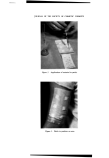
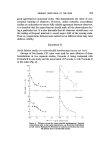
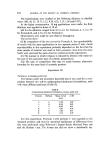
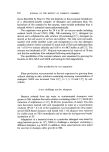
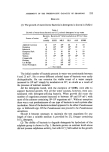
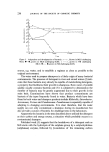
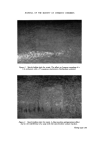
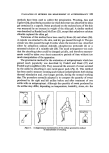
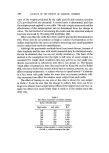
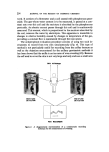
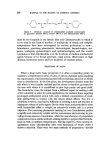
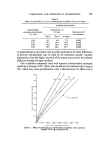
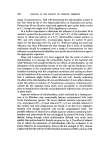
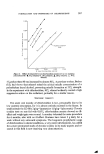
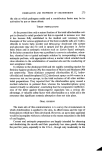
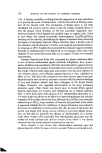
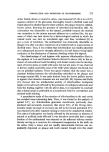
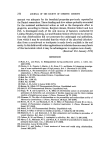
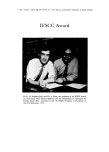
JOURNAL OF THE SOCIETY OF COSMETIC CHEMISTS Figure 2. Application of material to patch. Figure 3. Patch in position on arm.

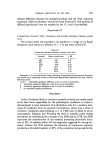
PRIMARY IRRITATION OF THE SKIN 22l used for testing. Neither the subjects nor the observers are aware of the identity of the test materials applied to particular areas of the skin. Patching procedure Using a disposable syringe of I ml capacity fitted with a size 0 hypo- dermic needle, 0.05 ml of test material is transferred to the lint square (Fig. 2). A maximum of six materials can be tested simultaneously on a patch 750 x 140 mm. The patch is placed in contact with the skin and remains there for 5 h. At the end of this time, the positioning of the corners of the patch is marked either with 0.5•o aqueous crystal violet or with dihydroxy- acetone to ensure precise relocation of the test site on subsequent days. The patch is then removed and the site is swabbed with warm water to remove any residual test material. 1 h later the test sites are assessed for irritation by a panel of three observers who record their scoring in- dependently. The interval between removal of patches and assessment helps to ensure that assessment will not be influenced by wrinkling or reddening due to the adhesive tape or to the process of removing it from the skin. This procedure is followed on 5 successive days. Assessment of irritation Assessment is carried out under standardized diffuse lighting conditions*, according to the following scoring system: 0 = No visible redness. 1 2 --• Slight redness. 3 4 = Distinct redness. 5 6 = Strong reaction (possibly some oedema). 7 8 := Very strong reaction (with blistering). The mean of the scores awarded by the three observers is taken as the daily score for a test material. If any material yields a score of 5 or more on a particular day of the test, patching of this material is not repeated on subsequent days. On the remaining 'no patch' days, the maximum score of 8 is awarded to the test material. *Koto-rite fluorescent tubes ex Mazda Lamps, England.
Purchased for the exclusive use of nofirst nolast (unknown)
From: SCC Media Library & Resource Center (library.scconline.org)