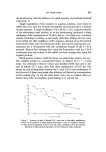
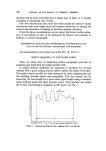
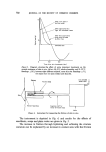
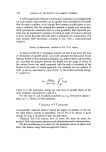
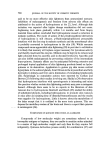
702 JOURNAL OF THE SOCIETY OF COSMETIC CHEMISTS After I min soak Jn J•(• \ After application of a •/•'light' skin emollient cream '• J \ \ After :30 s wash with a • J \ \ /toilet soap, followed m Untreated skin I, 0 30 60 Time after skin ireatments (min) Figure 3. Diagram showing the effect of some important treatments on the scratch resistance of skin in vivo. All at: 50-55 Yo relative humidity and 21-22øC. Readings 4-25 % between eight different subjects, same skin site. Readings -4-7 % for repeat runs on same subject and skin site. Keyway head Friction head face Skim C I Coupling shaft for motor to friction head t Motor Figure 4. Instrument for measuring the friction of skin in vivo. A.C. variable power input The instrument is depicted in Fig. 4, and results for the effects of emollients, soaps and plain water are given in Fig. 5. The increase in friction through hydrating and softening the stratum corneum can be explained by an increase in contact area with the friction

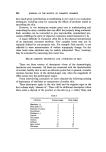
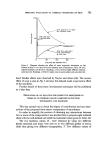
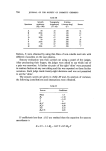
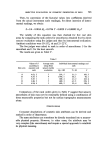
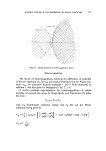
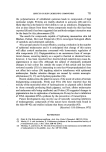
OBJECTIVE EVALUATION OF COSMETIC PROPERTIES OF SKIN 703 250 _After application of a 'light' .-. •skin emollient cream E Aft? I_..rn' • soak •. .c o 125 i•.•tilled water • II IJ •,/•'*'*'*"•' Untreated skin J / • After 30s wash witha I / •- toilet soap, followed / by 30s rinse I I I o 60 120 18o Time after skin treatment (rain) Figure $. Diagram showing the effect of some important treatments on the friction of skin in vivo. Start of curves indicates time of treatment. All at: 50-55% relative humidity and 20-22øC. Readings +25 • between eight different subjects, same skin site. Readings d- 10 % for repeat runs on same subject and same skin site. head. Similar effects were observed by Naylor and others (34). The reverse effect of soap is seen in Fig. 5 and also the delayed water evaporation effect of the emollient. Further details of these three instrumental techniques will be published at a later date. DERIVATION OF AN EQUATION FOR SUBJECTIVE SMOOTHNESS IN TERMS OF ITS PROBABLE MAJOR COMPONENTS FRICTION, TOPOGRAPHY AND HARDNESS This was carried out to check the degree of contribution and any inter- actions of the proposed three major components of smoothness. In order to simplify the process of obtaining any interactions between two or more of the components it was decided first to prepare eight artificial skins with the well-defined and stable instrumental values given in Table III. The two hardness values, H, were obtained by using two different plastic materials and these were cast on to two different grades of emery cloth thus giving two different topographies, T. Two different values of
Purchased for the exclusive use of nofirst nolast (unknown)
From: SCC Media Library & Resource Center (library.scconline.org)