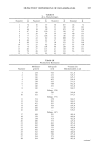
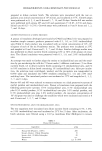
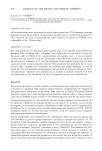
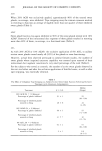
IMIDAZOLIDINYL UREA RESISTANT PSEUDOMONAS 415 prepared in dilute nutrient broth. The solutions were inoculated with the test or- ganisms at an initial concentration of 105 cfu/ml, and incubated at 35øC. Growth assays were performed at 0, 2, 4, and 6 hrs and 1, 7, 14, and 28 days. Similar kill rate studies were performed with strains 495 and 445 and quaternium 15 (0.05-0.5%) and diazo- lidinyl urea (0.025-0.25%). Growth assays were performed at 0 and 4 hours and 1, 2, 7, and 14 days. GROWTH PATTERNS IN A SIMPLE EMULSION A peanut oil emulsion developed previously by O'Neill and Mead (12) was prepared to simulate simple cosmetic products preserved with 0.5, 1.0, or 2.0% imidazolidinyl urea (Table I). Each product was inoculated with an initial concentration of 10 4- 10 5 cfu/gram of each of the six Psezidomonas strains. The products were incubated at 25øC and sampled at 0 and 4 hours and 1, 2, 7, and 14 days. Similar challenge studies were also performed in dilute nutrient broth containing 10% or 30% of the peanut oil emul- sion. The diluted emulsions were preserved with 0.5, 1.0, and 2.0% imidazolidinyl urea. An attempt was made to further adapt the strains to imidazolidinyl urea and the emul- sion by pre-incubating the cells for 72 hours under 3 different conditions: (1) in dilute nutrient broth, (2) in dilute nutrient broth containing 1% imidazolidinyl urea, and (3) in 10% emulsion in dilute broth containing 1% imidazolidinyl urea. After pre-incuba- tion, the solutions were centrifuged, washed, and the precipitate was resuspended in 0.85% saline and inoculated into 100% emulsion containing 0.5, 1.0, and 2.0% imid- azolidinyl urea. The inoculated product was incubated at 25øC and sampled at 0, 1, 2, 3, 7, and 14 days. Strains 445 and 495 were selected to measure resistance to a dual preservative system of methyl paraben and imidazolidinyl urea. Peanut oil emulsions were prepared with the following preservative systems: 0.5% imidazolidinyl urea, 0.5% imidazolidinyl urea plus 0.3% methyl paraben, 0.5% imidazolidinyl urea plus 1.0% methyl paraben, and 0.5% imidazolidinyl urea plus 2.0% methyl paraben. An inoculum concentration of 105 cfu/gram was used to challenge the emulsions which were incubated and tested at 0 and 4 hours and 1, 2, 7, and 14 days. SPECTROPHOTOMETRIC ASSAY FOR IMIDAZOLIDINYL UREA The test organisms were inoculated into dilute nutrient broth containing 0.5%, 1.0%, or 2.0% imidazolidinyl urea and incubated at 25øC for 21 days. After incubation, the broth solutions were filtered using a 0.22 p, membrane filter (Millipore) to remove Table I Peanut Oil Emulsion Ingredient g/kg Peanut Oil (Planters', 100%) 200 Stearyl Alcohol, 2 Mole Ethoxylate 15 Stearic Acid, 20 Mole Ethoxylate 20 Preservative q.s. Water q.s. to 1000

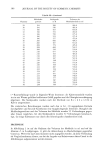
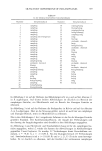
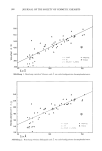
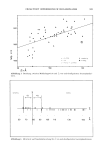
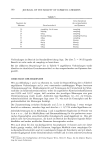
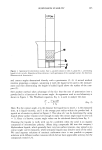
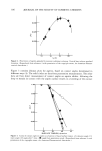
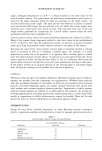
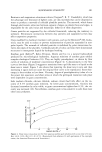
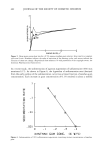
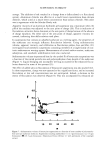
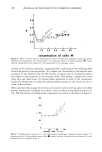
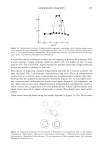
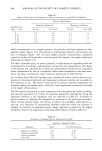
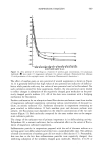
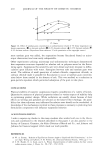
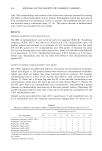
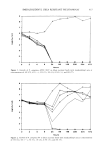
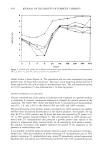
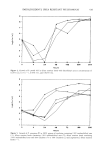
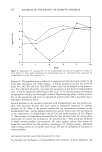
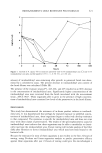
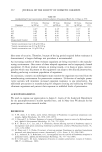
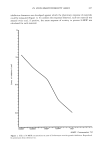
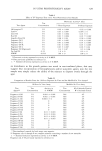
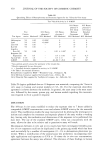
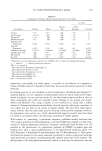
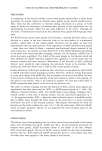
416 JOURNAL OF THE SOCIETY OF COSMETIC CHEMISTS cells. The imidazolidinyl urea content of the flitrate was indirectly estimated by heating the broth in dilute hydrochloric acid to produce formaldehyde which was then reacted with acetylacetone and ammonium acetate to produce diacetyldihydroluitidine which was detected using a colorimetric assay (13,14). The percent decrease in imidazolidinyl urea content was calculated for each sample. RESULTS MINIMUM INHIBITORY CONCENTRATION (MIC) The MIC of imidazolidinyl urea varied for each test organism (Table II). Pseudomonas aeruginosa (ATCC 9027) was effectively killed by 0.25% imidazolidinyl urea. All product isolates were resistant to a minimum of 2.0% imidazolidinyl urea, but strain 495 and RC survived in 5% imidazolidinyl urea. The pattern of resistance for strain 495 was not demonstrated with other preservatives. Strain 495 was effectively killed by 0.1% quaternium 15, 0.1% chlorhexidine gluconate, 0.05% formalin, or 0.2% diazo- lidinyl urea. Diazolidinyl urea was ten times more effective than imidazolidinyl urea against 495. GROWTH PATTERNS IN IMIDAZOLIDINYL UREA BROTH The ATCC organism was effectively killed in 24 hours by all concentrations of imidazo- lidinyl urea (Figure 1). All product isolates were resistant to concentrations of imidazo- lidinyl urea which are higher than those normally found in cosmetics. For example, imidazolidinyl urea at a level of 6% was the only effective cidal concentration for P5 (Figure 2). There was a 24-hour lag time for P5 at the subcidal imidazolidinyl urea concentrations, while strain 495 had a lag time of only 6 hours (Figure 3). Strains 495 and RC grew well in all imidazolidinyl urea concentrations, demonstrating a greater tolerance to imidazolidinyl urea than any of the other product isolates. Organisms 445 and P6 remained viable for more than 7 days only in the solutions containing 0.5 % and 1.0% imidazolidinyl urea. Growth curves were plotted for strain 495 in quaternium 15 and diazolidinyl urea. At 0.1% diazolidinyl urea, the inoculum concentration dropped from 105 cfu/ml to 101 Table II Minimum Inhibitory Concentration (MIC) of Imidazolidinyl Urea for Pseudomonas Species at 35øC Imidazolidinyl urea (%) Test Organisms 8.0 7.0 6.0 5.0 4.0 2.0 1.0 0.5 0.25 Pseudomonas aeruginosa (ATCC 9027) .......... Pseudomonas aeruginosa (P5) .... + + + + + b Pseudomonas putida (P6) ..... + + + + Pseudomonas cepacia (445) ..... + + + + Pseudomonas putida (495) - - - + + + + + + Pseudomonas cepacia (RC) - - -- + + + + + + a Indicates no turbidity after a loopful of the test suspension was transferred to AOAC broth and incubated for 14 days. b Indicates turbidity in broth.
Purchased for the exclusive use of nofirst nolast (unknown)
From: SCC Media Library & Resource Center (library.scconline.org)