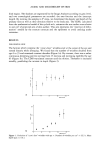
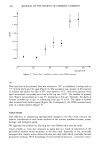
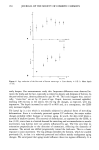
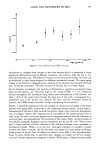
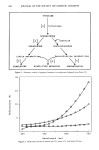
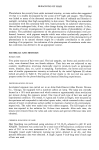
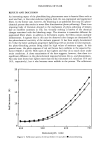
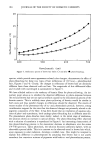
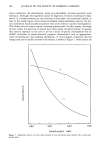
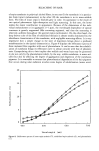
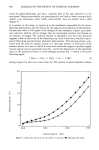
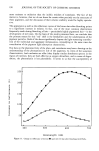
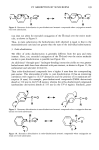
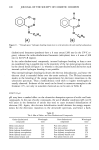
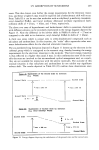
BLEACHING OF HAIR 185 lOO 75 50 2' l . 400 500 600 700 Uavelength (D_m) Figure5. Changeinrefiectanceofred(¸)andbrown(O)hairasaresultofphoto-bleaching. Absorbance on 6 hours w/• '61rrh• 'rl•iøn • i i I ! 300 400 500 600 700 Wavelength (nm) Figure 6. Changes in optical absorption spectra of solubilized sepia melanin induced by irradiation at 300 nm and pH 7.4.

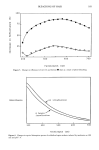
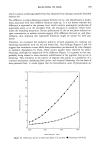
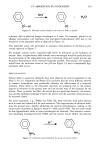
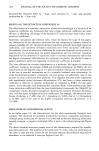
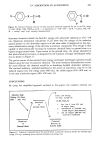
186 JOURNAL OF THE SOCIETY OF COSMETIC CHEMISTS Upon irradiation, the pheomelanin, being less photolabile, becomes spectrally more dominant. Although this hypothesis cannot be disproved, we favor an alternative expla- nation. It is worth pointing out that solutions of both pheo- and eumelanin exhibit, at least in the visible region, structureless and highly similar absorbance spectra. No dis- tinct absorbtion bands or peaks are present that can be linked to specific chromophores. This clearly does not restrict nature's coloring opportunities. On the contrary, the range of hues within the spectrum of natural hair colors seems virtually limitless. It appears that nature's approach to hair color is not by a choice of specific chromophores but by skillful utilization of physicochemical pigment characteristics such as aggregation, mode of distribution, and solubility (hydration). A vivid example of dramatic spectral change that can be readily attained with melanin is shown in Figure 7. Both spectra are ½) .Q o ii I I I I I I • 400 500 600 700 Wavelength (run) Figure 7. Absorbance spectra of intact sepia melanin (l) and solubilized sepia melanin (ll) in polyvinyl alcohol films.
Purchased for the exclusive use of nofirst nolast (unknown)
From: SCC Media Library & Resource Center (library.scconline.org)