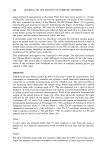
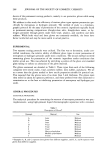
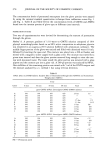
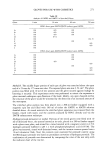
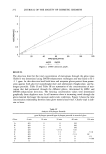
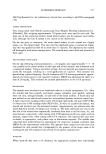
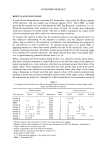
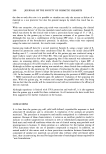
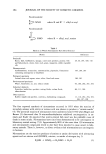
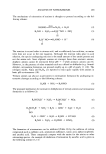
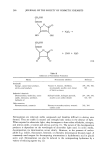
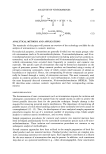
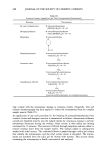
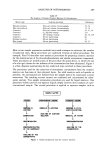
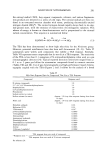
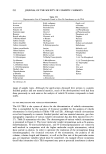
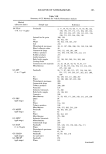
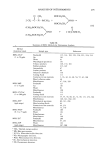
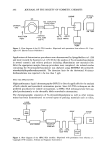
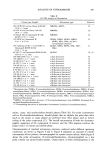
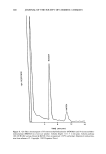
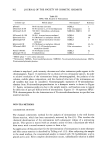
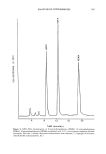
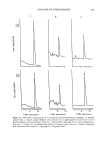
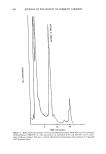
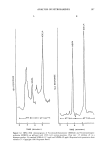
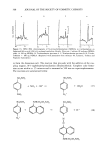
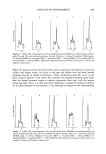
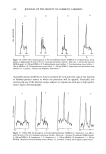
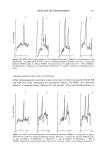
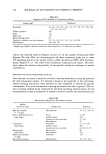
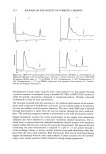
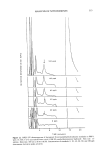
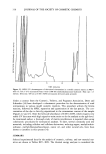
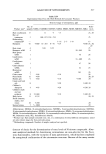
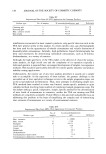
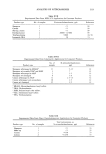
302 JOURNAL OF THE SOCIETY OF COSMETIC CHEMISTS Table XI HPLC-TEA Analysis of Nitrosamines Column type Mobile phase a Nitrosamine b Reference IxPorasil 40:60 Acetone-isooctane NDELA 1 LiChrosorb Si-60 50:50 Acetone-2,2,4-trimethylpentane Polar nitrosamines 16 LiChrosorb Si-60 700:300:1 Chloroform-cyclohexane- NMODA, NMTA 25 ethanol LiChrosorb Si- 100 50:50:1 Acetone-hexane-methanol NDELA 108 Spherisorb silica 4% Methanol in methylene chloride NDELA 48 IxBondapak-CN 80:10:5 Hexane-methylene-chloride- NDELA 1 methanol Spherisorb-CN 2% Methanol in methylene chloride NDELA 49-54 LiChrosorb-NH2 65:35 2,2,4-Trimethylpentane- Polar nitrosamines 16 methylene-chloride 50:50 Hexane-acetone Tetrahydrofuran Partisil 10-PAC NDELA 62 IxStyragel 50 nm NDELA 1 Mobile phase = (v/v) unless indicated. Nitrosamine: NDELA, N-nitrosodiethanolamine NMODA, N-nitrosomethyloctadecylamine NMTA, N-nitrosomethyltetradecylamine. column is employed, peak intensity decreases and other extraneous peaks appear in the chromatogram. Figure 11 represents the cooelution of two nitrosamine species. In order to achieve resolution of the nitrosamines being chromatographed, the polarity of the column, mobile phase composition, and the chemical structure of the nitrosamine are all variables that must be considered. Chromatographic separation of N-nitrosodiethan- olamine from N-nitrosodiisopropanolamine in a shampoo matrix is shown in Figure 12. Again, extraneous peaks are due to the sample matrix, and baseline noise is typical for detection of part per billion levels of nitrosamines. Figures 13-19 represent HPLC- TEA chromatograms for the determination of Nonitrosodiethanolamine in specified raw material matrices. NON-TEA METHODS COLORIMETRIC METHODS The classical colorimetric method for the analysis of nitrosamines is the well known Griess reaction, which has been extensively reviewed by Fox (31). This involves the chemical denitrosation of the nitrosamine with subsequent release of a nitrosating species. This species is reacted with an aromatic amine to form a diazonium salt which then reacts with a second aromatic system to form a dye. An application of this procedure for the determination of nitrosamines in some shampoo and skin cream matrices is described by Telling et al. (32). After subjecting the sample to the usual workup, the concentrated analyte is treated with 3% hydrobromic acid in glacial acetic acid. After complete denitrosation occurs, sulfanilamide solution is added

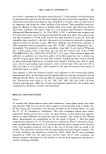
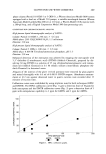
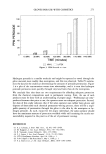
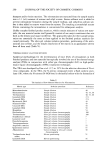
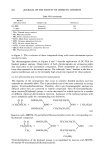
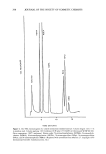
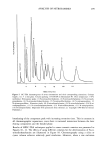
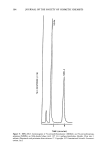
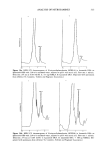
ANALYSIS OF NITROSAMINES 303 ILl c-• z i ( i 4 8 12 16 20 TIME (minutes) Figure 8. HPLC-TEA chromatogram of N-nitrosodipropylamine (NDPA), N-nitrosodiethylamine (NDEA), N-nitrosodimethylamine (NDMA) on IxPorasil with 76:23:1 (v/v/v) hexane-methylene chloride- acetonitrile. Flow rate: 1 ml/min. (Reprinted with permission from reference 27. Copyright 1979 Interna- tional Scientific Communications, Inc.)
Purchased for the exclusive use of nofirst nolast (unknown)
From: SCC Media Library & Resource Center (library.scconline.org)