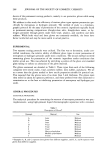
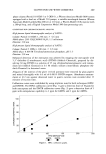
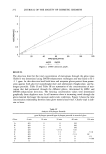
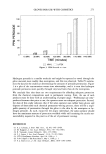
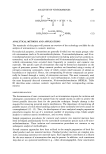
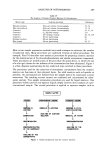
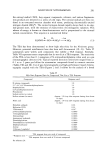
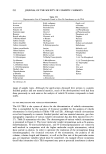
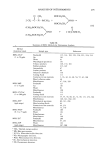
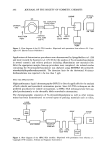
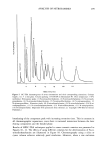
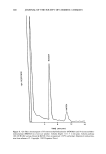
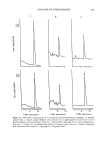
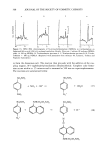
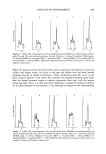
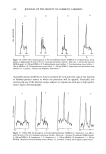
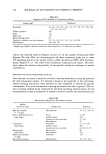
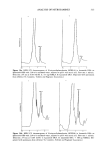
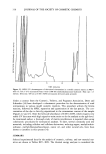
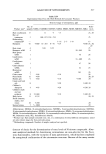
ANALYSIS OF NITROSAMINES 309 A B C D I,I E N O F 13 F O F 13 F O F ,'o o ,'o ,'o,,o Figure 14. HPLC-TEA chromatograms of N-nitrosodiethanolamine (NDELA) in alkanolamides on Spher- isorb-CN with 2:98 (v/v) methanol-methylene chloride. Flow rate: 2 ml/min (N indicates NDELA peak). A: 200 mg NDELA. B: Lauramide DEA. C: Lauramide DEA + 300 ng NDELA. D: Cocamide DEA. E: Cocamide DEA + 200 ng NDELA. (Reprinted with permission from reference 49, Cosmetic, Toiletry and Fragrance Association.) While the Griess reaction has been widely used to quantitate nitrosamines at part per million and higher levels, its utility at the part per billion level has been limited primarily because of matrix interferences. These interferences generally occur in the form of species present in the matrix that consume the released nitrosating agent faster than the desired aromatic amine or matrix components that react with the various Griess reactants. Thus, it is clear that when employing a nonspecific method of analysis for the determination of nitrosamines, a very thorough investigation and understanding A B N ol o F 10 10 10 1 10 Figure 15. HPLC-TEA chromatograms of N-nitrosodiethanolamine (NDELA) in monoethanolamine salt matrix on Spherisorb-CN with 2:98 (v/v) methanol-methylene chloride. Flow rate: 2 ml/min (N indicates NDELA peak). A: 200 ng NDELA. B: Cocamide MEA. C: Cocamide MEA + 200 ng NDELA. D: Lauramide MEA. E: Lauramide MEA q- 200 ng NDELA. (Reprinted with permission from reference 50, Cosmetic, Toiletry and Fragrance Association.)

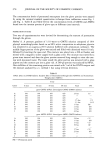
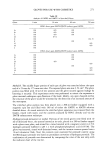
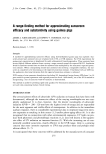
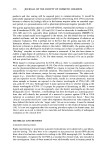
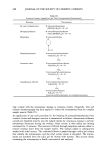
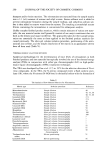
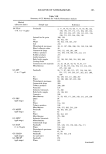
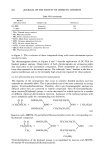
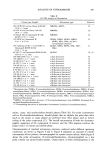
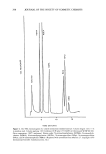
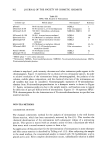
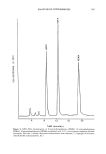
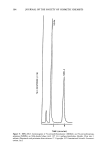
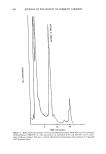
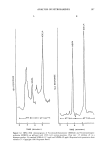
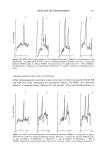
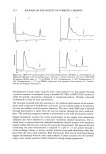
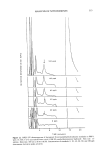
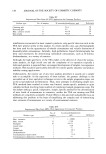
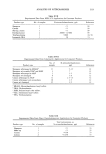
310 JOURNAL OF THE SOCIETY OF COSMETIC CHEMISTS A B C N 0 :F ! I 10 10 11o Figure 16. HPLC-TEA chromatograms of N-nitrosodiethanolamine (NDELA) in triethanolamine lauryl sulfate on Spherisorb-CN with 2:98 (v/v) methanol-methylene chloride. Flow rate: 2 ml/min (N indicates NDELA peak). A: 200 ng NDELA. B: Triethanolamine lauryl sulfate. C: Triethanolamine lauryl sulfate q- 100 ng NDELA. D: Triethanolamine lauryl sulfate q- 200 ng NDELA. (Reprinted with permission from reference 51, Cosmetic, Toiletry and Fragrance Association.) of possible matrix interferences must be initiated for each and every type of raw material or finished product matrix to which the procedure will be applied. Eventually this involves the use of the thermal energy analyzer in conjunction with gas or high-perfor- mance liquid chromatography. INJ N I•J ! 0 Figure 17. HPLC-TEA chromatograms of N-nitrosodiethanolamine (NDELA) in Amphoteric-1 on Spheri- sorb-CN with 2:98 (v/v) methanol-methylene chloride. Flow rate: 2 ml/min (N indicates NDELA peak). A: 200 ng NDELA. B: Amphoteric-1. C: Amphoteric-1 q- 100 ng NDELA. D: Amphoteric-1 q- 200 ng NDELA. (Reprinted with permission from reference 52, Cosmetic, Toiletry and Fragrance Association.)
Purchased for the exclusive use of nofirst nolast (unknown)
From: SCC Media Library & Resource Center (library.scconline.org)