j. Soc. Cosmet. Chem., 45, 269-277 (September/October 1994) Squamometry and corneosurfametry for rating interactions of cleansing products with stratum corneum G. E. PII•RARD, V. GOFFIN, and C. PII•RARD-FRANCHIMONT, Laboratory of Dermometrology, Department of Dermatopathology, University of Liege, CHU du Sart Tilman, B-4000 Liege, Belgium. Received February 24, 1994. Synopsis Interactions between cleansing products and human stratum corneum are complex and not fully understood. In this study we have compared data gained by two in vitro methods called squamometry (SQM) and corneosurfametry (CSM). These concern colorimetric measurements of human stratum corneum stained with basic fuchsin-toluidine blue solution (PMS) after contact of corneocytes with diluted solutions of cleansing agents. The interaction between surfactants and corneocytes induced alterations in the intensity of PMS staining of stratum corneum that were evaluated by color differentials DE*ab. The superficial stratum disjunctum response to surfactants, which is evaluated by SQM, was different from that of the mid-part of the stratum comeurn as evaluated by CSM. Both methods appear valuable and complementary in the comparison of human skin compatibility of personal care cleansing products. INTRODUCTION The interaction between surfactants and human stratum comeurn is not fully under- stood. Removal of various lipids, denaturation of proteins, swelling of corneocytes, alteration of the barrier function of the stratum corneum, and induction of "roughness" are among the best described effects (1). The surest method of testing skin compatibility of surface-active agents is by a large panel of volunteers. This, however, is costly and time-consuming. Several alternative methods have been proposed both in vivo and in vitro (2,3). The aim of this study was to revisit and compare observations made on human horny layer after contact with surfactants. We used two recently introduced evaluation meth- ods, called squamometry (4) and corneosurfametry (5). MATERIALS AND METHODS SQUAMOMETRY Preliminary study. Squamometry is a colorimetric evaluation of the amount of corneocytes 269

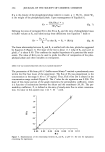
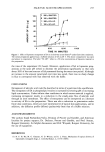
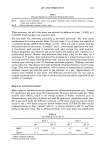
270 JOURNAL OF THE SOCIETY OF COSMETIC CHEMISTS collected by adhesive-coated disks. It was used in the past to study xerotic changes where corneocytes were not altered by chemicals (4). Due to alterations likely induced by surfactants on corneocytes, a preliminary study was undertaken to evaluate the corre- lation between two quantitative methods of evaluation of scale collections on adhesive disks. D-Squames © (Cuderm Corporation, Dallas, TX) were placed under standardized pres- sure (110 g/cm 2) and collected from the forearms of 25 individuals with normal or "sensitive" skin. They were placed on a red calibration plate (Minolta). Measurements of the color of the samples in the L*a*b* mode were made using a reflectance color- imeter (Chroma Meter © CR200, Minolta). A dry sample of D-Squames without stratum corneum served as reference. The presence of horny layer on D-Squames alters the values of colorimetry of the samples by light scattering and reflection. Color differentials were calculated between each sample and the reference material following dE*ab = [(dL*) 2 + (da*) 2 + (db*)2] •/2. Following these measurements, the same samples were stained with basic fuchsin-toluidine blue solution (Polychrome Multiple Stain © [PMS], Delasco, Council Bluffs, IA) for one minute. Color measurements were made after placing the samples on a white calibration plate (Minolta). A dry sample of D-Squames without stratum corneum, but stained with PMS, served as reference. The values of squamometry were expressed as the color differential, dE*ab, between each sample and the reference material. This evaluation will be refered to as the basic squamometry index (SQMI). Main study. Sixteen healthy Caucasian volunteers selected after data collected in the preliminary study entered a double-blind-within-subject comparison test. The protocol was a modification of the soap chamber test (2) consisting of 12 occlusive patches (19-mm Hill Top Chambers) applied three times for 30 minutes at two-hour intervals on the volar forearms (6). Test products were five soaps (So-A, So-B, So-C, So-D, So-E), four syndets (Sy-A, Sy-B, Sy-C, Sy-D), cocamidopropyl betaine (CAPB), polysorbate 20 (Tween 20), and sodium lauryl sulfate (SLS). Each product was used as a 2%-by-weight water solution. Another site was patched with tap water alone. Applications of 0.15 ml of solutions heated at 40øC were made using Hill Top Cham- bers in the morning of the test day. Thirty minutes later the chambers were removed and the test sites thoroughly rinsed, but not scrubbed, with running tap water. After patting dry, the subjects waited 1.5 hours before fresh samples (0.15 ml) were reapplied to the original site for another 30 minutes. After removal of the chambers, the test sites were rinsed again and patted dry. The subjects waited for a further 1.5 hours, when products were reapplied a third time on the same sites, followed by the same operative principles repeated as above. Two hours after the last application of test products, D-Squames were used on each test site and stained with PMS for colorimetric evaluations, in a procedure similar to that described in the preliminary experiment. Data were expressed as color differentials, dE*ab, between the material collected at a test site and that from the water-treated site. This will be refered to as the differential squamometry index (D-SQMI). CORNEOSURFAMETRY Preliminary study. Corneosurfametry entails collection of cyanoacrylate skin surface strip-
Purchased for the exclusive use of nofirst nolast (unknown)
From: SCC Media Library & Resource Center (library.scconline.org)