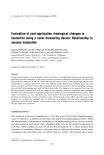
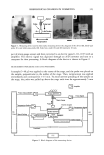
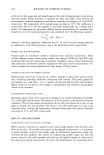
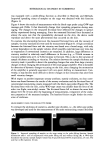
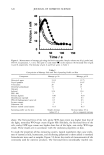
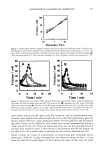
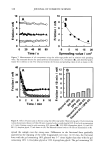
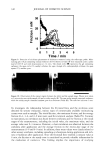
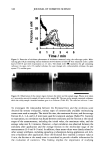
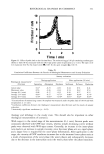
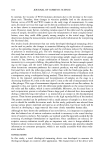
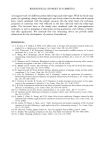
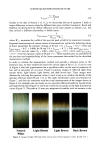
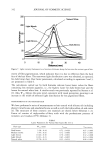
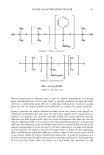
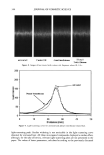
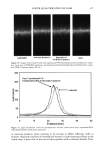
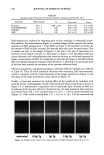
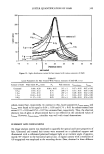
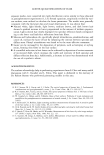
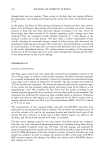
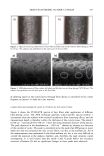
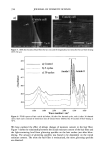
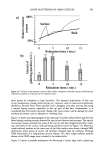
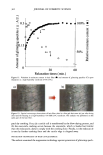
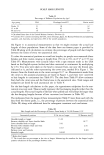
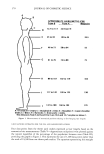
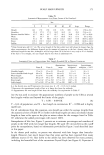
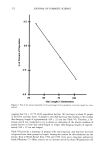
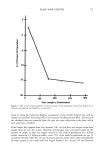
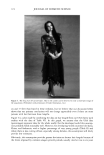
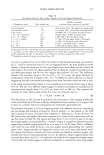
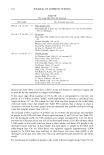
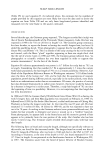
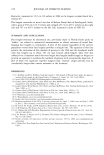
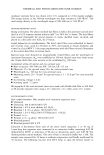
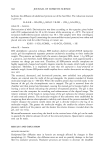
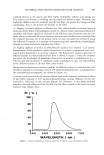
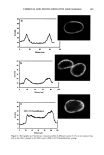
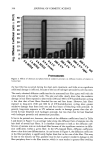
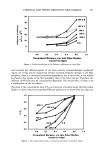
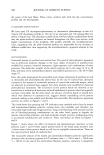
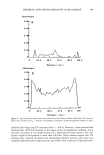
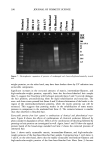
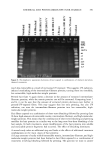
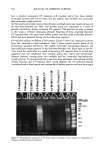
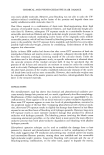
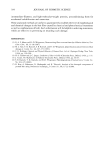
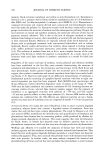
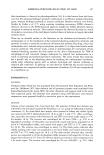
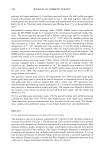
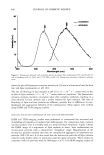
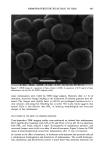
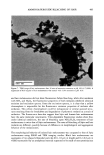
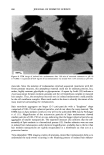
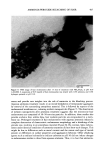
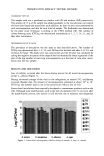
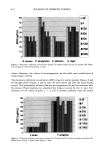
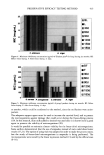
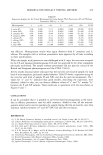
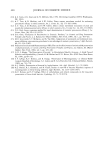
LUSTER QUANTIFICATION OF HAIR 343 ll3 H3C•S i CH3 O CH 3 ll3 Si--O CH• Si Si(CH3)3 Scheme 1. Phenyl trimethicone. (i H2)3 NH(CH2)2NH2 Scheme 2. Amodimethicone. HO•C17H32'COOH Scheme 3. Ricinoleic acid. CH 3 ll3 CH 3 CH 3 Phenyl trimethicone is commonly used in leave-in cosmetic formulations as a shining agent. Amodimethicone, on the other hand, is typically employed in rinse-off condi- tioners as a conditioning agent effective in reducing combing forces. Castor oil usually plays the role of a texture modifier and conditioner in a variety of cosmetic products. Figure 8 provides the images obtained for dark brown hair treated with phenyl tri- methicone, amodimethicone, and castor oil, which were applied at 2% concentration in ethanol. It is apparent that all three materials modify the contrast between specular reflection and other regions of the tress. As a result of treatment with these oils, one can observe a lightening effect in the region of the tress immediately adjacent to the specular reflection and darkening of the area further away from the specular band, located in the regions corresponding to 0-10 mm and 35-50 mm, respectively (compare with Figure 9, which provides the distance scale for the images shown in Figure 8). The lightening effect (or broadening of specular reflection) is most evident in the case of castor oil but is also clearly visible for phenyl trimethicone-treated hair. A graph of luminance as a function of tress length for phenyl trimethicone is presented in Figure 9. The broadening of the specular band takes the form of a left-hand-side shoulder in the

344 JOURNAL OF COSMETIC SCIENCE untreated Castor Oil Amodimethicone Phenyl Trimethicone Figure 8. Images of hair treated with various oils. Exposure values: fS, 1/6 s. 250 • untreated ß o 200 o 150 E 3•100 50 i i i ! 0 10 2o 30 40 50 Distance (ram) Figure 9. Light-scattering curves for untreated and phenyl trimethicone-treated hair. light-scattering peak. Similar widening is not noticeable in the light-scattering curve obtained for untreated hair. All three investigated compounds displayed a similar effect, although, for the sake of brevity, relevant light-scattering plots are not presented in the paper. The values of luster parameters, calculated according to the previously discussed
Purchased for the exclusive use of nofirst nolast (unknown)
From: SCC Media Library & Resource Center (library.scconline.org)