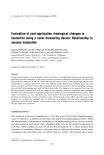
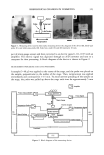
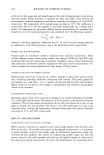
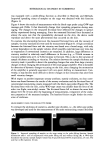
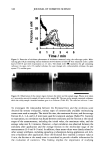
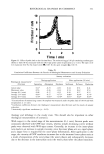
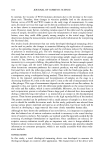
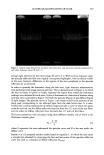
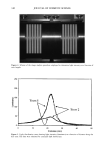
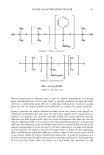
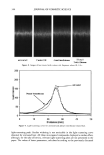
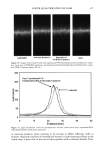
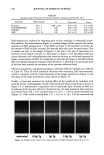
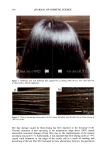
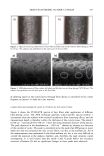
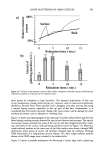
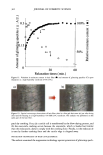
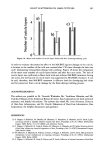
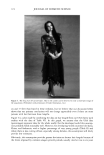
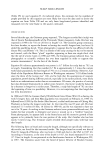
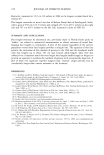
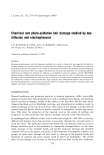
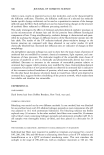
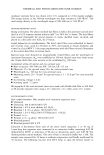
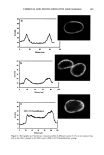
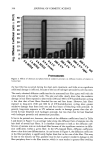
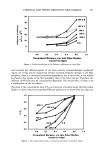
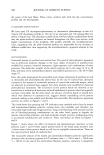
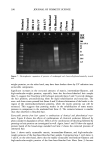
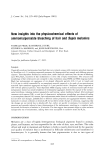
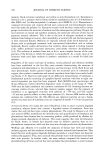
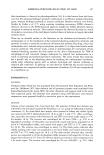
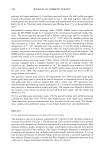
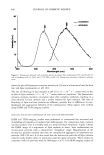
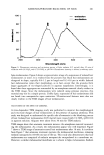
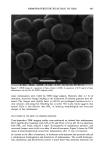
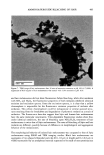
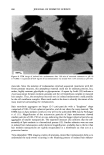
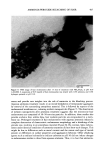
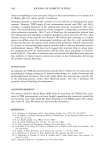
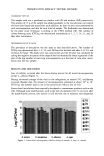
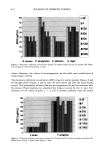
390 JOURNAL OF COSMETIC SCIENCE I 2 3 4 5 6 7 8 9 I0 MW 200 116 / 97.4 45 31 21.$ 14.4 6.$ Figure 7. Electrophoretic separation of proteins of undamaged and chemically/photochemically treated hair. weight proteins, on the other hand, may have been broken down by UV radiation into extractable components. Significant increases in the extracted amounts of matrix, intermediate-filament, and high-molecular-weight proteins, especially from the four-hour-bleached hair sample (lane 7), suggest that bleaching with hydrogen peroxide (lanes 6 and 7) severely damages the hair proteins, preconditioning them for rapid solubilization and extraction. The once- and three-times-permed hair (lanes 8 and 9) shows elimination of the bands in the region of the intermediate-filament proteins, while the matrix proteins can still be extracted. This suggests that perming results in the solubilization of some matrix proteins in comparison to the unaltered hair (lane 2). The extracted amount is smaller than that observed in bleached hair. Extractable proteins from hair exposed to combinations of chemical and photochemical treat- ments. Figure 8 shows the effects of combinations of chemical oxidation followed by photo-oxidative degradation of hair. Effects of the combination of bleaching followed by perming on hair proteins are investigated as well. Again, lanes 1 and 10 show the typical protein bands of the broad-range standard and lane 2 shows the extracted proteins of untreated hair. Lane 3 shows easily extractable matrix, intermediate-filament, and high-molecular- weight proteins of the four-hour-bleached hair sample. Comparing lane 3 with lanes 4, 5 and 6, on the other hand, shows that the readily extractable intermediate-filament and high-molecular-weight proteins of the four-hour-bleached hair fibers (lane 3) become

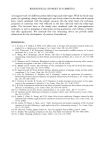
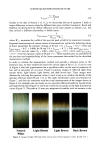
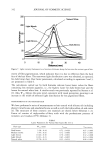
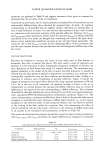
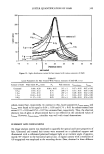
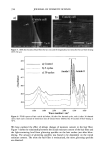
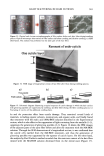
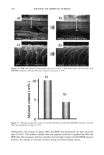
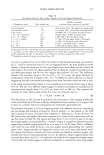
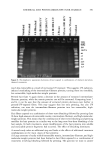
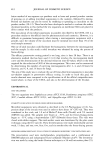
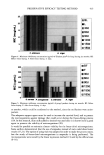
CHEMICAL AND PHOTO-OXIDATIVE HAIR DAMAGE 391 MW 116/97.4 66 45 31 21.5 14.4 6.5 .. Figure 8. Electrophoretic separation of proteins of hair exposed to combinations of chemical and photo- chemical treatments. much less extractable as a result of increasing UV exposure. This suggests UV-radiation- induced crosslinking of the intermediate-filament proteins, turning them into insoluble, less extractable, high-molecular-weight proteins. Permed hair (lane 7) again shows a decrease in the amount of extracted intermediate- filament proteins, while the matrix proteins can still be extracted. Comparing lanes 7 and 8, it can be seen that the amount of extracted protein decreases even further in permed/UV-exposed fibers. This may suggest that not only perming, but also UV radiation, can turn the intermediate-filament proteins into less extractable, high- molecular-weight proteins. Hair fibers exposed to a combination of short-term bleaching followed by perming (lane 9) show high amounts of extractable matrix, intermediate-filament, and high-molecular- weight proteins. This means that the combination of short-term bleaching and perming modifies the hair proteins in a similar way to the long-term four-hour bleaching of the hair sample. In both treatments, severe modifications of the hair proteins into soluble and extractable protein fragments had occurred. The effect of bleaching dominates. A second study takes an additional step and looks at the effects of additional treatment combinations on the main classes of hair proteins: (1) Large amounts of easily soluble/extractable matrix, intermediate-filament, and high- molecular-weight proteins had been formed in hair fibers exposed to a combination of treatments involving bleaching followed by perming. The question we want to answer
Purchased for the exclusive use of nofirst nolast (unknown)
From: SCC Media Library & Resource Center (library.scconline.org)