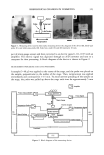
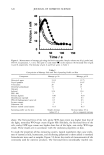
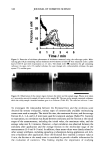
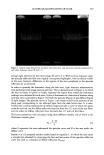
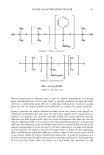
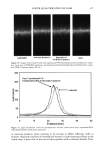
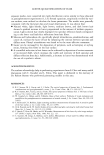
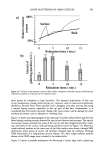
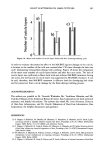
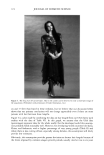
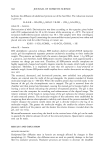
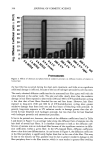
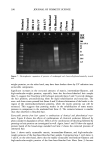
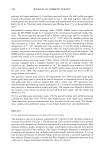
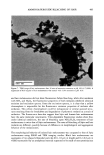
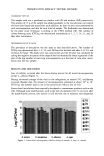
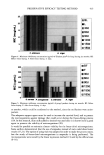
PRESERVATIVE EFFICACY TESTING METHOD 413 CHALLENGE TEST (10) The sample used was a powdered eye shadow with (P) and without (NP) preservative. The amount of 15 g of the sample was added gradually to the inocula (one-vial content of freeze-dried mass) and mixed after each addition. At least six tests were performed for each microorganism, and also for each kind of sample. The bioburden was determined by the plate count technique, according to the CTFA method (10). The number of colony-forming units (CFU)/g was determined immediately at 1, 2, 7, 14, 21, and 28 days after inoculation. DETERMINATION OF D-VALUE The procedure of inoculation was the same as that described above. The number of CFU/g was determined after 2, 4, 24, and 48 hours for bacteria and after 4, 8, 24, and 48 hours for fungi. The death curve was constructed, and the D-value was calculated by taking the negative reciprocal of the slope of the line obtained by linear regression of the plot of the log number of surviving microorganisms as a function of time after inocu- lation into the test sample. RESULTS AND DISCUSSION Loss of viability occurred after the freeze-drying process for all tested microorganisms except C. albicans (Figure 1). During six-month storage of the vials in the refrigerator, at around 5øC, oscillations occurred. Besides that, the amount of microorganisms remained at about 10 6 to 10 7 CFU/vial, the suitable load to use in the preservative efficacy test (6-10). Freeze-dried inocula have been especially developed to contaminate products such as oils (16). Although some modifications, such as the lack of plasmids (10,17), can occur after the lyophilization process, this process is still the best one to maintain microorganism 10- S. aureus P. aeruginosa C. a/b/cans A. niger Figure 1. Freeze-dried microorganism viability during six months. d: days. m: months.

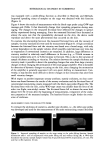
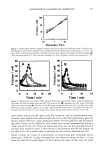
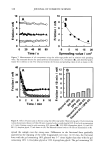
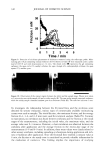
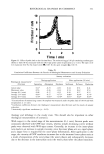
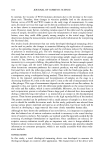
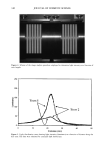
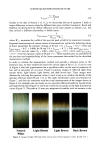
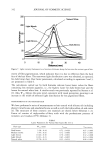
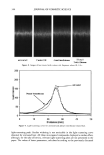
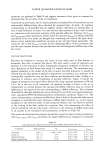
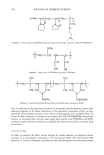
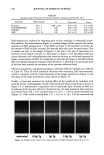
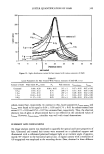
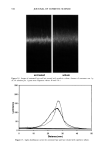
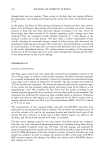
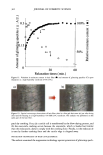
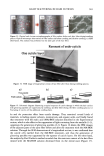
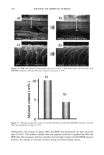
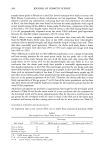
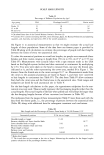
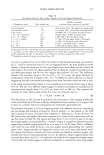
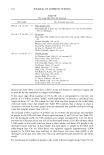
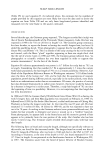
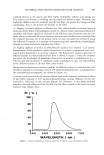
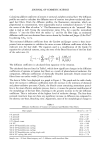
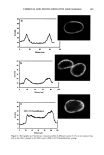
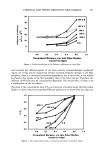
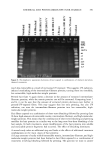
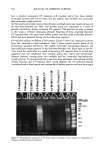
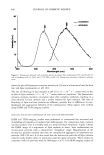
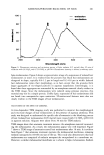
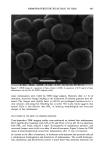
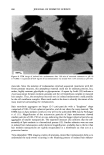
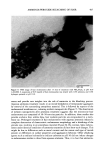
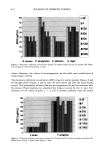
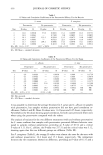
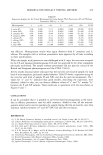
414 JOURNAL OF COSMETIC SCIENCE S. aureus P. aeruginosa C. albicans A. niger Figure 2. Minimum inhibitory concentration (pg/ml) of methyl paraben during six months. BF: Before freeze-drying. F: After freeze-drying. d: days. culture. Moreover, the culture of microorganisms can also suffer some modification of characteristics (10,18). The minimum inhibitory concentration (MIC) values for methyl paraben (Figure 2) and for Glydant plus © (Figures 3 and 4) were the same before and after the freeze-drying process. This performance indicated that the microorganisms did not lose resistance after the process. Propyl paraben also presented this behavior, except for the A. niger. Fur- thermore, all the results (Figures 2, 3, 4, and 5) showed variability from one month S. aureus P. aeru•nos• Figure 3. Minimum inhibitory concentration (pg/ml) of Glydant pins © for bacteria during six months. BF: Before freeze-drying. F: After freeze-drying. d: days.
Purchased for the exclusive use of nofirst nolast (unknown)
From: SCC Media Library & Resource Center (library.scconline.org)