J. Cosmet. Sci.! 57, 465-473 (November/December 2006) Comparing the moisturizing effects of ascorbic acid and calcium ascorbate against that of tocopherol in emulsions U. GONULLU, D. SENSOY, M. UNER, G. YENER, and T. ALTINKURT, Istanbul University, Faculty of Pharmacy, Department of Pharmaceutical Technology, Beyazit 34119, Istanbul, Turkey. Accepted for publication August 25, 2006. Presented as a poster at the Skin and Formulation Symposium organized by APGI (Association de Pharmacie Galenique Industrielle), Paris, October 23-24, 2003. Synopsis Calcium ascorbate (CAAS), which is a hydrophilic and stable derivative of ascorbic acid (vitamin C) (AA), is commonly used in foods as an ancioxidative agent. There are very limited reports on its dermatological use in the literature. In this paper, it is reported that CAAS could be used in place of ascorbic acid, which has chemical stability problems in topicals due to degradation by oxidation. The aim of this study was to investigate the skin-hydrating effect of CAAS compared to those of ascorbic acid and tocopherol (vitamin E) (T), which is a potential skin moisturizer and commonly used in dermocosmetics. Vitamins are incor porated into two kinds of base creams (o/w and w/o emulsion creams), alone and in combinations. Formu lations were applied to the inner forearms of volunteers, and skin conductance was measured by using a corneometer. Data obtained were statistically evaluated. It was found that the skin-hydrating effect of CAAS was higher than that of AA and lower than that of T. However, its effect was very close to that of T. INTRODUCTION Skin care products are designed with the intention of improving skin conditions. Two ways to provide this is by increasing skin hydration or by stimulating the synthesis of collagen and elastin fibers. Antiaging compounds that are antioxidants and/or collagen metabolism activators are some of the actives that are used in formulations with this aim (1,2). Ascorbic acid (AA), AA derivatives, and tocopherol (T) mainly act as potent free-radical scavengers (3-5). Free oxygen radicals are highly reactive chemical species that are generated in cells and tissues by sunlight, tobacco smoke, and also by normal metabolic processes that involve oxygen from the atmosphere. They can cause damage to the lipids, proteins, and nucleic acid inside the cell, endandering tissue integrity (6-9). Free radicals are thought to be Address all correspondence to U. Goniillii 465

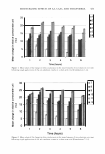
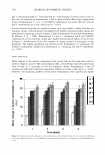
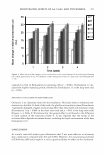
466 JOURNAL OF COSMETIC SCIENCE responsible for the cross-linking of elastin and collagen. Loss of natural collagen causes wrinkles and skin aging (4). AA (vitamin C, L-ascorbic acid) is a natural non-enzymatic antioxidant that neutralizes the reactive oxygen species and free radicals. AA efficiently protects biological molecules against oxidative degradation. When topically applied, it is capable of controlling the inflammation resulting from ultraviolet exposure that eventually leads to wrinkling and skin cancer (3). Recent studies have shown that AA is absorbed by the epidermis in levels high enough to protect the skin from UV radiation damage as measured by erythema and sunburn formation (10,11). AA also improves the elasticity of the skin and reduces wrinkles by promoting the formation of collagen, which is a protein necessary for the formation of connective tissue in muscles, skin, bones, and cartilage (12,13). Because of the capability of suppressing pigmentation of the skin and decomposition of melanin, it can be used to whiten the skin (14,15). Older skin, in particular, may not get enough AA from the body's internal blood supply, and so it makes sense to apply it topically for antioxidant protection. Because of the favorable effects of AA, the use of it in dermocosmetic formulations for skin care is important. Due to its excellent reducing efficiency, AA is extremely unstable under aerobic con ditions, especially in aqueous solutions, by reaction with dissolved oxygen, and can't be protected from significant oxidation in the finished product. It is degraded irreversibly and quickly to the biologically inactive form (2,3-diketo-L-gulonic acid). Contact with metal ions and light exposure promotes oxidation (16-18). Since most cosmetics are complex emulsions containing oil and water, AA can't possibly remain stable and may not be effective for skin maintenance and repair. Derivatives of AA are therefore syn thesized with similar action on the skin to overcome the stability problems (13, 16, 19). Hydrophilic calcium ascorbate (CAAS) is one of these derivatives that can be used for better chemical stability. Tocopherol (T) (vitamin E, d-a-tocopherol) is a potent non-enzymatic free-radical scav enger, emollient, and skin moisturizer. It is widely used in dermocosmetic products. This natural vitamin can protect skin from UV light, improve the appearance of skin, and delay the progression of aging in a manner similar to that of AA and its derivatives (4,5,11). Because of its lipophilic character, T penetrates more easily than AA and its hydrophilic salts. Its benefit to skin has been reported in the literature (5, 11,20). This study complements our previous study (21 ). We compared the skin-moisturizing effects of two AA derivatives, lipophilic ascorbyl palmitate (AP) and hydrophilic CAAS at different concentrations (2% and 5%, w/w) with those of a commercial skin care product containing T (5 % ). After evaluation of the data obtained, we decided to compare the skin moisturizing effect of AA or CAAS to that of T. AA, CAAS, and T (5%, w/w) were incorporated into two types of base emulsion formulations (i.e., o/w and w/o), alone and in combinations. Emulsion creams were then applied to the inner forearms of ten volunteers. The moisturizing effect of the formulations was investigated in a one-sided blind placebo-controlled study performed as short-term and long-term trials. The results were statistically evaluated. MATERIALS AND METHODS MATERIALS Ascorbic acid (Merck, Germany), calcium ascorbate (Merck, Germany), and tocopherol (Roche, Switzerland) were kindly provided by Roche, Istanbul. Cetyl alcohol, propylene
Purchased for the exclusive use of nofirst nolast (unknown)
From: SCC Media Library & Resource Center (library.scconline.org)