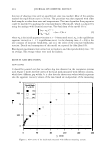
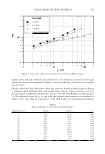
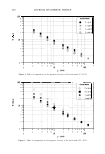
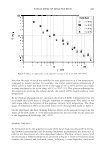
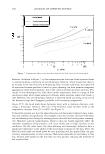
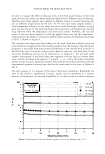
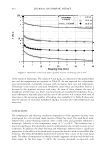
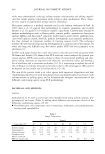
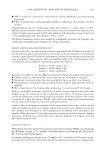
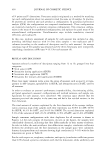
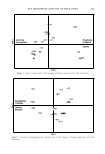
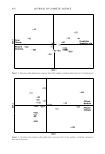
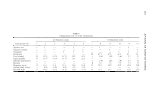
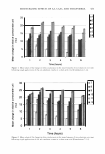
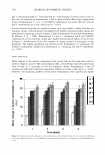
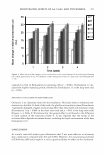
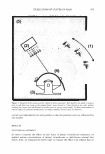
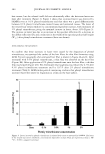
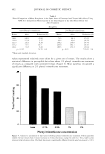
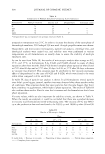
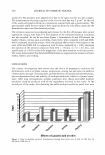
MOISTURIZING EFFECTS OF AA, CAAS, AND TOCOPHEROL 467 glycol, and glyceryl monostearate were obtained from Merck (Germany), Sigma (Ger many), and Aksrn Kimya (Turkey), respectively. Beeswax, liquid paraffin, and petrola tum were obtained from Doga (Turkey). Other chemicals were of analytical grade. METHODS Preparation of topical formulations. Compositions (w/w %) of o/w and w/o emulsion creams containing 5% AA, CAAS, T, and their combinations are shown in Table I. After preparation, the formulations were dyed using a methylene blue solution (0.5%, w/v) and investigated under a light microscope. Formulations 1-6 and 7-12 were confirmed to be o/w emulsions and w/o emulsions, respectively. The formation of o/w emulsions in formulations 1-6 can be attributed to the high detergent effect of sodium laury sulfate, which has a high hydrophilic-lipophilic balance (HLB) value of 40. Moisturization testing on skin. This study was performed as one-sided blind and placebo controlled in two orders as short-term and long-term trials. The creams containing active substance(s) (versus placebo creams) were applied to the inner forearms of ten Caucasian female volunteers aged 32 ± 6.4 years. Prior to the trials, the baseline values of the volunteers were taken using 2 x 2 cm test areas (2 cm apart) on the inner forearms. Each designated area was then treated with 0.01 ml of a test formulation (1-12) (Table I). Test conditions were as follows: 22°C temperature, 60% relative humidity. After applying the test formulations once in the manner as explained above, skin hydration readings were taken up to six hours in the short-term trial. In the long-term trial, test formulations were applied twice a day during four weeks, and the readings were taken every weekend. Three skin hydration readings at each test site were recorded by using a Corneometer CM 825 (Courage + Khazaka, Germany). Changes in skin conductance were detected as corneometer units and calculated (21). Statistical evalua tion was performed using Student's t-test. RES UL TS AND DISCUSSION The measuring method of the corneometer is based on the physical principle of a common capacitor, i.e., on the completely different dielectric constant of water (81) and other substances (mostly 7). The measuring capacitor shows changes in capacitance according to the moisture content of the samples. An electric scatterfield penetrates the skin during the measurement, and the dielectricity is determined. An electric field between the tracks with alternating attraction develops. The scatterfield penetrates the very first layer of the skin and determines the dielectricity (22). It was reported that the corneometer is very sensitive for measurements at low hydration and less sensitive in the range of very high hydration values (23,24). SHORT-TERM TRIAL Mean changes in the relative corneometer unit (rcu) versus time for the short-term trial are shown in Figures 1 and 2. According to the results obtained from corneometer measurements in the case of the o/w emulsion creams, formulation 4 containing T displayed significantly higher skin moisturization compared with that of formulations 3

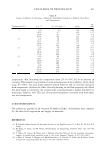
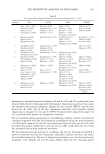
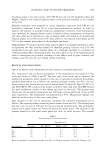
Table I Compositions (w/w %) of the Formulations o/w Emulsion cream Constituents (%) 1 2 3 4 5 6 7 Ascorbic acid 5 5 Calcium ascorbate 5 5 Vitamin E 5 5 5 Petrolatum 50 Cetyl alcohol 25 23.75 23.75 23.75 22.5 22.5 3 Liquid paraffin 25 23.75 23.75 23.75 22.5 22.5 Glyceryl monostearate 3 Beeswax 8 Propylene glycol 12 11.4 11.4 11.4 10.8 10.8 22 Sodium lauryl sulfate 1 0.95 0.95 0.95 0.9 0.9 Distilled water 37 35.15 35.15 35.15 33.13 33.13 14 w/o Emulsion cream 8 9 10 5 5 5 47.5 47.5 47.5 2.85 2.85 2.85 2.85 2.85 2.85 7.6 7.6 7.6 20.9 20.9 20.9 13.3 13.3 13.3 11 5 5 45 2.7 2.7 7.2 19.8 12.6 12 5 5 45 2.7 2.7 7.2 19.8 12.6 � 0\ 00 "--i 0 z t"'"" 0 '"Ij n 0 � 1---i n n trJ z n
Purchased for the exclusive use of nofirst nolast (unknown)
From: SCC Media Library & Resource Center (library.scconline.org)