20 JOURNAL OF COSMETIC SCIENCE
tissues, such as collagen and elastic fibers it also contains proteins, nerves, blood vessels,
lymph, and muscles. Among these, collagen fiber is the main component of the extra-
cellular matrix (ECM) as the representative connective tissue and comprises about 90%
of the dermis collagen has a direct influence on skin tension. The maintenance of the
collagen structure relates to the intrinsic aging and photo-aging of the skin (1,2).
Therefore, a variety of investigations has been focused on protection against skin aging
by the inhibition of collagenase activity, which disintegrates the ECM proteins (3).
It in generally known that, among the matrix metalloproteinases (MMPs), the enzymes
related to collagenase mRNA include MMP-1, MMP-8, MMP-13, and MMP-18 (4).
MMPs also play crucial roles in the degradation of basal membranes and ECM for tumor
metastasis and permeation in situations such as tumor invasion, migration, and host
immune escape, as well as in the destruction of connective tissue due to inflammatory
diseases like rheumatoid arthritis, periodontal disease, osteoarthritis, gastric ulcer, and
arteriosclerosis in pathological conditions (5,6). MMPs can be divided into four catego-
ries according to the preferred substrate: collagenase (MMP-1,8,13,18), gelatinase
(MMP-2,9), stromelysin (MMP-3,10), and membrane-type MMPs (MMP-14,15,16,17)
(7 ,8). Since the enzymatic activity of interstitial collagenase in degrading the collagen
triple helix was reported by Gross and Lapiere in 1962 (9), a considerable amount of
research has been focused on the MMP-1 of these matrix metalloproteinases. Therefore,
it is suggested that the evaluation of the inhibition efficacy of materials on MMP-1 gene
expression could be used as a screening method to find promising candidates that inhibit
the degradation of collagens (10-12).
Elastin is another fibrous protein of the skin. Even though the distribution of elastin is
much lower than that of collagen, elastin has an influence on skin elasticity (13).Because
this elastic fiber is easily decomposed by elastase secretion and activation due to UV or
ROS (reactive oxygen species), an approach that inhibits elastase activity could also be
used as a useful method in protecting against skin aging (14).
Moreover, free radical species and ROS have been of interest to pharmacologists, bio-
chemists, and other health professionals because they cause oxidative damage, and be-
cause substances generated from oxidative stress are believed to cause melanin and
wrinkle formation (15 ).These species are formed by the body, sometimes resulting from
exposure to sunlight, chemicals, and microbes (16). Evidence shows that polymeric
substrates that play roles in retaining the elasticity of the skin, such as collagen, hyal-
uronic acid, and elastin, break down when exposed to active oxygen species (17, 18). In
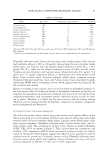
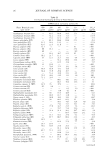
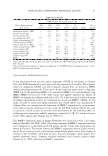
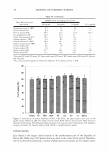
this study, 60 plants, collected from Jeju Island, were extracted, and their efficacies for
activities, such as scavenging of free radicals that cause photo-aging, inhibition of elastin
degradation by elastase, and inhibition of the expression of MMP-1 to induce wrinkles
on the skin, were evaluated. Because of the regional and climatic diversity, we chose
natural plants living on Jeju Island for this screening.
J eju Island is located south of the Korean Peninsula, and is the largest volcanic island
in the country. The nature of the volcanic island remains well-preserved in its prehistoric
state. Because Mt. Halla rises 1950 meters above sea level in the center of Jeju Island,
the island has the diversity of a plant community at a variety of altitudes and latitudes.
It is generally known that about 1800 plant species exist on this island (19).
tissues, such as collagen and elastic fibers it also contains proteins, nerves, blood vessels,
lymph, and muscles. Among these, collagen fiber is the main component of the extra-
cellular matrix (ECM) as the representative connective tissue and comprises about 90%
of the dermis collagen has a direct influence on skin tension. The maintenance of the
collagen structure relates to the intrinsic aging and photo-aging of the skin (1,2).
Therefore, a variety of investigations has been focused on protection against skin aging
by the inhibition of collagenase activity, which disintegrates the ECM proteins (3).
It in generally known that, among the matrix metalloproteinases (MMPs), the enzymes
related to collagenase mRNA include MMP-1, MMP-8, MMP-13, and MMP-18 (4).
MMPs also play crucial roles in the degradation of basal membranes and ECM for tumor
metastasis and permeation in situations such as tumor invasion, migration, and host
immune escape, as well as in the destruction of connective tissue due to inflammatory
diseases like rheumatoid arthritis, periodontal disease, osteoarthritis, gastric ulcer, and
arteriosclerosis in pathological conditions (5,6). MMPs can be divided into four catego-
ries according to the preferred substrate: collagenase (MMP-1,8,13,18), gelatinase
(MMP-2,9), stromelysin (MMP-3,10), and membrane-type MMPs (MMP-14,15,16,17)
(7 ,8). Since the enzymatic activity of interstitial collagenase in degrading the collagen
triple helix was reported by Gross and Lapiere in 1962 (9), a considerable amount of
research has been focused on the MMP-1 of these matrix metalloproteinases. Therefore,
it is suggested that the evaluation of the inhibition efficacy of materials on MMP-1 gene
expression could be used as a screening method to find promising candidates that inhibit
the degradation of collagens (10-12).
Elastin is another fibrous protein of the skin. Even though the distribution of elastin is
much lower than that of collagen, elastin has an influence on skin elasticity (13).Because
this elastic fiber is easily decomposed by elastase secretion and activation due to UV or
ROS (reactive oxygen species), an approach that inhibits elastase activity could also be
used as a useful method in protecting against skin aging (14).
Moreover, free radical species and ROS have been of interest to pharmacologists, bio-
chemists, and other health professionals because they cause oxidative damage, and be-
cause substances generated from oxidative stress are believed to cause melanin and
wrinkle formation (15 ).These species are formed by the body, sometimes resulting from
exposure to sunlight, chemicals, and microbes (16). Evidence shows that polymeric
substrates that play roles in retaining the elasticity of the skin, such as collagen, hyal-
uronic acid, and elastin, break down when exposed to active oxygen species (17, 18). In
this study, 60 plants, collected from Jeju Island, were extracted, and their efficacies for
activities, such as scavenging of free radicals that cause photo-aging, inhibition of elastin
degradation by elastase, and inhibition of the expression of MMP-1 to induce wrinkles
on the skin, were evaluated. Because of the regional and climatic diversity, we chose
natural plants living on Jeju Island for this screening.
J eju Island is located south of the Korean Peninsula, and is the largest volcanic island
in the country. The nature of the volcanic island remains well-preserved in its prehistoric
state. Because Mt. Halla rises 1950 meters above sea level in the center of Jeju Island,
the island has the diversity of a plant community at a variety of altitudes and latitudes.
It is generally known that about 1800 plant species exist on this island (19).