ELECTROSPUN PVA FIBER MATS AS EXTRACT CARRIERS 235 MATERIALS AND METHODS MATERIALS Poly(vinyl alcohol) (PVA) (degree of polymerization� 1600 and degree of hydrolysis � 97.5-99.5 mol%) was purchased from Fluka (Switzerland). GM was obtained from a farm in Chantaburi Province, Thailand. The source of 2,2-diphenyl-1-picryl-hydrazyl (DPPH) was Sigma-Aldrich (USA). Dimethyl sulfoxide (DMSO) was purchased from BDH Laboratories (UK). All other reagents and solvents were of analytical grade and used without further purification. PREPARATION OF GM EXTRACTS GM fruits were cleaned to remove any residual compost. The hulls were separated and then dried. All dried hulls were ground and placed in distilled water at 70°C at a hull powder-to-water ratio of 1 :4. The mixtures were boiled four times until no tannin content was observed. The macerate filtrate was dried at 40°--45°C in a hot-air oven. The dry powder was macerated at room temperature for seven days with distilled water. The extract was filtered and then evaporated to obtain the dry crude extracts. DPPH FREE-RADICAL SCAVENGING ACTIVITY The scavenging of 1,1-diphenyl-2-picrylhydrazyl (DPPH) radicals was carried out ac cording to the method of Blois (28). Briefly, dilutions of the test compounds (in 100% DMSO) were treated with an ethanolic solution of DPPH (100 µM) for 30 min at 37°C. The DMSO solvent was used as the control (i.e., 0% radical scavenging). The radical scavenging potential was determined photometrically by reaction with DPPH free radi cals in a microplate reader (Universal Microplate Analyzer, Models AOPUS0l and AI53601 Packard BioScience, USA) at 550 nm. The antioxiant activity was used as a marker for the presence of GM extracts, expressed as percent of radical scavenging and calculated as follows: Radical scavenging activity(%)=(1 -(A sampl / A concroi )) X 100 where Asam ple is the absorbence of the sample and Aconcrol is the absorbence of the control. PREPARATION OF NEAT AND GM EXTRACT-LOADED ELECTROSPUN PVA FIBER MATS AND CAST PVA FILMS A weighed amount of PV A powder was dissolved in distilled water at 80°C for 3 h to prepare a PVA solution at a fixed concentration of 10% w/v. After the solution was cooled to room temperature, GM extracts (2.5%, 5%, and 10% w/w, based on the weight of PV A) were added to the PV A solution under constant stirring for 4 h. Electrospinning of the prepared solutions was carried out by connecting the emitting electrode of positive polarity from a high-voltage DC power supply (D-ES30PN/M692, Gamma High Voltage Research, USA) to the solutions contained in a standard 50-ml syringe, the open end of which was attached to a gauge-20 flat-tipped stainless steel

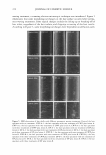
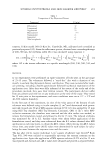
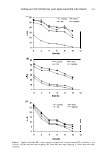
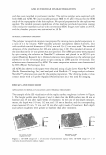
236 JOURNAL OF COSMETIC SCIENCE needle (outer diameter = 0.91 mm) used as a nozzle, and by connecting the grounding electrode to a home-made rotating metal drum, used as the fiber-collecting device. The electric field was fixed at 15 kV/15 cm. For the morphological study, the collection time was about 5 min, while, for the rest of the experiments, the collection time was about 24 h. The drum (outer diameter = 15 cm) rotated at a speed of about 50-65 rpm. The feed rate of the solutions was controlled to about 1 ml h - l using a syringe pump. The GM extract-loaded PVA films were prepared by the solution-casting technique from a PVA solution having a concentration of 10% w/v. The thickness of both the electro spun fiber mats (for the ones that were electrospun for about 24 h) and the cast films was controlled between 20 and 30 µm. CHARACTERIZATION OF NEAT AND GM EXTRACT-LOADED ELECTROSPUN PVA FIBER MATS The morphological appearance of both the neat and the GM extract-loaded electrospun PVA fiber mats was observed by a scanning electron microscope (SEM model S-3400N, Hitachi, Japan). The electrospun fiber mats were sputtered with a thin layer of gold prior to SEM observation. Based on these SEM images, the average diameters of the electro spun fibers could be measured and were reported as average values from at least 100 measurements. The degree of swelling and weight loss of both the neat and the GM extract-loaded electrospun PVA fiber mats was measured in distilled water at room temperature for 24 h according to the following equation: Degree of swelling ( % ) = (M - Md)/Md X 100 (1) where M is the weight of each sample after submersion in water for 24 h and M d is the initial weight of the sample in its dry state. RELEASE OF GM EXTRACT-LOADED ELECTROSPUN PV A FIBER MATS AND CAST PV A FILMS Actual GM extract content. The GM extract content in the GM extract-loaded electrospun PVA fiber mats and cast PVA films was quantified by dissolving the specimens in 4 ml of distilled water for 24 h. After that, 0.5 ml of the solution was pipetted and the GM extract content was measured based on the antioxidant activity. Release of GM extracts. To study the release characteristics of the GM extracts from the GM extract-loaded electrospun PVA fiber mats and as-cast PVA films, a total immersion method was carried out. GM extract-loaded electrospun PVA fiber mat specimens (5 cm2) or cast PVA film specimens (0.5 cm2 ) were immersed in 2 ml of distilled water at 32°C. At a given submersion time point (5, 10, 30, 60, 90, or 120 min), 0.5-ml aliquots of the released medium were withdrawn and the same volume of fresh medium was added. The antioxidant activity in the sample solutions was analyzed. All experiments were performed in triplicate. STATISTICAL ANALYSIS All results were expressed as mean ± S.D. Data were analyzed by one-way analysis of
Purchased for the exclusive use of nofirst nolast (unknown)
From: SCC Media Library & Resource Center (library.scconline.org)