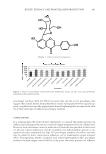
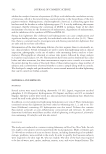
JOURNAL OF COSMETIC SCIENCE 502 inhibit the catalytic function of tyrosinase (6). Kojic acid inhibits the catecholase activity of tyrosinase, which is the rate-limiting, essential enzyme in the biosynthesis of the skin pigment melanin. Hydroquinone, a hydroxyphenolic chemical, is a bleaching agent that has been used for decades as a skin-lightening agent (7). It acts by inhibiting the enzyme tyrosinase, thereby reducing the conversion of DOPA to melanin. Some of the other mechanisms of action are the destruction of melanocytes, degradation of melanosomes, and the inhibition of the synthesis of DNA and RNA (8). Strong skin lighteners like clobetasol and hydroquinone can cause complications and signifi cant health problems, especially for individuals with skin of color (9–11). There- fore, there is a constant need to investigate new and diverse potential skin lighteners that are safer and do not have side effects. Determination of the skin-whitening abilities of actives requires three-to-six-month, in- use, clinical studies. Several techniques are used to assess skin lightening such as clinical inspection, photographs, or the use of surface color measuring devices such as a chro- mameter. Photographs are obtained at various time points, followed by image analysis (12) and/or visual analysis (13,14). Chromameters have been used to determine skin color before and after treatment, but these measurements require strict controls to account for the suntan during the course of the study. Most of these studies require a large number of subjects and a commitment of several months to screen a sample along with its controls. We developed a simple and quick method to screen several materials for skin lightening that can be carried out within a month. MATERIALS AND METHODS MATERIALS Several actives were tested including chamomile 1% (E.L. Japan), magnesium ascorbyl phosphate 0.1% (Presperse), hydroquinone 2% (Sigma), and kojic acid 2% as standard (Sigma). All these actives were tested in a silicone-in-water formulation base, which was tested by itself as the placebo (vehicle). In addition, several commercial lightening formulations were tested. These formulations contained various skin lighteners and were coded as whitening mix 1, 2, and so on. Tri- luma (Galderma) containing 4% hydroquinine was also tested. Triluma also contains fl uocinolone acetonide, an anti-infl ammatory corticosteroid and tretinoin. In order to determine if exfoliants would have an effect of skin lightening in this protocol, a formula- tion containing 1% salicylic acid was also tested. PROCEDURE The study was conducted at a contract testing laboratory in New City, New York. In each test, eight to ten subjects were recruited from the local population. Males or females ages 21–48 with no evidence of acute or chronic disease, including dermatological or ophthal- mologic problems, were enrolled in the study. In order to qualify, the Caucasian subjects were required to be skin type III, who tan readily. The skin of the back was required to be free of warts, nevi, moles, sunburn, suntan, scars, and active dermal lesions. The

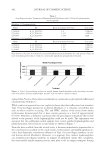
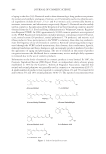
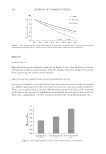
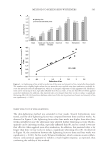
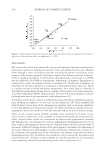
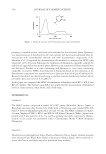
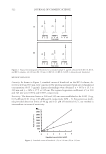
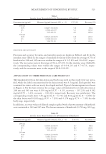
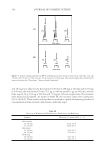
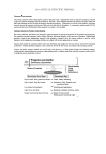
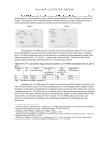
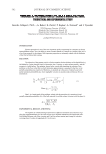
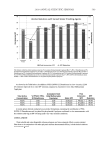
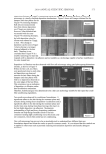
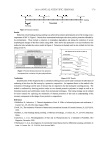
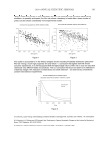
METHOD TO SCREEN SKIN WHITENERS 503 subjects were not under treatment with retinoids, tetracycline, nalidixic acid, corticoster- oids, antihistamines, or similar agents during the course of the study and two weeks prior to the study’s commencement. The subjects expressed willingness to cooperate with the investigator and demonstrated the ability to understand the purpose of the study and the risks associated with participation. Written informed consent was obtained from each volunteer before entering the study. The source of radiation was a xenon arc Berger Solar Simulator (Solar Light Co., Philadel- phia, PA) equipped with an interference fi lter with a range of 280 nm to 320 nm and a peak of 300 nm, in addition to WG 320 and UG-11 fi lters. The test site was the backs of the panelists. The minimal erythemal dose (MED) for the panelists was obtained as follows: about 2-cm diameter circles were exposed to UV-B in 25% increments, and erythema was visually graded after 24 hours. The minimal energy level (mJ/cm2) to induce a slight pink erythema after 24 hours is the MED. Six to seven distinct areas (approximately 4 cm2) were marked on the backs of the panel- ists corresponding to the test materials and an additional untreated irradiated control. The panelists received twice the MED of UV-B on each site, and the materials to be tested were applied after irradiation, as described below. Setup of experimental conditions. In order to develop the perfect skin lightening protocol, various procedures were investigated: Part I: Evaluation of tan reduction Five days after irradiation, when erythema was replaced by a tan, the test materials were applied on their respective sites (2 mg/cm2) and allowed to dry for ten minutes. Product treatment was continued once a day except Sunday for 21 days. Color measurements were obtained from the test sites twice a week, using a chromameter. Part II: Reduction of onset and lightening of tan Treatment with the test materials was commenced immediately after irradiation and con- tinued once a day, except Sunday, for 21 days. Color measurements were obtained from the test sites twice a week, using a chromameter (Minolta, Ramsey, NJ). This device uses a xenon light lamp to fl ash a light on any surface, and the light refl ected from this surface is converted to color co-ordinates where L* values correspond to skin refl ectance, a* values to red and yellow color, and b* values to yellow and blue color. Reproducibility. The reproducibility of the method was determined by testing kojic acid as a control fi ve times in both methods. Three vs four weeks. Since hydroquinone takes a lot longer than three weeks to exhibit an effect and it did not appear to be signifi cantly effective in this short skin-lightening protocol, the method was extended to four weeks. Several formulations were tested and the skin-lightening factor was compared between three and four weeks. Data analysis. Untreated unirradiated skin color was subtracted from all values to deter- mine ΔL* values (decrease in refl ectance), normalized for baseline (one day after irradia- tion) and plotted against all the time points (days), as illustrated in Figure 1. The area under the curve for each test site was calculated for the treated (At) site and the untreated (Ac) irradiated site. The “lightening factor” was calculated as the area under the curve of the treated site subtracted from the untreated, irradiated site (LF = Ac − At).
Purchased for the exclusive use of nofirst nolast (unknown)
From: SCC Media Library & Resource Center (library.scconline.org)