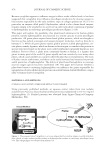
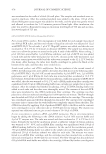
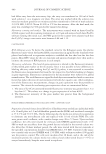
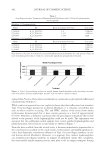
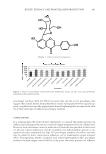
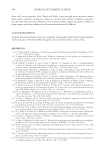
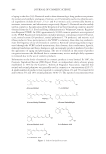
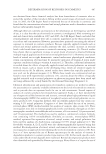
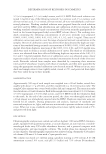
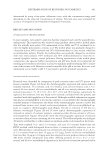
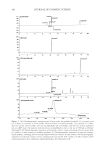
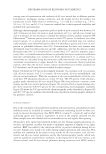
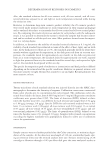
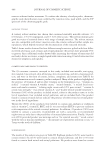
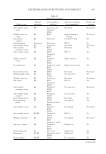
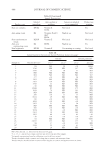
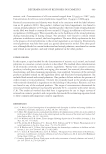
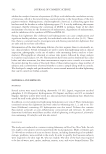
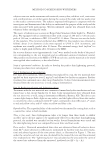
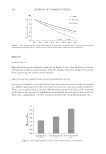
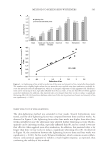
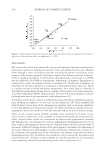
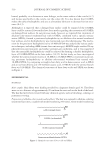
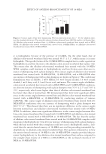
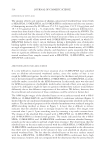
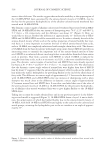
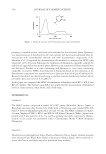
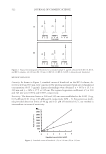
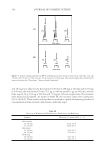
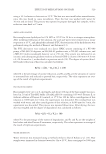
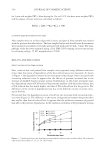
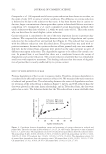
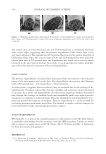
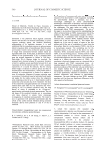
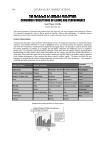
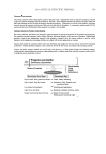
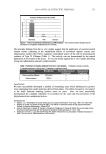
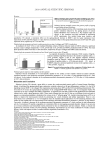
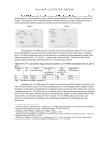
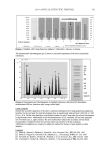
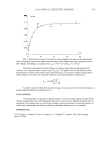
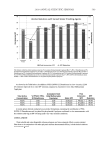
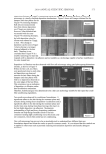
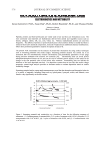
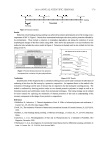
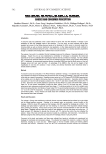
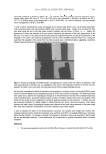
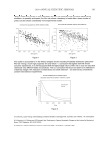
JOURNAL OF COSMETIC SCIENCE 504 RESULTS REPRODUCIBILITY Reproducibility of the method is exhibited in Figure 2. It is clear that kojic acid gave reproducible results in both methods, with the standard deviation within 2–5% of the mean, indicating the validity of this method. REDUCTION OF TAN VS REDUCTION OF ONSET AND INTENSITY OF TAN As observed in Figure 3a, the lightening of the onset and the intensity of the tan resulted in a higher lightening factor than the reduction of the tan that was already established. This is to be expected since the anti-infl ammatory properties of some of the materials would reduce the intensity of infl ammation and thereby the intensity of the initial tan. There was a signifi cant (p 0.001) correlation between the two methods (Figure 3b). Figure 1. Skin lightening after three and four weeks of treatment. Area under the curve of untreated–treated exhibited the lightening factor, which can be calculated after three- and four-week treatments. Figure 2. Skin-lightening effect of kojic acid and repeatability of the methods.

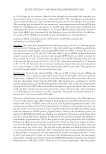
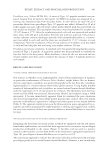
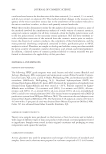
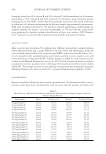
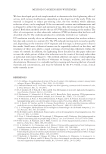
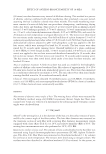
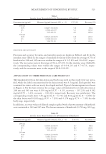
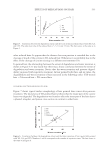
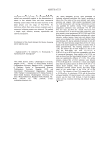
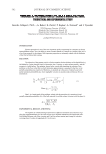
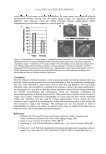
METHOD TO SCREEN SKIN WHITENERS 505 THREE-WEEK VS FOUR-WEEK LIGHTENING The skin-lightening method was extended to four weeks. Several formulations were tested, and the skin-lightening factor was compared between three and four weeks. As observed in Figure 4, the lightening factor after four weeks was higher than after three weeks probably because the additional time allowed further whitening activity. Hydro- quinone can be irritating on skin, especially infl amed skin (8), and as a result it was not that effective when applied soon after irradiation. In addition, this material takes a lot longer than three to four weeks to induce a signifi cant whitening effect (8). As observed in Figure 3b, the correlation between the lightening factor at three and four weeks was signifi cant (p 0.001). In this study Triluma (Galderma), which contains an anti-infl am- matory corticosteroid, appeared to exhibit a much higher response, as expected, thus confi rming the validity of this method. Figure 3. (a) Lightening of tan as well as reduction of the onset and intensity of tan, tested after three weeks. The numbers were slightly higher when the test materials were applied soon after irradiation, probably be- cause the materials reduced infl ammation, which is an integral component of skin pigmentation. Hydroqui- none can be irritating on skin, especially infl amed skin (8) as a result, it was not that effective when applied soon after irradiation. In addition, this material takes a lot longer than three weeks to induce a signifi cant whitening effect (8). (b) Correlation between reduction of skin tan vs prevention of onset and intensity of tan was signifi cant (p 0.001).
Purchased for the exclusive use of nofirst nolast (unknown)
From: SCC Media Library & Resource Center (library.scconline.org)