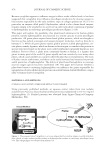
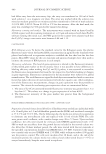
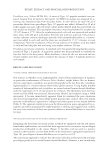
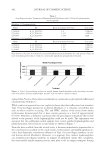
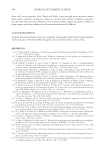
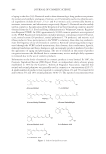
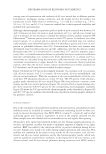
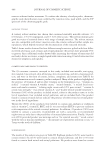
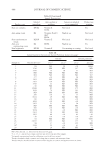
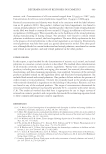
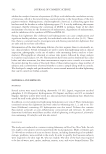
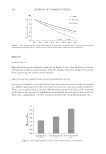
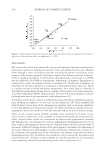
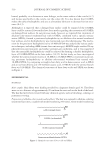
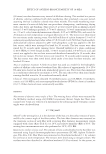
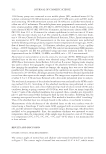
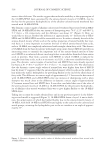
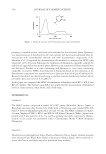
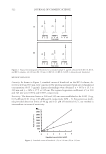
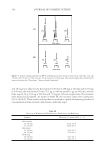
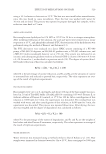
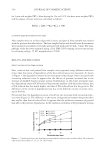
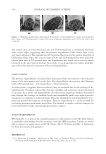
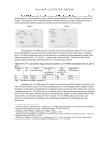
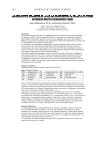
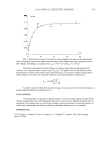
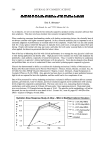
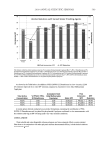
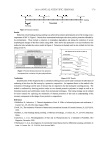
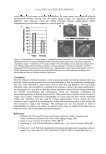
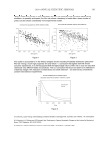
JOURNAL OF COSMETIC SCIENCE 530 for 5 min and weighed (W1). After drying for 3 hr at 105°C, the hairs were weighed (W0) and the degree of water retention calculated as follows: W W W W 1 (%) [( )/ ] = - ´ 0 0 100 SCANNING ELECTRON MICROSCOPY (SEM) Hair samples were cut at their edges with scissors, and part of these samples was treated with the protease described above. The hair samples before and after Pronase E treatments were mounted on stainless steel stubs and sputtered with gold (10 mA, 5 min). The mor- phology of the hair was examined using a Jeol JSM-5200 scanning electron microscope (accelerating voltage: 15 kV magnifi cation × 1000). RESULTS AND DISCUSSION EFFECT OF REDUCTION TIME ON HAIR First, reduced hair and permed hair samples were prepared using different reduction times then the extent of degradation of the hair with protease was measured. As shown in Figure 1, the degradation extent of each mercaptan-reduced type of hair increased with increasing reduction time. It appears that the effi cacy of protease increased due to the cleavage of disulfi de bonds (cystine) in hair. Furthermore, in the entire treatment time, the degradation extent of CYS-reduced hair was the smallest of all the reduced hairs, that of CA-reduced hair was much higher, and that of TG-reduced hair was the greatest. The differences in the extent of degradation may due to the different extents of cystine cleav- age in the hair. For permed hair, the degradation extent of each hair also increased with increasing reduc- tion time (Figure 2). The difference in the extent of degradation between the permed hair was smaller than that of reduced hair. It appears that the oxidation treatment of permed hair affects the protease degradation. In the oxidation treatment of the permanent waving Figure 1. Correlation between the degradation extent and the reduction time of reduced hair. The reduction time of the reduced hair is 5, 10, 15, 20, and 30 min.

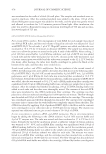
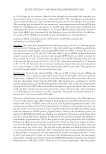
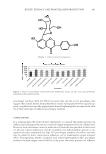
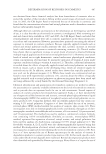
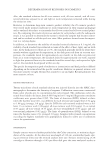
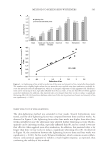
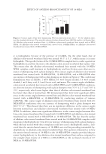
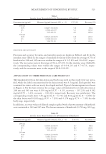
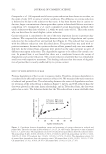
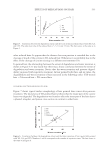
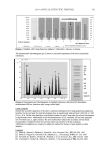
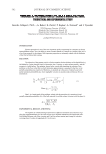
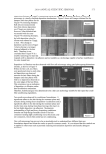
EFFECTS OF MERCAPTANS ON HAIR 531 process, cystine is regenerated and the protein structure becomes more closely packed. For this reason, it appears that the protease attack is less effective, and so the permed hairs showed a small difference in degradability between different mercaptan treatments. Yet these results also indicate that a structural change also occurs with permanent waving treatment that cannot be reversed by oxidation treatment. EFFECT OF CYSTINE CONTENT OF HAIR In order to compare the cystine content of hair with different mercaptan treatments, we measured cystine reduction as a function of reduction time. As shown in Figure 3, the cystine reduction no longer increased after 30 min of reduction in each mercaptan treat- ment. This fi nding indicates that the reduction in each mercaptan treatment is almost fi nished at around 30 min, at which time the penetration of mercaptans may be fi nished (3,4). Furthermore, in the entire reduction time, the cystine reduction of CYS-treated hair was smallest for all hairs, that of CA-treated hair was much higher, and that of TG- treated hair was greatest. Especially in the case of TG-reduced hair, about 90% of cystine was cleaved after about 30 min of reduction. Figure 2. Correlation between the degradation extent and the reduction time of permed hair. The reduction time of the permed hair is 5, 10, 15, 20, and 30 min. The oxidation time was fi xed at 15 min. Figure 3. The time course of cystine reduction of hair with different mercaptans. Cystine reduction % (paren- theses show the reduction time): TG reduction: 0(0), 13.1(3), 21.5(5), 44.7(10), 65.0(15), 80.4(20), 85.0(25), 89.0(30), 91(40). CA reduction: 10.3(3), 15.8(5), 33.7(10), 39.0(15), 43.0(20), 53.0(25), 54.3(30), 55.0(40). CYS reduction: 4.5(3), 8.9(5), 15.8(10), 18.0(15), 20.6(20), 21.0(25), 22.0(30), 23.4(40).
Purchased for the exclusive use of nofirst nolast (unknown)
From: SCC Media Library & Resource Center (library.scconline.org)