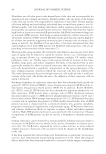
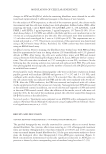
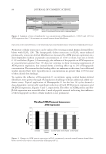
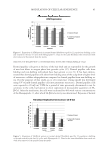
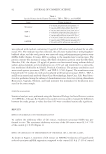
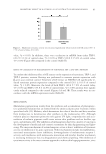
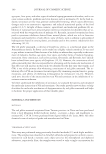
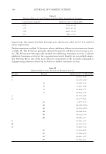
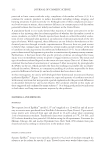
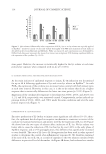
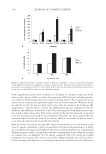
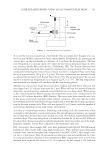
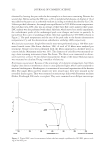
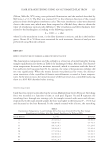
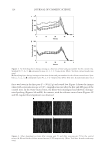
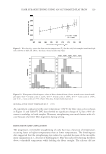
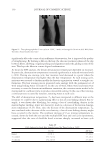
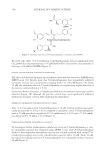
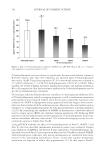
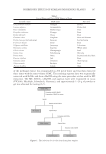
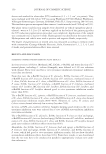
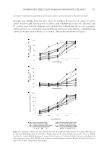
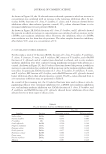
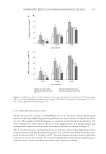
JOURNAL OF COSMETIC SCIENCE 92 was replaced with medium containing 10 μg/ml of GE extract and incubated for an addi- tional 24 h. The medium was then removed, the cells were washed twice with phosphate- buffered saline, and the total protein was extracted using radioimmunoprecipitation assay (RIPA) buffer (Sigma, St Louis, MO) according to the manufacturer’s instructions. The protein content was measured, using a Bio-Rad colorimetric protein assay kit (Bio-Rad, Hercules, CA). An aliquot (30 μg/μl) of protein was fractionated using sodium dodecyl sulfate–polyacrylamide gel electrophoresis on a 10% gel and transferred to a nitrocellu- lose membrane (Schleicher & Schuell, Postfach, Germany). The primary antibodies used were raised against tyrosinase, TRP-1, and TRP-2 (1:500 Sigma). The membranes were blocked with 5% nonfat dry milk and incubated with human tyrosinase, TRP-1, TRP-2, and β-actin monoclonal antibody (Santa Cruz Biotechnology, Santa Cruz, CA). Band detec- tion was performed using the enhanced chemiluminescence detection system (Amersham Biosciences, Uppsala, Sweden), and band intensity was normalized to the β-actin mea- sured in the same sample. STATISTICAL ANALYSIS Statistical analyses were performed using the Statistical Package for Social Sciences version 11.0 (SPSS Inc., Chicago, IL). Student’s two-tailed t-test was used to evaluate the differences between the study groups. p-values less than 0.05 were considered statistically signifi cant. RESULTS EFFECTS OF GE EXTRACT ON TYROSINASE ACTIVITY To confi rm the inhibitory effect of GE extract, mushroom tyrosinase ELISA was per- formed in vitro. The tyrosinase inhibitory activities of the GE extract were 69.3 ± 7.2% of the control (p 0.05) (Figure 1). EFFECT OF GE EXTRACT ON THE EXPRESSION OF TYROSINASE, TRP-1, AND TRP-2 mRNA As shown in Figure 2, treatment of GE extract on HM3KO melanoma cell signifi cantly reduced tyrosinase mRNA expression compared to the control (43.8 ± 17.4% of control Table I Specifi c Primers for the Human Tyrosinase, TRP-1, TRP-2s, and GAPDH Gene Primer sequences Tyrosinase 5′-TTGGCAGATTGTCTGTAGCC-3′ 5′-AGGCATTGTGCATGCTGCTT-3′ TRP-1 5′-AGAGATGATCGCGAGGTCTG-3′ 5′-CTGTGCCATGTGAGAAAAGC-3′ TRP-2 5′-AGAGATGATCGCGAGGTCTG-3′ 5′-CTGTGCCATGTGAGAAAAGC-3′ GAPDH 5′-GGCCAGCTTTCAGGCAGAGGT-3′ 5′-TGGTGCTTCATGGGCAAAATC-3′

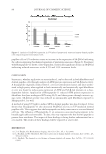
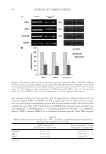
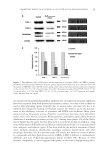
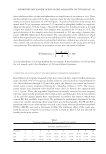
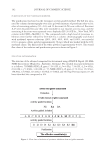
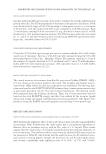
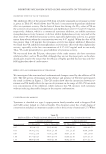
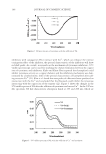
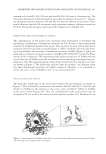
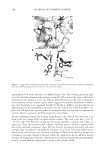
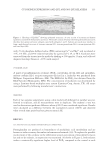
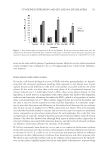
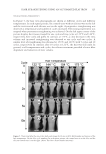
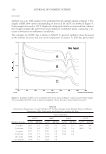
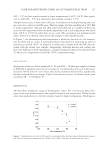
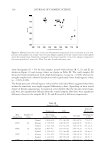
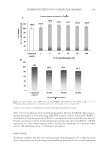
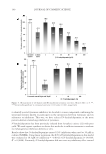
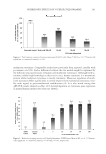
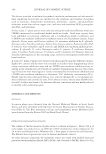
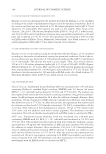
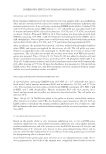
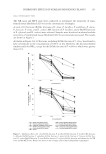
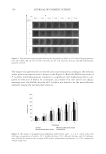
INHIBITORY EFFECT OF GASTRODIA ELATA EXTRACT ON MELANOGENESIS 93 value, *p 0.05). In addition, there was a reduction in mRNA from either TRP-1 (45.2 ± 12.3% of control value, *p 0.05) or TRP-2 (38.6 ± 15.9% of control value, *p 0.05) (Figure 2B) compared to the control (Table II). EFFECT OF GE EXTRACT ON THE EXPRESSION OF TYROSINASE, TRP-1, AND TRP-2 PROTEINS To confi rm the inhibitory effect of GE extract on the expression of tyrosinase, TRP-1, and TRP-2 proteins, western blotting was performed to measure protein expression with β-actin as an internal control. Treatment of GE extract on HM3KO cell signifi cantly re- duced tyrosinase protein expression compared to the control (26.1 ± 10.1% of control value, *p 0.05). Moreover, the levels of both TRP-1 (60.6 ± 7.9% of control value, *p 0.05) and TRP-2 (35.8 ± 12.8% of control value, *p 0.05) proteins were signifi - cantly reduced compared to the control (Figures 3A and 3B). These results were in con- cordance with the mRNA expression results (Table II). DISCUSSION Mammalian pigmentation results from the synthesis and accumulation of photoprotec- tive epidermal melanins that are formed from the amino acid precursor l-tyrosine within specialized cells (22). Melanin, which determines the color of the skin and hair, transfers from melanocytes to keratinocytes after synthesis in the melanosomes (23). Although melanin plays an important protective role against UV light, overproduction and accu- mulation of melanin pigment could create serious skin problems such as freckles, age spots, and melasma (24). The inhibition of melanogenesis has been a matter of concern in the development of medicinal and cosmetic treatments for skin depigmenting and light- ening. The major mechanism of antimelanogenic action is direct inhibition of tyrosinase activity or inhibition of its gene expression. Other mechanisms include microphthalmia- associated transcription factor inhibition, downregulation of melanocortin receptor 1 activity, and interference with melanosome maturation and transfer. Another mechanism is increasing melanocyte loss via desquamation and chemical peeling. The inhibition of tyrosinase activity is the most common approach to achieve skin hypopigmentation, since Figure 1. Mushroom tyrosinase activity was decreased signifi cantly when treated with GE extract (69.7 ± 7.2% of control value, *p 0.05).
Purchased for the exclusive use of nofirst nolast (unknown)
From: SCC Media Library & Resource Center (library.scconline.org)