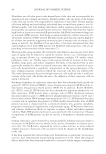
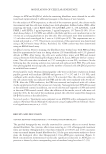
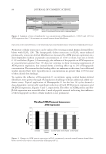
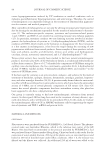
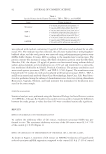
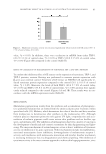
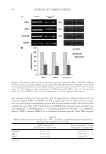
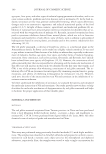
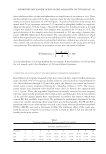
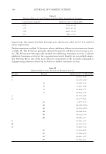
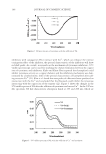
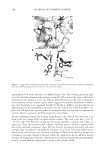
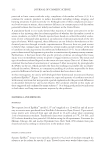
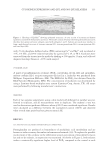
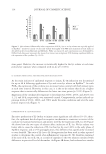
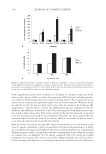
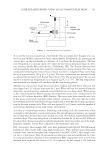
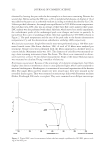
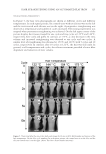
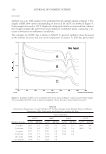
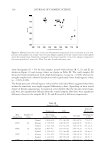
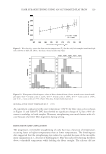
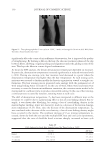
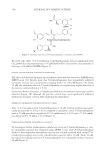
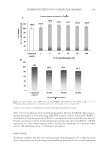
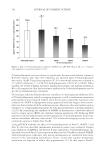
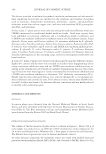
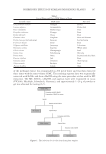
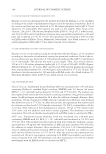
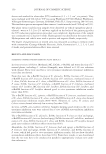
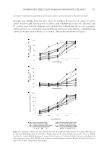
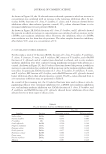
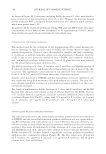
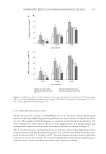
JOURNAL OF COSMETIC SCIENCE 94 this enzyme catalyzes the rate-limiting step of pigmentation. Human melanocytes are known to express TRP-1 and TRP-2 as well as tyrosinase (25–27). These proteins consti- tute a specifi c family of membrane proteins that are structurally related, but with distinct enzyme functions (28). TRP-2 functions as a DOPAchrome tautomerase and catalyzes the rearrangement of DOPAchrome to 5,6-dihydroxyindole-2-carboxylic acid (DHICA), whereas TRP-1 oxidizes DHICA to a carboxylated indole-quinone. Both TRP enzymes Figure 2. The inhibitory effect of GE extract on the expression of tyrosinase, TRP-1, and TRP-2 mRNA. (A) The tyrosinase gene family mRNA was measured by RT-PCR. (B) Treatment of HM3KO cells with GE extract signifi cantly reduced tyrosinase mRNA expression compared to the control (43.8 ± 17.4% of control value, *p 0.05). Moreover, there was reduction in mRNA from either TRP-1 (45.2 ± 12.3% of control value, *p 0.05) or TRP-2 (38.6 ± 15.9% of control value, *p 0.05) compared to the control. Table II mRNA and Protein Expression of Tyrosinase, TRP-1, and TRP-2 in HM3KO Melanoma Cells Treated with GE Extract Compared to the Control mRNA expression by RT-PCR (% of control value) Protein expression by western blotting (% of control value) Tyrosinase 43.8 ± 17.4* 26.1 ± 10.1* TRP-1 45.2 ± 12.3* 60.6 ± 7.9* TRP-2 38.6 ± 15.9* 35.8 ± 12.8* *p 0.05.

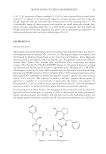
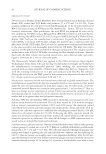
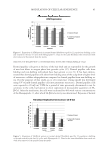
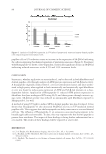
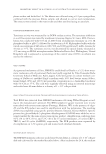
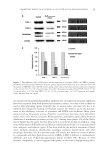
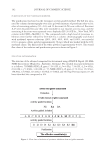
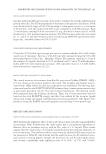
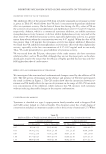
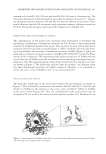
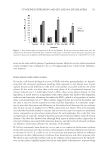
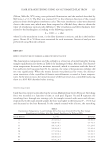
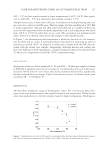
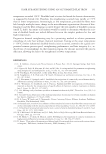
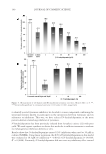
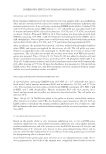
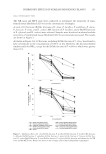
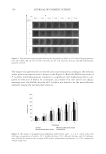
INHIBITORY EFFECT OF GASTRODIA ELATA EXTRACT ON MELANOGENESIS 95 are involved in the melanin biosynthetic pathway (29). A number of tyrosinase inhibitors have been reported from both natural and synthetic sources, but only a few of them are used as skin-whitening agents, primarily due to various safety concerns (30). Lee et al. reported the biological screening of 100 plant extracts for cosmetic use by the measure- ment of the inhibitory activities of tyrosinase and DOPA auto-oxidation. Many plant extracts such as Chaenomeles speciosa, Dryopteris crassirhizoma, Gastrodia elata, Glycyrrhiza glabra, Morus alba, Myristica fragrans, Rheum palmatum, and Sophora japonica have shown an inhibition of mushroom tyrosinase activity (31). Among these plants, GE of the Orchi- daceae family was the agent that has been used as a medicine in Asia. In addition, it has been widely used in folk medicine and Korean traditional medicine (32) as an anticonvul- sant, analgesic, and sedative agent. It has been used for the medical treatment of head- aches, epilepsy, dizziness, rheumatism, neuralgia, paralysis, hypertension, and other neurologic disorders (33). In a previous study, GE extract was shown to consist of pheno- lic compounds and their derivatives such as 4-HBA, 4-HD, 4-hydroxy-3-methoxybenz- aldehyde, and GA [4-(β-d-glucopyranosyl) benzyl alcohol] (34). Because of these phenolic compounds, it can be suggested this plant can also have a depigmenting effect. Figure 3. The inhibitory effect of GE extract on the expression of tyrosinase, TRP-1, and TRP-2 proteins. (A) Western blotting was performed to measure protein expression with β-actin as an internal control. (B) Treatment of HM3KO cells with GE extract signifi cantly reduced tyrosinase protein expression compared to the control (26.1 ± 10.1% of control value, *p 0.05). Moreover, the levels of both TRP-1 (60.6 ± 7.9% of control value, *p 0.05) and TRP-2 (35.8 ± 12.8% of control value, *p 0.05) proteins were signifi - cantly different from the control.
Purchased for the exclusive use of nofirst nolast (unknown)
From: SCC Media Library & Resource Center (library.scconline.org)