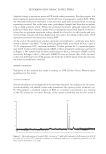
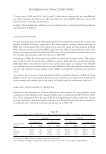
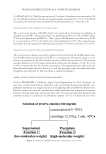
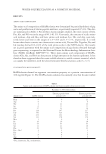
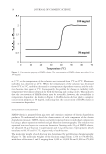
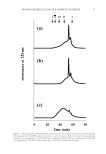
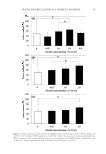
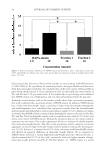
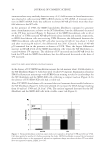
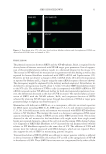
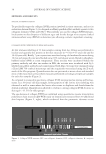
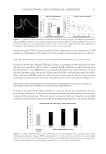
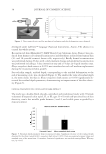
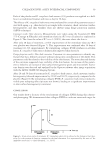
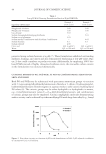
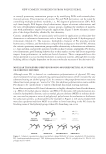
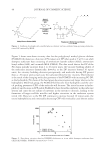
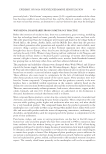
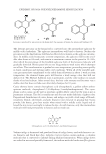
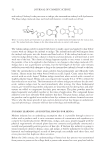
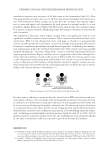
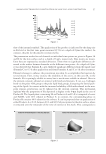
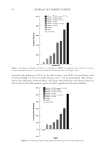
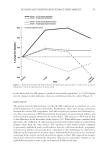
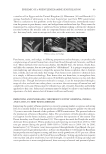
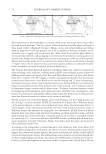
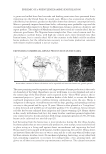
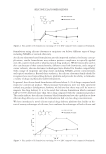
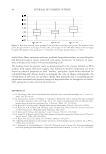
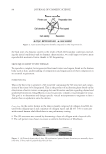
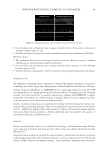
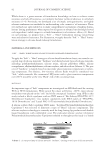
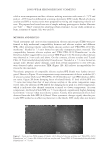
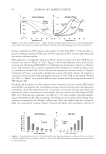
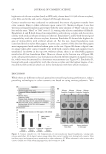
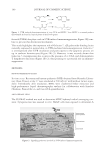
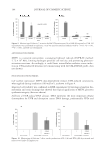
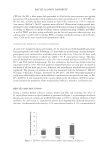
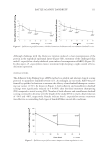
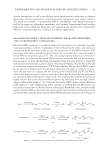
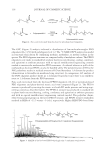
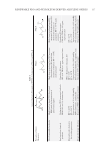
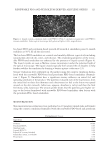
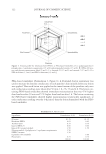
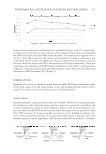
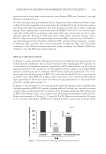
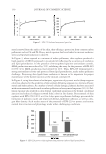
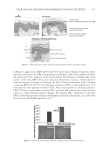
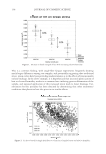
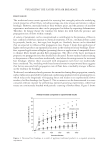
UROCANIC ACID MIMIC AS SUNSCREEN 103 plates at 150,000 cells/well 2 days before activation with ionomycin and phorbol-12 myristate-13 acetate (Sigma) and stress application: treatment with various concentra- tions of recombinant human Galectin7 (Biotechne) for 24 h. Specifi c IL-2 and interferon (IFN)-γ cytokines were further monitored by ELISA quantifi cation (Biotechne). RESULTS UVB-ABS ORPTION PROPERTIES OF MTPC Absorption spectrum and molar extinction coeffi cient. MTPC shows an important absorption in the UVB range [280–320 nm], with a maximum at 284 nm. Its molar extinction coef- fi cient at 290 nm (13,150 L/mol/cm) is comparable to some listed Category I sun fi lters. Absorption spectrum of trans UCA is quite similar to MTPC, indicating that in the skin, these compounds may compete for the absorption of similar UVB wavelengths. Limitation of UCA isomerisation. UCA is produced in the stratum granulosum from the degradation of fi laggrin, and accumulates mainly in the stratum corneum. In human epidermis, UCA levels range from 4 to 34 nM/cm2 (4). Competition for UVB absorption was fi rst examined in tubo irradiating equimolar mixtures of UCA and MTPC, a ratio that can easily be attained after topical application of MTPC considering UCA very superfi cial localization. In such conditions, UCA isomerisation into cis UCA was halved (data not shown). Trans MTPC (Entadamide A) could also limit UCA isomerisation, but was less potent (data not shown). We further confi rmed these observations in vitro by the monitor- ing of UCA isomerisation in UVB-irradiated reconstituted human epidermis (RHE) in the presence of topical MTPC (Figure 3). Figure 7. Monitoring of pro-infl ammatory cytokines IL-8 (A) and TNFα (B) release from UVB-irradiated RHE topically treated with MTPC. Figure 8. Inhibition of 5-LOX activity by Entadamide A (trans isomer of MTPC).

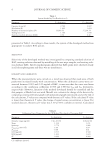
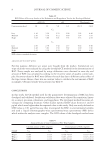
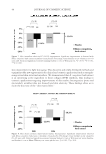
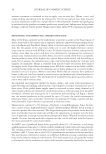
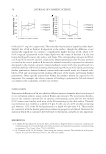
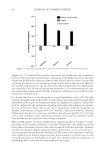
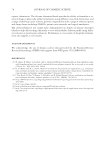
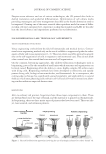
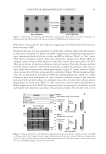
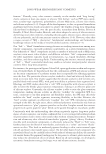
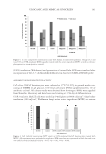
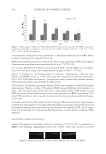
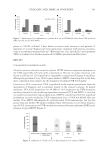
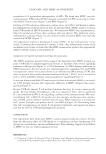
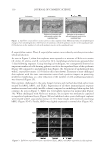
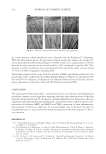
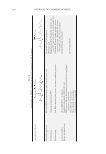
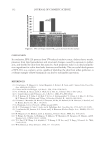
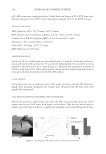
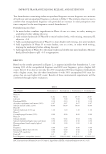
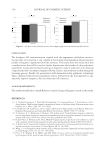
JOURNAL OF COSMETIC SCIENCE 104 ANTIOXIDANT PROPERTIES MTPC is a versatile antioxidant, scavenging hydroxyl radicals (CUPRAC method: 5.72 × 10⁹ M/s), limiting hydrogen peroxide cell toxicity, and preventing photosen- sitization reactions. Accordingly, it could limit intracellular oxidative stress induc- tion in UVA-irradiated keratinocytes (monitoring with the CM-DCFDA probe, data not shown). PHOTOPROTECTIVE PROPERTIES Cell viability improvement. MTPC dose-dependently reduces UVB-induced cytotoxicity, when applied during irradiation (100 mJ/cm2), as shown in Figure 4. Improved cell viability was confi rmed in RHE experiments by histological analysis (he- motoxylin and eosin staining) that showed that topical application of MTPC preserves epidermis integrity (data not shown). Inhibition of UVB-induced DNA damages. DNA represents the most important cellular chromophore for UVB and absorption causes DNA damage, preferentially CPDs and Figure 9. Monitoring of Galectin-7 secretion by HaCaT keratinocytes (A) or RHE (B) exposed to UVB. All experiments were performed in triplicates. t-test was used for statistical analysis with *p 0.05, **p 0.01, ***p 0.001, and ND: not determined. Figure 10. Monitoring of Galectin-7 effect on the production of IL-2 (A) and IFN-γ (B) by activated and nonactivated jurkat T lymphocytes.
Purchased for the exclusive use of nofirst nolast (unknown)
From: SCC Media Library & Resource Center (library.scconline.org)