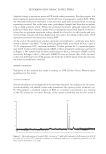
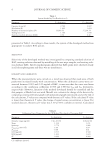
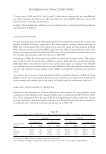
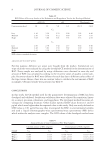
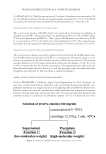
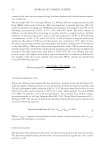
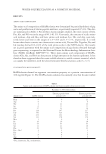
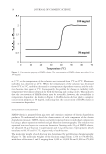
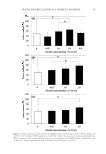
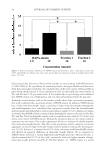
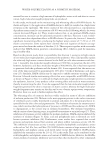
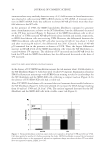
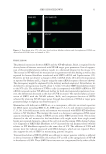
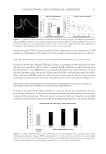
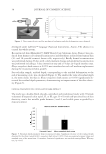
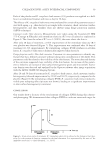
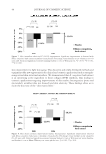
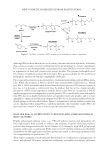
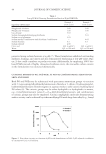
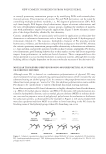
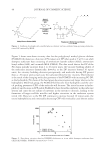
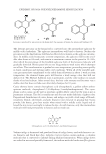
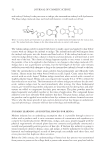
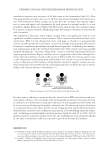
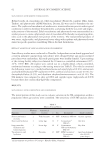
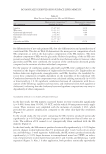
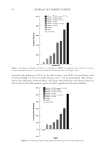
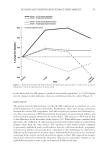
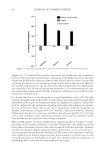
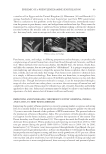
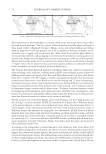
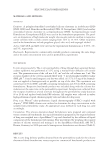
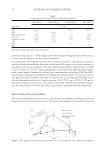
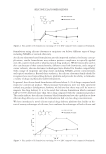
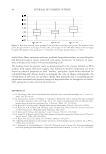
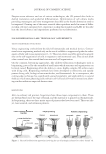
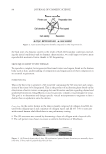
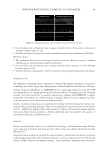
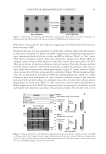
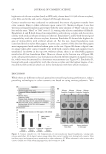
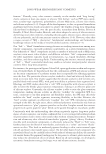
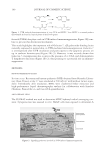
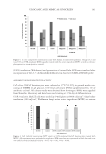
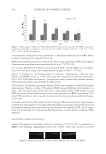
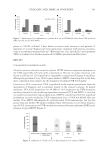
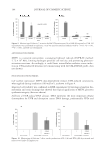
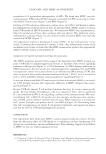
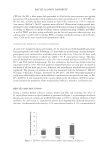
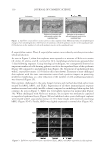
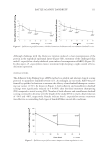
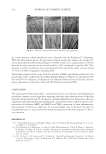
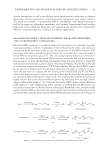
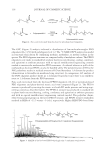
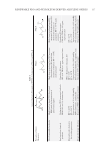
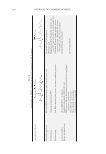
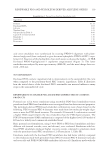
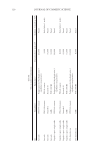
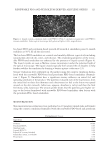
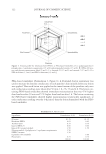
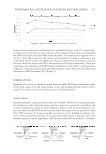
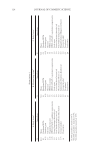
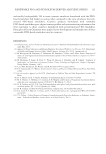
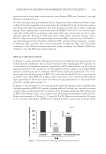
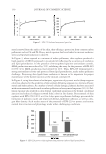
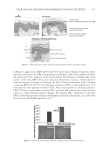
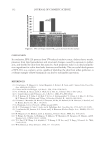
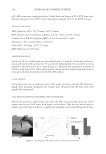
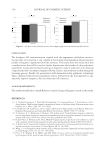
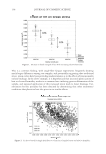
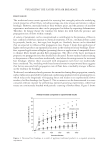
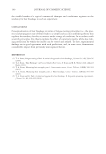
BOTANICALLY DERIVED SKIN SURFACE LIPID MIMETIC 63 for differentiation of not only primary SSLs but also differentiation and quantifi cation of constituent FAs. The data in Table II demonstrate the mean percent composition of each SSL component, as well as the skin surface composition of the SSL mimetic. The most abundant component of SSLs was the glycerides. Relatively speaking, of the six SSL com- ponents evaluated, FFAs and cholesterol varied the most between subjects however, when glycerides and FFAs were combined, the variation of the combination decreased greatly compared to the variation of either individual component. For the purpose of correlation analysis, glycerides and FFA were combined due to the variation in the degree of hydrolysis of triglycerides by bacteria (20). Triglycerides are broken down into diglycerides, monoglycerides, and FFA therefore, the variability be- tween these components is highly dependent on the microfl ora of the individual (16). Correlations between the fi ve components were calculated yielding statistically ( p 0.05) or directionally (p 0.10) signifi cant correlations between all components with the ex- ception of the following: squalene and wax esters, and cholesteryl esters with squalene or cholesterol, indicating that the cholesteryl ester and squalene compositions may vary in- dependently of other components. SSL MIMETIC EFFICACY (3%) WHEN APPLIED TOPICALLY In the fi rst study, the SSL mimetic increased barrier recovery statistically signifi cantly ( p 0.001) better than 3% OO, 3% CCT, and the vehicle 60 min posttest article appli- cation. These increases were amplifi ed with the inclusion of ceramide 2 (C2), which provided the greatest amplifi cation compared to the other skin-lipid-like emollients (Figure 1). In the second study, the test article containing the SSL mimetic produced statistically signifi cantly ( p 0.05) higher percent changes in skin hydration than all other test ar- ticles. The addition of C2 seemed to act synergistically when combined with the SSL mimetic (Figure 2). In the third study, the SSL mimetic produced statistically signifi cantly (p 0.05) higher percent changes in skin hydration than 3% petrolatum after 1 and 2 weeks of test article use, and following a 1-week regression. Additionally, the SSL mimetic produced statistically signifi cantly ( p 0.05) larger decreases in transepidermal water loss (TEWL an indica- tion of improvement in skin barrier function) after 1 and 2 weeks, and following a 1-week regression (Figure 3). Also, 1 h after application, both products statistically equivalently Table II Mean Percent Composition for SSLs and SSL Mimetic SSL component Mean percent composition ± standard deviation Mean percent composition of SSL mimetic Squalene 15.6 ± 4.8 14.10 Wax esters 15.2 ± 3.2 18.40 Cholesterol (phytosterol) 0.6 ± 0.4 0.40 Cholesteryl esters (steryl esters) 2.1 ± 0.6 1.90 Glycerides 50.3 ± 12.5 FFAs 16.2 ± 10.2 Glycerides and FFAs 66.5 ± 6.2 65.20

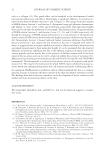
JOURNAL OF COSMETIC SCIENCE 64 increased skin hydration (44.1% for the SSL mimetic and 48.8% for petrolatum) and decreased TEWL (-8.2% for the SSL mimetic and -7.1% for petrolatum). This demon- strates the difference between short- and long-term hydration and barrier function effects between the SSL mimetic and an occlusive ingredient such as petrolatum. Figure 2. Evaluation of short-term skin hydration 4 h posttest article application. Figure 1. Evaluation of barrier recovery (i.e., reduction in TEWL as compared to the same test site after acetone treatment but prior to test article treatment) 60 min posttest article application.
Purchased for the exclusive use of nofirst nolast (unknown)
From: SCC Media Library & Resource Center (library.scconline.org)