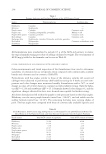
JOURNAL OF COSMETIC SCIENCE 234 associated with photosensitization-induced cheilitis or infl ammation of the mouth (3). Azo dyes are frequently associated with contact dermatitis, especially with repeat expo- sure (4). Azo dyes, such as D&C Red #6, D&C Red #7, and FD&C Yellow #5, are some of the most commonly used organic pigments in lipstick formulations (5). Carmine (CI 75470), a natural source of color in cosmetics, has also been shown to produce contact dermatitis on the lips and skin of sensitive populations (6,7). The combination of concerns with synthetic colorants and an increase in consumer demands for more “natural” ingredients in cosmetics makes fi nding plant-derived alternatives a necessity (8). One such alternative color source is a group of water-soluble fl avonoids known as antho- cyanins (ACN) (9). ACNs are responsible for many of the red, purple, and blue shades found in fruits and vegetables. Although ubiquitous in nature, there are six common aglycones, namely, cyanidin, delphinidin, malvidin, pelargonidin, peonidin, and petunidin, with various types of glycosylation and acylation. They have been frequently used in the food industry as a natural colorant source (10). Their use as alternatives to synthetic colorants, such as FD&C Red #40 (CI 16035) (11), FD&C Red #3 (CI 45430), and FD&C Blue #2 (CI 73015) (12), has also been proposed. Moreover, the interest in their use as colorants has also been fueled by a desire to fi nd uses for waste by-products of the agriculture in- dustry, such as grape skins from the wine industry (13,14). The stability and color of ACNs is infl uenced by many factors including pH, tempera- ture, light exposure, and interactions with other compounds (15). Substitutions on the B-ring of ACNs and the presence of additional hydroxyl or methoxyl groups infl uence their stability (16). However, ACN sources with additional glycosylations and acylations have been shown to exhibit high resistance to these degradation factors (11). ACNs have also gained increased interest because of their potential health benefi ts, such as their potent antioxidant properties (11). Therefore, their use in cosmetics may replace ingredients of concern to consumers with potentially health-promoting bioactive pig- ments. To date, most of the research surrounding the use of ACNs has been focused on aqueous food systems (17). The potential of certain ACN sources to match the colors typically used in lipstick formulations makes them an attractive alternative to synthetic colorants. The aim of this study was to investigate the potential use of ACN extracts as natural colorants in lipstick formulations by evaluating their ability to produce shades of lipstick of commercial relevance, as well as their color stability during accelerated environmental testing as viable alternatives to synthetic lipstick colorants. Nonacylated cyanidin–based and acylated cyanidin–based sources, such as elderberry (Sambucus nigra L.), purple carrot (Daucus dacota L), purple corn (Zea mays L.), purple sweet potato (Ipomoea batatas L.), and red cabbage (Brassica oleracea L.), were chosen because of their vast abundance in nature and high stability (18). Hibiscus (Hibiscus sabdariffa L.), a source of nonacylated delph- inidin, was chosen because of its reported high antioxidant activity (19). Red radish (Raphanus sativus L.), a source of acylated pelargonidin, was chosen because of its reported stability and potential as an alternative to synthetic red colorants (20). Strawberry (Fragaria x ananassa), a source of nonacylated pelargonidin, was used for a comparison of acylation effects in pelargonidin (21). Red grape (Vitis vinifera L.), which contains all six aglycones, was also investigated to better understand the effect of chemical structure on color stability.

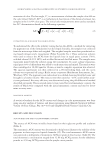
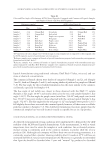
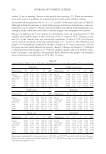
ANTHOCYANINS AS NATURAL ALTERNATIVES TO SYNTHETIC COLORS FOR LIPSTICK 235 MATERIALS AND METHODS MATERIALS Elderberry, hibiscus, purple carrot, purple sweet potato, red cabbage, and red radish dried extracts were provided by DD Williamson & Co., Inc. (Louisville, KY), the strawberry dried extract was provided by FutureCeuticals Inc. (Momence, IL), and the purple corn and red grape skin dried extracts were provided by Artemis International (Fort Wayne, IN). The base of the lipstick formulations and the colorants, D&C Red #6 and #7 (CI 15850), Mica Red, and Carmine (CI 75470), were purchased from MakingCosmetics, Inc. (Snoqualmie, WA). Five commercial brands of lipstick containing synthetic colorants and one brand containing natural colorants were purchased from a local department store (Columbus, OH). Black lip balm containers were purchased from a local company, Bulk Apothecary (Streetsboro, OH). Glass slides were purchased from Fisher Scientifi c Inc. (Fair Lawn, NJ). Reagents used were acetone, ethanol, and methanol and were purchased from Fisher Scientifi c Inc. SPECTROPHOTOMETRIC ANALYSIS OF THE TOTAL MONOMERIC CONTENT The total monomeric ACN content for the extracts was measured in 1-cm cuvettes using a spectrophotometer (Shimadzu UV-2450 Spectrophometer, Kyoto, Japan) by the pH- differential method as described by Giusti and Wrolstad (22). The absorbance at pH 1.0 was determined for the extracts using a potassium chloride buffer with HCl after a 15-min equilibration time. The absorbance at pH 4.5 was determined for the extracts using a sodium acetate buffer with HCl after a 15-min equilibration time. The ACN content, expressed as cyanidin-3-glucoside, was determined using the following equation: pH 1.0 pH 4.5 Abs Abs DF mg¬ Total monomeric anthocyanin content l q q1,000 ® qd ε (1) Where M W = molecular weight of the major ACN present, DF = dilution factor, ε = molar absorptivity of the major ACN present, and d = path length (1 cm). Results were then used to determine the ACN content in the dried extract powder based on initial weights and were recorded as mg/g. LIPSTICK FORMULATIONS Formulations were based on the recommendations in the Society of Cosmetic Chemists Monograph Number 8: Lipstick Technology (5). All dried extracts were incorporated as 8% of the fi nal weight (w/w) of each lipstick formulation based on the preliminary data. The dried extracts were initially weighed out and subjected to a grinding process with a mortar and pestle before being added to the lipstick manufacturing. The formulations underwent a wet grinding process in which castor oil was used in a 1:3 ratio (pigment:oil), and silica was included at 1% of the fi nal weight (w/w), to increase uniformity in the fi nal products. Initially, the lipstick base was weighed and placed i n a water bath at 70°C with gentle stirring until completely melted. The preground dried extracts were then poured
Purchased for the exclusive use of nofirst nolast (unknown)
From: SCC Media Library & Resource Center (library.scconline.org)