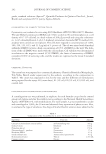
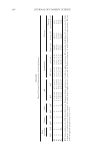
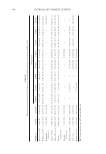
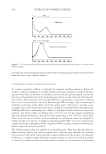
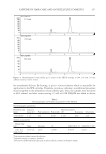
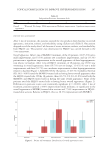
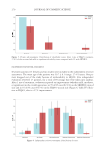
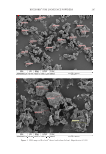
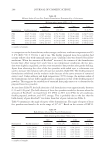
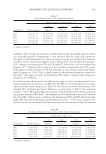
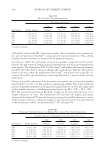
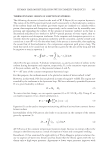
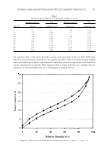
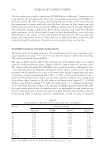
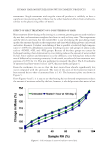
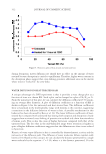
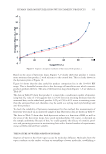
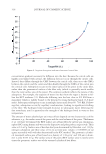
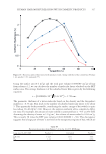
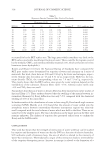
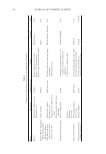
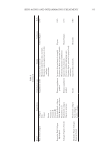
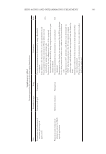
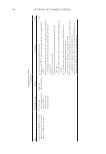
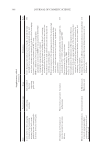
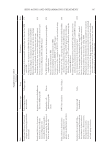
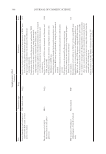
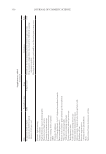
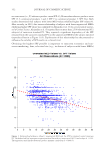
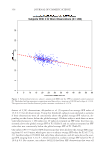
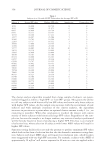
JOURNAL OF COSMETIC SCIENCE 356 dataset of 2,503 observations, Alejandria et al. (5) reported an average SPF value of 15.6 ± 2.5 for all observations. Using this threshold, subjects were declared as extreme if their observations were all consistently above the global average SPF value (or, de- pending on the cluster, below the global average). Of those subjects with three or more valid observations (n = 286 subjects), 29 subjects returned an SPF value that was con- sistently above the global average SPF of P2 (Table I) and six subjects returned an SPF value that was consistently below the global average SPF of P2 (Table II). One sub ject (#53777) had 10 SPF observations that were all above the average SPF, rang- ing from 0.5 to 6.0 units, which gave rise to a subject average SPF value for P2 of 17.5 ± 2.0. Another subject (#81609) had only three observations, and all were above the aver- age SPF, ranging from 3.2 to 4.7, which resulted in a subject average SPF value for P2 of 19.8 ± 0.9. By contrast, one subject (#61224) had four SPF observations that were all Figure 3 . Relationship between a subject’s unprotected MED and the SPF for standard control sunscreen P2. The dashed red line represents a regression trend line with a y intercept of 18.098 and a slope of -0.116. The regression trend line has Pearson’s product moment correlation of -0.478.

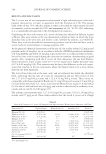
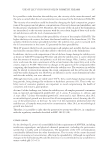
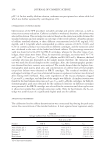
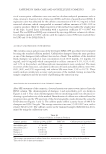
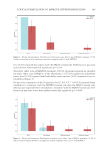
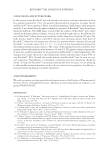
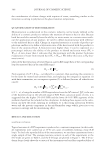
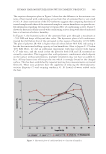
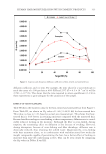
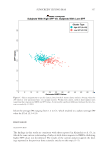
SUNSCREEN TESTING BIAS 357 below the average SPF, ranging from 1.2 to 6.5, which resulted in a subject average SPF value for P2 of 12.3 ± 2.6. DISCUSSION SELECTION BIA S The fi ndings in this study are consistent with those reported in Alejandria et al. (5), in which the same inverse relationship of subjects with lower unprotected MEDs exhibiting higher SPF values was determined. The results of the current analysis support the fi nd- ings reported in the previous three scientifi c articles on this topic (3–5). Figure 4. Su b ject assignments to specifi c clusters, based on the k-means cluster analysis. Average values for 286 subjects were partitioned into two optimal clusters. Within each cluster, subjects share similar traits regarding their unprotected MED and SPF values. A statistically signifi cant difference between the two clus- ters is revealed (p 0.001).
Purchased for the exclusive use of nofirst nolast (unknown)
From: SCC Media Library & Resource Center (library.scconline.org)