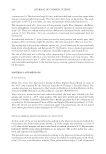
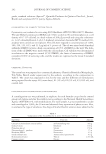
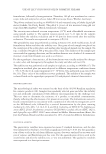
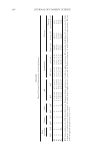
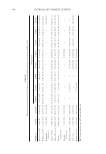
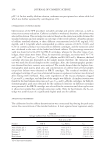
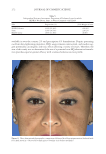
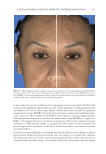
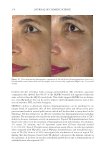
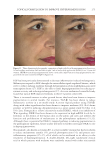
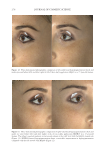
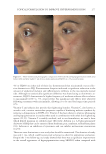
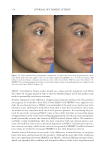
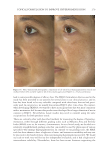
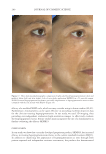
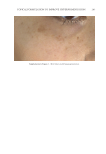
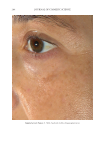
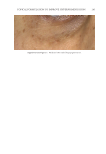
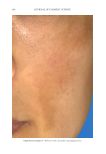
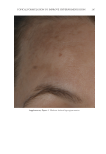
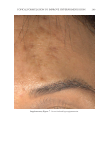
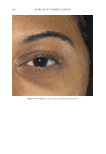
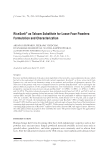
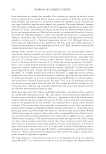
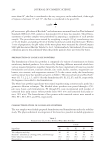
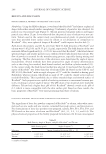
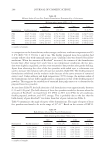
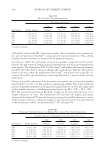
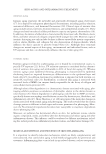
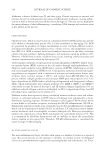
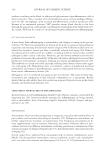
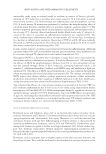
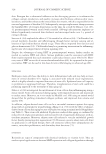
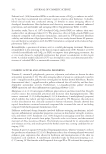
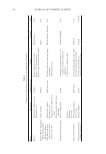
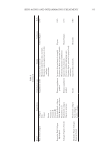
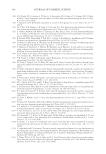
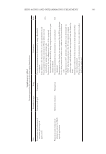
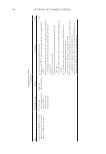
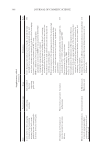
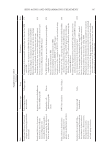
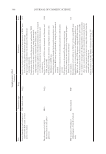
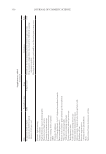
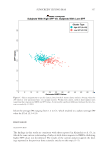
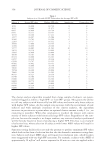
JOURNAL OF COSMETIC SCIENCE 266 study showed that it was well tolerated for use twice daily, whereas HQ4% was better tolerated nightly. All patients were instructed to apply a zinc oxide–based sunscreen to both sides of the face with sun protection factor 30 that was provided to them. A SSESSMENTS W e assessed hyperpigmentation at baseline (before treatment) and at 1 mo after treat- ment initiation using both patient self-assessment and independent reviewer assessments. Patients used a 5-point scale to self-assess their overall appearance, in each case a higher score denoted a better outcome. Patients also used a 4-point scale to assess redness, irrita- tion, and tolerability to the skin-brightening creams (Table I). For the patient self-assess- ment, a Wilcoxon signed-rank test was used to test whether there was a statistical difference between the two treatments in overall appearance, irritation, redness, and tol- erability. T hree-dimensional imaging was performed before treatment and again 1 mo follow- ing treatment initiation using a standardized Canfi eld Vectra 3D imaging system (Canfi eld Scientifi c Inc., Parsippany, NJ). The study used fi ve independent reviewers comprising two dermatologists, two facial plastic surgeons, and one oculoplastic surgeon. Each reviewer was blinded to the study treatment, assessed the images pre- and posttreatment, and graded the appearance of each side on overall appearance (see Supplementary Figures 1–8 for independent reviewer grading scale). The grading scale was as follows: -1 indicating worsened appearance, 0 indicating no change, 1 indicating mild improvement, 2 indicating moderate improvement, and 3 indicating signifi cant improvement (Table II). In addition, the independent reviewers also performed a qualitative comparative assess- ment of the sides treated with each cream and noted the “better overall” side. A Wilcoxon signed-rank test was used to test whether there was a statistical difference in overall ap- pearance between SKNB19- and HQ4%-treated sides. RES ULTS Eig hteen patients (16 females and two males) met the inclusion criteria and were en- rolled in the study. The mean age of the patients was 38.8 (±9.7) years (range: 23–61 years). Table I Patient Self-Assessment Survey Scale Score -1 0 1 2 3 Overall appearance Worsened No change Mild improvement Moderate improvement Signifi cant improvement Irritation — None Mild irritation Moderate irritation Signifi cant irritation Redness — None Mild redness Moderate redness Signifi cant redness Tolerability — No issues Mild issues Moderate issues Severe intolerability

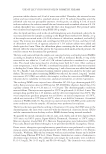
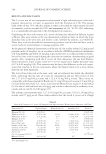
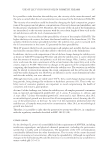
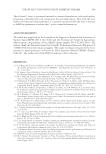
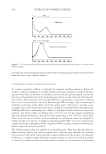
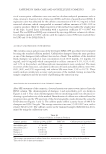
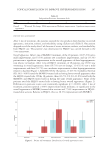
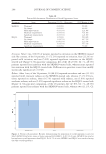
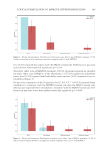
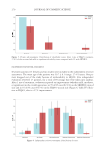
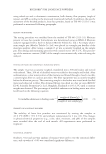
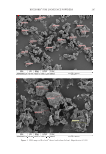
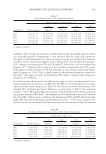
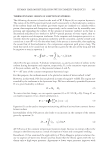
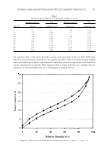
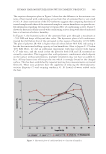
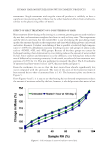
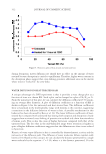
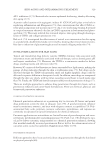
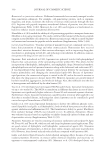
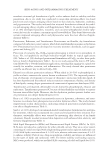
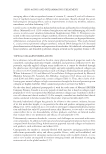
TOPICAL FORMULATION TO IMPROVE HYPERPIGMENTATION 267 PAT IENT SELF-ASSESSMENT Afte r 1 mo of treatment, the patients assessed the two products from baseline on overall appearance, irritation, redness, and tolerability using a Likert scale (Table I). One patient dropped out of the study after 2 wk because of severe irritation, redness, and intolerability from HQ4% use. This patient’s last observation for HQ4% was carried forward to the 1-mo assessment. Over all appearance. Aft er 1 mo of SKNB19 treatment, of the 18 patients, 18 (33.3%) saw a mild improvement, six (33.3%) patients saw a moderate improvement, and six (33.3%) patients saw a signifi cant improvement in the overall appearance of their hyperpigmenta- tion relative to baseline. After 1 mo of HQ4% treatment, of 18 patients, one (5.6%) saw worsening in overall appearance, three (16.7%) saw no change, 11 (61.1%) saw a mild improvement, and three (16.7%) saw a moderate improvement in their hyperpigmentation relative to baseline (Figure 1, Table III). Of the 18 patients, 15 (83.3%, Confi dence Interval (CI): 66.1–100%) rated the SKNB19-treated side as having better overall appearance than the HQ4%-treated side. Of the 18 patients, three (16.7%, CI: 0.0–33.9%) rated both the SKNB19- and HQ4%-treated sides as having the same overall appearance. None of the patients rated the HQ4%-treated side as having better overall appearance (Figure 2). Differences in pair-wise scores were statistically signifi cant (p = 0.001). After 1 mo of treatment, patients reported a 100% improvement (mild, moderate, or signifi cant) in the overall appearance of SKNB19-treated skin sections and 77.8% improvement in HQ4%- treated skin sections. Relative to HQ4%, this is a 28.5% improvement with SKNB19. Figure 1. Patient self-assessment: Distribution of overall appearance scores. Table II Independent Reviewer Assessment Scale Score -1 0 1 2 3 Overall appearance Worsened No change Mild improvement Moderate improvement Signifi cant improvement
Purchased for the exclusive use of nofirst nolast (unknown)
From: SCC Media Library & Resource Center (library.scconline.org)