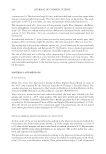
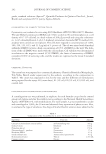
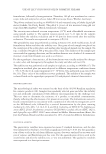
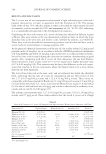
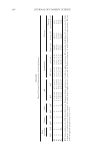
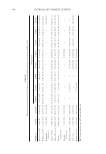
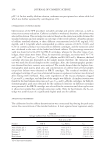
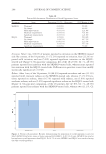
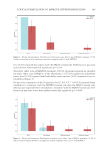
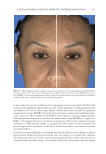
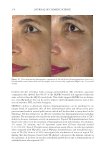
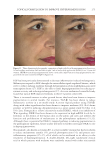
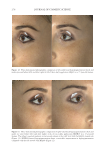
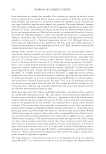
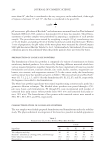
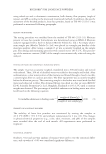
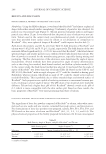
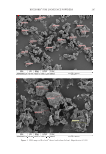
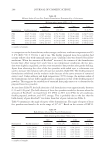
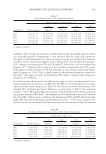
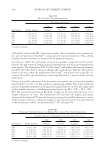
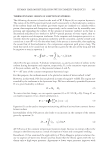
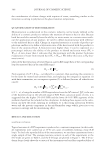
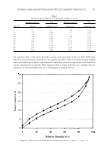
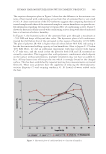
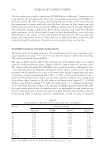
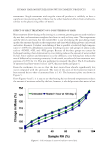
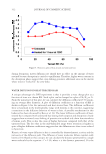
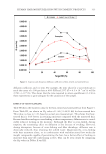
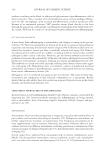
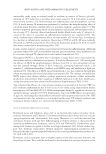
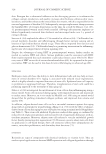
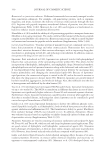
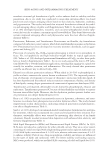
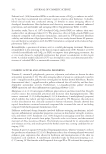
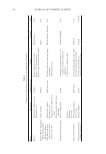
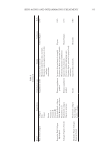
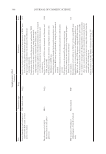
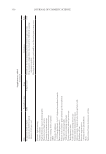
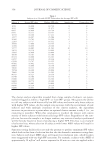
JOURNAL OF COSMETIC SCIENCE 268 Irri tation. Aft er 1 mo, 100.0% of patients reported no irritation on the SKNB19-treated side. By contrast, of the 18 patients, 13 (72.2%) reported no irritation, four (22.2%) re- ported mild irritation, and one (5.6%) reported signifi cant irritation on the HQ4%- treated side (Figure 3). On pair-wise comparison, fi ve of the 18 (27.8%, CI: 7.1–48.5%) patients reported less irritation with the SKNB19-treated side, whereas none reported less irritation with the HQ4%-treated side. Differences in pair-wise scores were mildly statistically signifi cant (p = 0.048). Redn ess. Aft er 1 mo, of the 18 patients, 16 (88.9%) reported no redness and two (11.1%) reported mild, transient redness on the SKNB19-treated side, whereas 13 (72.2%) pa- tients reported no redness, three (16.7%) reported mild redness, one (5.6%) reported moderate redness, and one (5.6%) reported signifi cant redness on the HQ4%-treated side (Figure 4). On pair-wise comparison, of the 18 patients, fi ve (27.8%, CI: 7.1–48.5%) patients reported less redness with the SKNB19-treated side, whereas two (11.1%, CI: Table III Patient Self-Assessment: Distribution of Overall Appearance Scores Treatment Score Proportion (%), N = 18 patients 95% Margin of error SKNB19 Worsened 0 (0.0%) ±0.0% No change 0 (0.0%) ±0.0% Mild improvement 6 (33.3%) ±21.8% Moderate improvement 6 (33.3%) ±21.8% Signifi cant improvement 6 (33.3%) ±21.8% HQ4% Worsened 1 (5.6%) ±10.6% No change 3 (16.7%) ±17.2% Mild improvement 11 (61.1%) ±22.5% Moderate improvement 3 (16.7%) ±17.2% Signifi cant improvement 0 (0.0%) ±0.0% Figure 2. Patient self-assessment: Bar plot demonstrating the proportion of overall appearance scores for which SKNB19 was better, same, or worse compared with HQ4%. In 83.3% of cases, SKNB19 was rated as having better overall appearance than HQ4%. In 16.7% of cases, SKNB19 and HQ4% were rated as having the same overall appearance.

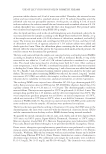
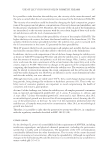
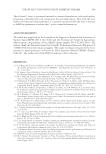
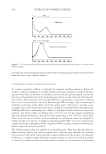
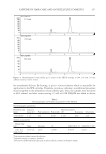
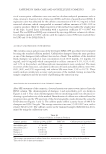
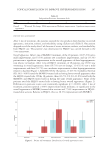
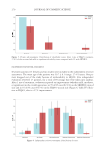
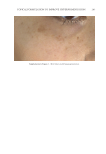
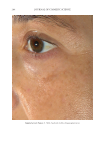
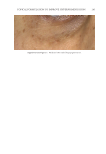
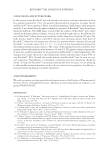
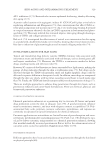
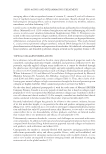
TOPICAL FORMULATION TO IMPROVE HYPERPIGMENTATION 269 0.0–25.6%) reported less redness with the HQ4%-treated side. Differences in pair-wise scores did not reach statistical signifi cance (p = 0.19). Tole rability. Aft er 1 mo of SKNB19 treatment, 100.0% of patients reported no tolerabil- ity issues. After 1 mo of HQ4%, of the 18 patients, 13 (72.2%) reported no tolerability issues, four (22.2%) reported mild tolerability issues and one (5.6%) reported severe in- tolerability (Figure 5). On p air-wise comparison, of the 18 patients, fi ve (27.8%, CI: 7.1–48.5%) reported better tolerability to treatment with the SKNB19-treated side than the HQ4%-treated side, whereas none reported better tolerability to treatment with the HQ4%-treated side. Dif- ferences in pair-wise scores were mildly statistically signifi cant (p = 0.048). Figure 3. Patient self-assessment: Distribution of irritation scores. After 1 mo of HQ4% treatment, 27.8% of skin sections had mild or signifi cant irritation compared with 0% with SKNB19. Figure 4. Patient self-assessment: Distribution of redness scores. After 1 mo of HQ4% treatment, 27.8% of skin sections had mild, moderate, or signifi cant redness compared with 11.1% with SKNB19.
Purchased for the exclusive use of nofirst nolast (unknown)
From: SCC Media Library & Resource Center (library.scconline.org)