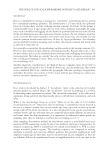
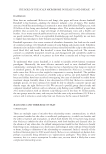
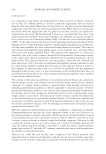
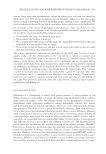
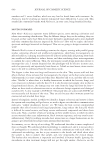
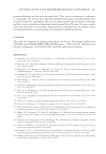
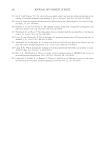
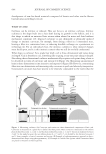
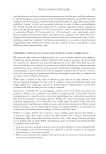
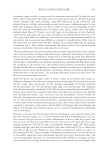
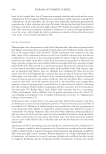
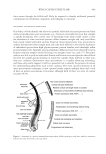
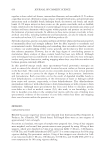
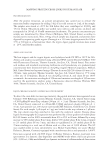
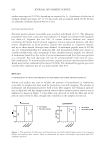
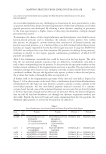
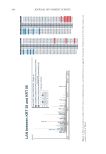
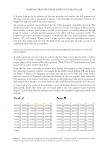
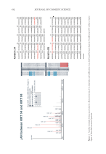
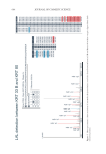
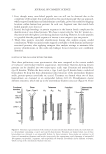
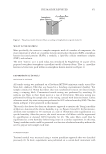
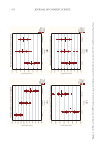
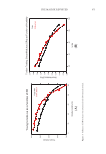
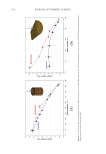
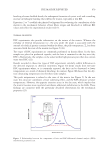
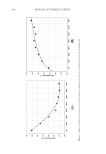
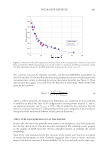
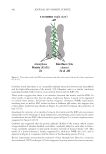
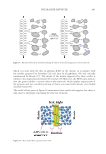
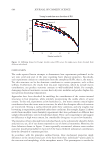
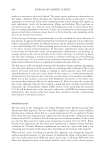
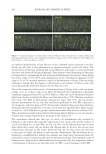
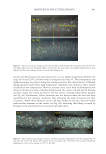
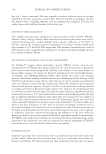
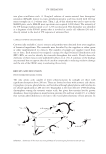
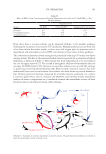
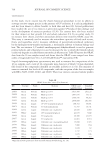
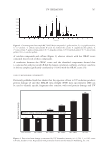
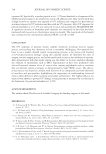
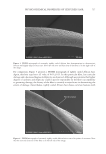
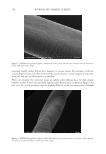
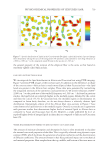
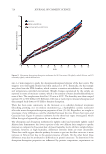
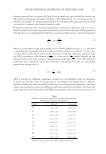
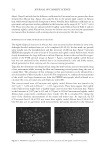
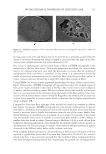
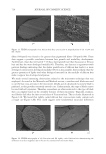
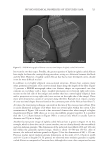
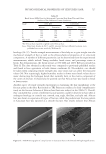
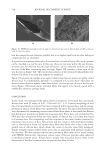
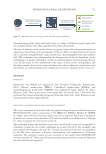
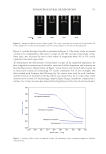
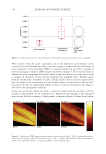
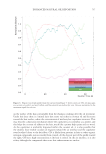
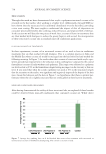
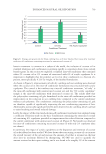
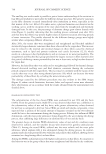
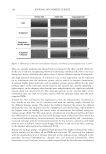
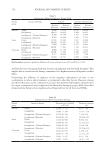
736 JOURNAL OF COSMETIC SCIENCE With evidence that the acrylic copolymers aid in the deposition and retention of the coconut oil on the bleached hair fibers, we next sought to understand the localization of each component on the hair fiber. SIMS is a powerful analytical tool that is capable of chemical imaging of surfaces. SIMS images are shown in Figure 5. The total ion image is influenced by the topography (left panel), which is why the cuticles are easily seen, as well as changes in chemistry. In this case the chemistry has negligible effect. Polymer signal from the methacrylate monomers (C 4 H 5 O 2, middle panel) is detected on all regions of the hair, but seems to be concentrated in some smaller regions, in particular on the top hair. Coconut oil (C 12 H 23 O 2 , right panel) appears to have a uniform distribution this image is affected by the topography of the hair. Using two ion beams, where one beam is used for analysis and the second is used for etching, a depth profile can be constructed to characterize any layering in the deposited layer on hair. For this treatment, a depth profile, as shown in Figure 6, shows lauryl sulfate Figure 5. Negative ion SIMS images from structured coconut oil treated hair. C4H5O2 is from methacrylates, and C12H23O2 is from coconut oil. The field of view is 200 × 200 μm. The intensity scale for the images is shown to the right where black is no signal and white is the maximum signal. Figure 4. Comparison of coconut oil quantification on bleached hair with and without acrylic copolymer.

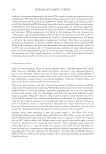
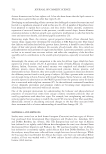
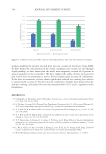
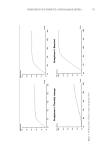
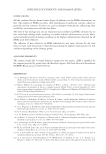
737 ENHANCED NATURAL OIL DEPOSITION on the surface of the hair, presumably from the shampoo washing after the oil treatment. Under this layer there is a mixed layer that starts out richer in coconut oil and decreases toward the hair surface, where the concentration of methacrylate copolymer increases. This may describe a deposition mechanism where the copolymer acts somewhat as a primer, and this helps the coconut oil adhere to the hair, much like a primer helps paint stick to wood. As the copolymer is uniformly dispersed within the coconut oil, it is also possible that the smaller, more mobile coconut oil migrates toward the air interface and the copolymer stays localized closer to the hair fiber. CN is likely from proteins in hair or other organic nitrogen compounds, not necessarily from cyanide. At the deepest part of the profile toward the right, CN has a high concentration as the hair is etched. At the air interface, it is also richer, although the compounds that cause this enhancement are unclear. 1.0 0.9 0.8 0.7 0.6 0.5 0.4 0.3 0.2 0.1 0.0 Sputter Time [s] 60 40 20 0 Figure 6. Negative ion depth profile from the top hair from Figure 5. Green circles are CN, red plus signs are coconut oil, pink x’s are lauryl sulfate, and blue asterisks are methacrylic ions. Data are normalized to the maximum signal for each ion. oMaxmum Nomazed
Purchased for the exclusive use of nofirst nolast (unknown)
From: SCC Media Library & Resource Center (library.scconline.org)