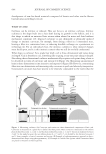
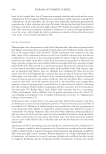
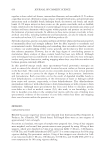
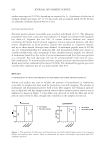
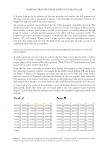
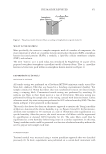
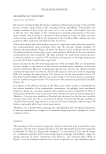
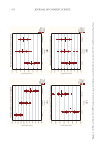
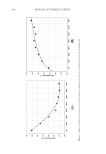
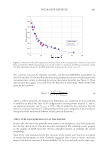
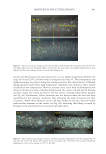
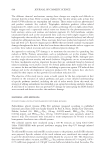
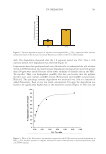
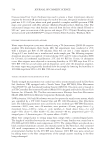
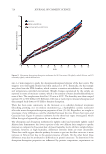
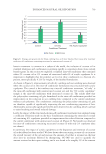
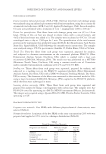
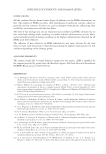
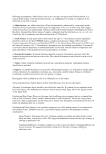
738 JOURNAL OF COSMETIC SCIENCE DISCUSSION Through this work we have demonstrated that acrylic copolymer structured coconut oil is retained on the hair surface after washing at a higher level. Additionally, through SIMS we have shown that the structured oil is uniformly distributed over the hair fiber, providing a nice even coating. We next sought to understand the impact of this oil deposition on consumer perceivable benefits like combing, reduced friction, and improved feel of the hair. In this section we will describe two pieces of work: first, coconut oil leave-in treatments that are then washed with shampoo to reduce the greasy haptics and second, the incorporation of these structured coconut oils in standard rinse-off conditioner applications. LEAVE-IN COCONUT OIL TREATMENTS In these experiments, coconut oil or structured coconut oil are used as leave-in conditioner treatments that are then washed off with shampoo. This is a common practice in India and the Middle East where coconut oil would be massaged into the hair before bed and washed the following morning. In Figure 7, the results show that coconut oil structured with acrylic copo- lymers provided an improvement in the reduction in dry combing force compared to the control formulation (coconut oil only) without such polymers. This impact was observed at copolymer use levels as low as 0.5% in the formulation despite having no impact on the viscosity at this use level. It was noted that when the acrylic copolymer was used at 6% in the structured oil gels that the retention on the surface was significant and negatively impacted the haptics of the hair tress. Given this behavior and the data in Figure 7, we hypothesize that there is optimal per- formance when the oil is slightly structured but not overly gelled in these leave-in treatments. RINSE-OFF CONDITIONER TREATMENTS After having demonstrated the utility of these structured oils, we explored if these benefits could be observed from rinse-off conditioners that contained coconut oil. While direct Figure 7. Average dry combing force on 8 hr bleached hair tresses after treatment with structured or unstructured coconut oil followed by shampooing. The control is coconut oil only.

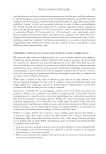
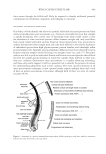
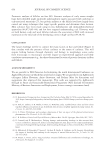
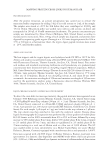
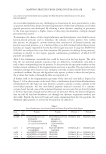
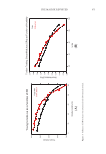
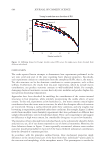
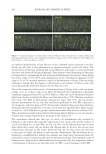
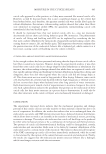
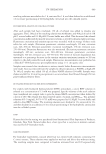
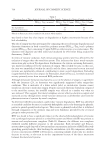
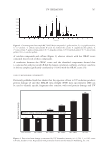
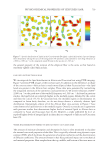
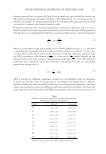
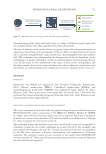
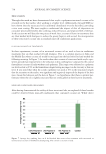
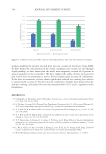
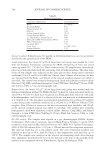
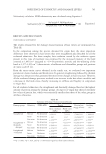
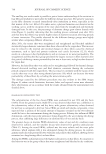
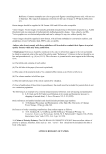
739 ENHANCED NATURAL OIL DEPOSITION leave-in treatment is common in a subset of the world, the inclusion of coconut oil in standard shampoos and conditioners is growing rapidly as consumers desire more natural benefit agents. In this section we explored a standard rinse-off conditioner that contained either 2% coconut oil or 2% coconut oil structured with 6% of acrylic copolymer. It is important to highlight that the polymer use level in these conditioners is a fraction of a percent, more specifically 0.12% by weight, of the finished formulation. As shown in Figure 8, improvements in both dry combing and wet combing were observed when the coconut oil in the rinse-off conditioner formulation was structured with acrylic copolymer. The control is hair without any rinse-off conditioner treatment, “oil only” is the rinse-off conditioner with unstructured coconut oil, and the “6% acrylic copolymer” sample is the rinse-off conditioner with structured coconut oil. The results show that the polyacrylate-containing oil gels formulated in the rinse-off conditioners provided an improvement in the reduction in wet combing force compared to the control conditioner without such polymers. The conditioners containing the polyacrylate-containing oil gels are therefore capable of significantly improving the wet conditioning properties of hair. Additionally, statistically significant benefits were observed in dry combing, which can lead to easier brushing and overall reduced damage. Lastly, the impact of the structured-oil rinse-off conditioner treatments were explored using a coefficient of friction study on dry hair. Conditioners containing the structured coconut oil containing 6% copolymer provided an improvement for reduced friction compared to the control conditioner with unstructured coconut oil (Figure 9). No benefit was observed for rinse-off conditioners containing structured coconut oil with only 2% copolymer (data not shown). In summary, the impact of acrylic copolymers on the deposition and retention of coconut oil on hair fibers has been studied. We have shown that structuring coconut oil can increase the overall viscosity of the oil and increase the amount of oil that is retained on the hair after leave-in treatment followed by shampooing. GC–MS was used to quantify the amount retained on hair upon washing, and it was found to be roughly 2% of the amount 0 0.1 0.2 0.3 0.4 0.5 0.6 0.7 0.8 0.9 1 Control Oil Only 6% Acrylic Copolymer Conditioner Treatment Dry Force Wet Force Figure 8. Average wet (green) and dry (blue) combing force on 8 hour bleached hair tresses after treatment with rinse-off conditioners containing structured or unstructured coconut oil. Average Combing Load
Purchased for the exclusive use of nofirst nolast (unknown)
From: SCC Media Library & Resource Center (library.scconline.org)