17 CHARACTERIZATION AND ACTIVITY OF ESSENTIAL OILS inoculum suspension (standardized 0.5 McFarland) was added to each well. Growth control and sterility control were used. After incubation, 20 µl of 0.2 mg/ml iodonitrotetrazolium chloride (Sigma-Aldrich) solution was added to each well to determine minimum inhibitory concentration (MIC). To identify minimum bactericidal concentration (MBC) values, 10 µL of inoculum was taken from wells without visible growth and transferred onto BHA. Checkerboard assay. The checkerboard microtiter plate method was used to evaluate the effects of binary combinations of EOs against strains as shown by Gutierrez et al. with modifications (24). Two-fold dilutions (ranging from 64% to 0.03125% [v/v]) of each EO were prepared. Decreasing concentrations of EOs were dispensed into the 96-well plates horizontally and vertically according to the MIC values. The 12th-H well included growth control. The interaction between EOs was determined by the fractional inhibitory concentration index (FICI) using the following formula: FIC MICEO1combined and FICEO2 MICEO2combined EO1 :/MICEO1alone :MICEO2alone /FICI FIC FICEO2 EO1 =+ANTIOXIDANT ACTIVITY Antioxidant activity of EOs (oregano, cinnamon, tea tree, lavender, lemon, sandalwood, eucalyptus, and laurel) was determined by 2,2-diphenyl-1-picrylhydrazyl (DPPH) free radical scavenging and Folin–Ciocalteu methods. Antioxidant assay. The antioxidant potential of the EOs was determined by the DPPH free radical scavenging assay as described by Shimamura et al. (2014) (25) using DPPH antioxidant assay kit (Dojindo, Kumamoto, Japan). The DPPH and Trolox standards were dissolved in ethanol (99.5%) (Isolab, Eschau, Germany) using sonication before use. DPPH reagent and Trolox standard solutions (100, 80, 60, 40, and 0 µg/ml) were prepared. Sample, Trolox (standard), and blanks were put into wells. The total volume was 200 µl. Incubation conditions of the plates were set at 25°C for 30 minutes in the dark. Then their absorbance was measured at 517 nm using a microplate reader (Thermo Fisher Scientific. Watham, MA, USA). The experiment was done in duplicate. The inhibition ratio was calculated as follows: DPPHscavengingactivity(%) A A ()Control Sample:EO Control =-/A × 1 100 IC 50 values of the Trolox and EOs were calculated, and the antioxidant capacity of each EO was expressed as the Trolox equivalent antioxidant capacity (TEAC). TEAC: IC 50 Trolox/IC 50 Sample Folin–Ciocalteu assay. Phenolic compounds of EOs were determined by the Folin–Ciocalteu method as explained by Slinkard and Singleton (1977) with little modifications (26). Briefly, 1.36 ml of distilled water, 0.04 ml of each EO, and 0.8 ml of 0.5 N phenol reagent (Merck, Darmstadt, Germany) were added into a tube and mixed for 3 minutes, then 0.8 ml of 10% Na 2 CO 3 (Isolab) solution was put into the tube. The reaction mixture vortexed and incubated at 25°C for 30 minutes and blue color was observed. The absorbance was measured at 760 nm by a spectrophotometer (Shimadzu Spectrophotometer UV-1800,

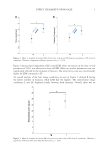
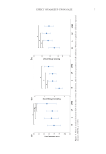
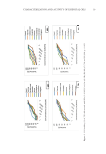
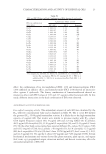
18 JOURNAL OF COSMETIC SCIENCE Shimadzu, Kyoto, Japan). For plotting the calibration curve, gallic acid (standard) solutions at different concentrations (0, 50, 100, 150, 250, and 500 mg/l) were prepared in ethanol. The total phenolic content of each EO was expressed as gallic acid equivalent (mg GAE/100 g sample). Each experiment was repeated three times. Cytotoxicity assay. The in vitro cytotoxic activity of the EOs (oregano, cinnamon, lemon, tea tree, laurel, lavender, sandalwood, and eucalyptus) was assessed by MTT assay in NIH 3T3 cell line (derived from mouse embryonic fibroblasts) in 24, 48, 72, and 96-hour time frames. Cells were grown in Dulbecco’s Modified Eagle’s Medium seeded into 96-well plate and incubated at 37°C in a 5% CO 2 incubator for 24 hours before adding EO. Serial dilutions ranging from 2% to 0.0625% (v/v) of EOs were prepared. The absorbance was measured at 570 nm using a microplate reader (HTX Synergy, BioTek, Winooski, VT, USA). The cytotoxic activity was expressed as IC 50 (50% cell growth inhibition). STATISTICAL ANALYSIS For disc diffusion assay, the results were performed by one-way ANOVA and Tukey test (comparison with controls) using SPSS Statistics 19 version. For the MTT assay, the data was performed by ANOVA test using GraphPad Prism version 6.0. The significance value of all data was considered at p 0.05. RESULTS AND DISCUSSION PHYTOCHEMICAL CONSTITUENTS OF ESSENTIAL OILS The chromatogram results of each EO are presented in Figure 1. In our research, the various chemical compounds such as terpenes, terpene alcohols, ethers, ketones, aldehydes, and phenol derivatives were determined by gas chromatography–mass spectrometry (GCMS), and major compounds are given in Table I. When we compared our results to previous studies, the percentages of the main components of lemon (27), tea tree (28), lavender (29– 31), laurel (32), eucalyptus (33,34), sandalwood (35), cinnamon (36), and oregano (37,38) EOs were different. These differences depend on environmental conditions like the season, geographical location, plant genotype, and plant growth (39). ANTIBACTERIAL ACTIVITY OF SELECTED ESSENTIAL OILS AGAINST ACNE-INDUCING BACTERIA Agar disc diffusion assay. The antimicrobial activity results of 16 EOs against strains are displayed in Table II. Oregano, cinnamon, lavender, and tea tree EOs showed excellent antibacterial activity. Ginger, orange, and coconut EOs did not show any inhibitory activity against either bacterium. The inhibitory activity wasn’t seen in chamomile, rosemary, garlic, sage, and clove EOs against S epidermidis and lemon EO against C acnes. The negative control Tween 80 exhibited no inhibition zone. Previous studies have reported that 2 bacteria were susceptible to oregano with IZD: 16 to 32 mm (40). Moderate activity was observed in tea tree EO (IZD: 17 mm). Lavender and chamomile EOs showed no inhibition. Oregano (IZD: 30 mm), lavender (IZD: 18 mm), and lemon (IZD: 14 mm) EOs showed antibacterial activity against S epidermidis (41). Cinnamon (IZD: 33.5 mm), chamomile (IZD: 10 mm), lavender and lemon (IZD: 10–15 mm) (42), eucalyptus
Purchased for the exclusive use of nofirst nolast (unknown)
From: SCC Media Library & Resource Center (library.scconline.org)