49 MULTIDISCIPLINARY PROCESS OF HAND SANITIZER Briefly, skin biopsies were embedded in a proprietary biological matrix in Transwell® (Millicell, Darmstadt, Germany) according to the patented NativeSkin® procedure developed by Genoskin (Toulouse, France), with the dermal compartment immersed in the matrix and the epidermal surface left in contact with the air. The models were cultured for up to 5 days in 12-well plates in a proprietary and chemically defined hydrocortisone- and serum-free medium in the presence of 100 µg/mL of penicillin and 100 µg/mL of streptomycin. For treatment studies, 10 µL of formulation was topically applied twice per day for a period of 3 days. After the treatment, skin specimens were fixed with 10 %(v/v) formalin, dehydrated, embedded in paraffin, and cut into 5-µm sections. Tissue sections were stained with Hematoxylin &Eosin (Bio-Optica, Milan, Italy) following routine protocols. All samples were examined under an Axio Imager. M2 microscope (Zeiss, Oberkochen, Germany), using ZEN Blue 3.2 software (also Zeiss, Oberkochen, Germany). Images were acquired using the same software settings and histograms. STATISTICAL ANALYSIS Data were statistically analyzed with the software IBM SPSS Statistics, Version 28 (IBM Corp, Armonk, United States), and normality was assessed with the Shapiro-Wilk test. For all analyses, p 0.05 was considered statistically significant. Differences between two means obtained by measuring skin parameters were evaluated using the paired student’s t-test (for normal distributed data) or the Wilcoxon signed- rank test (for non-normal distributed data). Differences between more than two means were accessed with one-way analysis of variance, followed by Duncan’s Multiple Range test (normal data) or by the Kruskal–Wallis test, and then followed by the Dunn test (non- normal data). For the European standard EN 1500, after fulfilling the norm’s validation criteria, results analysis was done with the Wilcoxon signed-rank test. RESULTS AND DISCUSSION FINAL PRODUCT DEVELOPMENT AND PROCESS DEVELOPMENT The development workflows of the formulations responding to the challenges of each process are described as follows, and each formulation composition is depicted in Table II. Base formulation development. The first step was to develop a base formulation, as the components were selected based on their source, market availability, and cost, along with the team’s experience with the ingredients’ performance. Hand sanitizers traditionally contain alcohol (the active ingredient responsible for the antimicrobial activity), viscosity enhancers, emollients, fragrances, and colorants (2,4). The list of the most important tested ABHS formulations can be found in Table II. No fragrances or colorants were added to the formulations, since they are the most common source of irritant and allergic contact dermatitis due to cosmetic use, although only a small percentage of the general population experiences a cosmetic allergy (17). The majority of effective ABHS contain an alcohol concentration of 60% (v/v) to 95% (v/v). They are capable of inactivating microbes, such as bacteria and viruses, by lysing the lipid

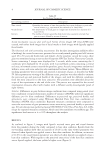
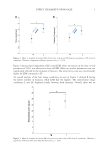
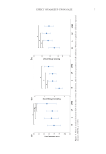
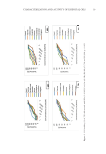
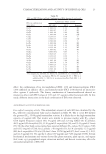
50 JOURNAL OF COSMETIC SCIENCE membrane and resealing the intracellular contents (2). Therefore, formulations with 70% (v/v) alcohol were the first to be developed, because this is an average concentration. Ethanol was the alcohol that was chosen, because it is the least irritating to the skin (2) compared with the other ones that are frequently used, such as isopropanol and n-propanol. Addition of emulsifier. ABHS usually contain emulsifiers to thicken the solution and prevent ingredient separation (18). To evaluate the best emulsifier, two formulations, F#1 and F#2, were made with PEG-40 hydrogenated castor oil, PEG-7 glyceryl cocoate, and polyacrylate crosspolymer-6. They were tested for their impacts on skin parameters and sensorial evaluation. PEGs are composed of polyether compound repeating ethylene glycol units according to the constituent monomer or parent molecule (19). In cosmetic formulations, PEG-40 hydrogenated castor oil is obtained via Rincinus communis plant seeds by cold pressing and is used as a nonionic solubilizer and emulsifying agent (19). PEG-7 glyceryl cocoate is used as a skin-conditioning agent, emollient, surfactant, and nonionic emulsifying agent and is produced from coconut oil fatty acids (20). Polyacrylate crosspolymer-6 is a polymer with a high molecular weight that is biodegradable and nonmicroplastic. When used in cosmetic formulations, it creates a film over the skin that prevents water loss (21,22). Both F#1 and F#2 significantly increased skin hydration and decreased skin TEWL and pH (Table III). However, F#1 led to a more significant increase in skin hydration than F#2, although they had the same concentrations of humectants and emollients (Figure 1). This may be explained by the fact that PEG-7 glyceryl cocoate, aside from being an emulsifier, also has emollient proprieties and creates a barrier at the skin’s surface that increases moisture retention (20). Hydration was assessed with a Corneometer® CM 825 probe (Courage and Khazaka, Cologne, Germany), which measures the electric capacity and the conductance of the skin’s surface—properties that relate to the skin’s water content. A higher water content in the skin Table II Compositions of Tested ABHS Formulations Formulations Disinfectant agents (%v/v) Emulsifiers (%w/w) Emollients (%w/w) Humectants (%w/w) Others (%w/w) F#1 70% ethanol 0.5% PEG-40 hydrogenated castor oil and 2% PEG-7 glyceryl cocoate 0.2% squalane 0.1% glycerin water F#2 70% ethanol 0.1% polyacrylate crosspolymer-6 0.2% squalane 0.1% glycerin water F#3 70% ethanol 0.2% polyacrylate crosspolymer-6 0.2% squalane 0.2% glycerin water F#4 70% ethanol 0.2% polyacrylate crosspolymer-6 0.2% squalane 0.4% glycerin water F#5 70% ethanol 0.2% polyacrylate crosspolymer-6 0.2% squalane 0.6% glycerin water F#6 75% ethanol 0.2% polyacrylate crosspolymer-6 0.2% squalane 0.2% glycerin water F#7 80% ethanol 0.2% polyacrylate crosspolymer-6 0.2% squalane 0.2% glycerin water F#8 80% ethanol 0.05% polyacrylate crosspolymer-6 0.4% hemisqualane 0.2% glycerin water and 0.2% cetyl alcohol
Purchased for the exclusive use of nofirst nolast (unknown)
From: SCC Media Library & Resource Center (library.scconline.org)