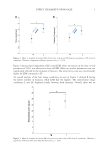
63 J. Cosmet. Sci., 74, 63–80 (January/February 2023) Address all correspondence to Shariza Binti Sahudin, shariza22802280@uitm.edu.my Natural Active Ingredients and Skin Hydration: A Systematic Review NUR SHADIAH BINTI ZULKIFLI, SHARIZA BINTI SAHUDIN AND NORSAVINA KAHARUDIN Puncak Alam, Selangor, Malaysia (N.S.B.Z., S.B.S.) Senawang, Negeri Sembilan, Malaysia (N.K.) Accepted for publication March 02, 2023. Synopsis The skin can reflect the origin, lifestyle, age, and health status of a person. Skin hydration is one of the fundamental elements that influences skin health. The prevalence of psychiatric disorders in patients with skin conditions is in the range of 25% to 43%. Therefore, having good, healthy skin helps to boost a person’s confidence and self-worth. Moisturizers are the most prescribed products in dermatology. They increase hydration by improving the barrier function of the stratum corneum and also by reducing water loss. The global natural cosmetics market was estimated at $34.12 billion in 2018 and rising at a compound annual growth rate of 5.01% from 2019 to 2025. This study systematically looks at published literature on various natural ingredients that can be used to promote skin hydration. Search engines used include ScienceDirect, PubMed, National Center for Biotechnology Information databases, and ResearchGate. Results obtained give insight into the use of natural active ingredients as cosmetic formulations for skin hydration. Natural active ingredients from plants, animals, and marine sources contain vitamins, humectants, emollients, peptides, and collagens that can promote skin hydration. This review concludes by identifying the natural active ingredients that can be used in cosmetic formulations to promote skin hydration. INTRODUCTION Skin can reflect origin, lifestyle, age, and state of health (1). Skin consists of three different layers: the epidermis, dermis, and subcutaneous layers. The epidermis is the outermost layer of the skin that provides a waterproof barrier and produces color and tone. The epidermis is made up of four distinct layers: the stratum corneum (SC), stratum spinosum, stratum granulosum, and stratum basale (Figure 1). Brick-and-mortar structures are mainly responsible for the effectiveness of the SC (Figure 2). The protein-enriched corneocytes (bricks) impart a high degree of tortuosity to the path of water or any other molecule that crosses the SC. The hydrophobic lipids, organized into tight lamellar structures (mortar), provide a watertight barrier property (2). Meanwhile, the dermis, which is located beneath the epidermis, is made up of connective tissues, collagen, elastin, and glycoaminoglycans, which are jointly termed the extracellular matrix (2). The
Purchased for the exclusive use of nofirst nolast (unknown)
From: SCC Media Library & Resource Center (library.scconline.org)