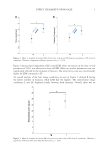
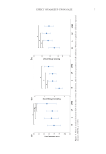
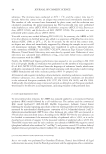
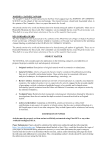
2 JOURNAL OF COSMETIC SCIENCE a societal perspective, these findings reflect the current pressure associated with beauty, further exacerbated by modern social media platforms. Some associations have already been established between eye movements and the perception of attraction. Kwart et al. demonstrated that judgment of age and attractiveness was strongly associated with a fixation on the eye area, as well as the nose and the mouth (3). Similar findings were found in another study, where attractivity correlated to the amount of gaze received from images, highlighting that skin tones with even color distribution are more likely to capture visual attention (5). Studies reporting that makeup can improve feelings of confidence and happiness would point in this direction (6). Moreover, women who wear heavy makeup tend to be perceived as more attractive and more competent (7). In the present study, we aimed at exploring the added value of combined makeup product application (lipstick, foundation, mascara), versus bare skin (no makeup) or application of a stand-alone makeup product. Not unlike the benefits of a multistep skincare routine, we expected the application of multiple makeup products to yield greater benefits in terms of attention, attractivity, and perception of age/health, compared to applying a stand- alone makeup product or bare skin. An additional objective was to evaluate the potential amplified effect of mascara upon gaze when wearing facial masks. MATERIALS AND METHODS IMAGE ACQUISITION UNDER VARIOUS MAKEUP CONDITIONS Front images of 20 women aged 19 to 60 years old (skin types II to IV) were captured using an imaging booth (Colorface®, Newtone, Lyon, France) using standard light 60° under a variety of different makeup conditions. Product characteristics are outlined in Tables I to III. Volunteers were free to select their preferred lipstick shade out of a selection of 10 shades, as there is no universal lipstick shade that suits every skin tone. Lipstick was self-applied, while the foundation was applied under the supervision of a technician. The mascara application was performed by a technician. CREATION OF MASK CONDITIONS Lipstick +Foundation (LF) and Lipstick +Foundation +Mascara (LFM) image conditions were retained, and the facial covering was digitally applied. Figure 1 details all the image conditions generated. Table I Lipstick Characteristics Formulation type: Liquid lipstick: anhydrous and oil technology Main visual effect: High pigmentation with a high-shine finish INCI: Polybutene, hydrogenated polyisobutene, caprylic/capric triglyceride, octyldodecanol, isohexadecane, glyceryl rosinate, ricinus communis seed oil, polyethylene, ethylene/propylene/styrene copolymer, hydrogenated castor oil, butylene/ethylene/styrene copolymer, mica, parfum, glyceryl caprylate, ascorbyl palmitate, tocopherol, bht, +/−: ci 15850, ci 42090, ci 45410, ci 77491, ci 77492, ci 77499, ci 77891 INCI: International Nomenclature Cosmetic Ingredient

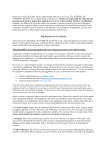
3 EFFECT OF MAKEUP UPON GAZE STIMULI First investigation: additive effect of makeup. Previously captured images were subsequently arranged as scenes of two (Bare skin [B] versus Lipstick [L] or LF versus LFM) or four images (B, L, LF, and LFM) of the same volunteer. Figure 1. Order of image conditions acquisition using the Colorface® and short abbreviation for reference. Table II Foundation Characteristics Formulation type: Water in silicone emulsion Main visual effect: Medium to high coverage with semi-matte to satin finish. INCI: Aqua, cyclopentasiloxane, butylene glycol, diisopropyl adipate, ethylhexyl methoxycinnamate, titanium dioxide, caprylic/capric triglyceride, lauryl peg-10 tris(trimethylsiloxy)silylethyl dimethicone, diethylamino hydroxybenzoyl hexyl benzoate, sodium chloride, trimethylsiloxysilicate, disteardimonium hectorite, polyhydroxystearic acid, phenoxyethanol, imidazolidinyl urea, silica, alumina, caprylyl glycol, parfum, stearic acid, disodium edta, triethoxycaprylylsilane, polyquaternium-51, bht, +/−: ci 77491, ci 77492, ci 77499, ci 77891 INCI: International Nomenclature Cosmetic Ingredient Table III Mascara Characteristics Formulation type: Water in silicone emulsion Main visual effect: Multibenefit—volumizes, lengthens, curls, and separates the eyelashes INCI: Aqua, hydrogenated olive oil cetyl esters, oryza sativa cera, butylene glycol, stearic acid, palmitic acid, methylglucamine, helianthus annuus seed cera, acacia senegal gum, pvp, copernicia cerifera cera, cyclopentasiloxane, vp/eicosene copolymer, hydroxyethylcellulose, cyclohexasiloxane, shorea robusta resin, phenoxyethanol, caprylyl glycol, dimethicone, rhus verniciflua peel cera, disodium edta, panthenol, tocopheryl acetate, arachidic acid, lauric acid, myristic acid, bht, ascorbyl palmitate, tocopherol, ci 77499 INCI: International Nomenclature Cosmetic Ingredient
Purchased for the exclusive use of nofirst nolast (unknown)
From: SCC Media Library & Resource Center (library.scconline.org)