337 Photoprotective Effects of Carotenoid
PIGMENT EXTRACTION
Extraction of the carotenoid was done by a solvent extraction method using ethanol as
a solvent.19 Briefly, R kroppenstedtii was grown in Tryptic soy broth at 37°C for 96 hours
at 110 rpm. The biomass was collected by centrifugation at 4,500 rpm for 10 minutes.
The cell pellet was washed twice with distilled water, and carotenoid (0.38 µg/g) was
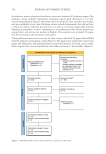
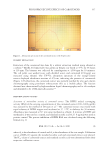
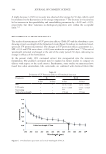
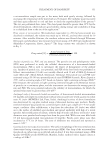
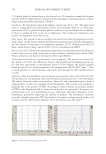
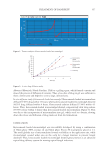
extracted using ethanol. The UV–Vis absorption spectrum of the orange-colored
extract displayed absorbance maxima of 475 nm, indicating the presence of carotenoids
(Figure 1). Furthermore, the carotenoid extract was partially purified by silica gel column
chromatography using petroleum ether:acetone (9:1) as a mobile phase. The fraction
obtained was characterized by high-resolution liquid chromatography and in silico analysis
and identified to be 1’OH-4-keto-ϒ-carotene.20
PREFORMULATION STUDIES
Assessment of antioxidant activity of carotenoid extract. The DPPH radical scavenging
activity (RSA) of the varying concentrations of the carotenoid extract (100–1,000 µg/mL)
was assessed by the method of Devyani et al.21 The carotenoid extract was mixed with
equal volumes of DPPH reagent and incubated at 37 ± 2°C in darkness for 30 minutes.
Absorbance was measured at 517 nm using methanol as a blank. A mixture of DPPH and
methanol (1:1) was used as a control, and standard ascorbic acid (0.25–8 µg/mL) was used as
positive control. The percent inhibition of DPPH RSA was calculated using the following
formula (eq. 1):
RSA /A (()×100 %)=-A A
0 1 0 (1)
where A
0 is the absorbance of control and A
1 is the absorbance of the test sample. Calibration
curves of RSA (%)against the standard ascorbic acid and carotenoid extract were plotted.
The IC
50 values of carotenoid extract and standard ascorbic acid were determined from their
respective calibration curves.
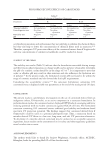
Figure 1. Absorption spectrum of the carotenoid extract of R kroppenstedtii.
PIGMENT EXTRACTION
Extraction of the carotenoid was done by a solvent extraction method using ethanol as
a solvent.19 Briefly, R kroppenstedtii was grown in Tryptic soy broth at 37°C for 96 hours
at 110 rpm. The biomass was collected by centrifugation at 4,500 rpm for 10 minutes.
The cell pellet was washed twice with distilled water, and carotenoid (0.38 µg/g) was
extracted using ethanol. The UV–Vis absorption spectrum of the orange-colored
extract displayed absorbance maxima of 475 nm, indicating the presence of carotenoids
(Figure 1). Furthermore, the carotenoid extract was partially purified by silica gel column
chromatography using petroleum ether:acetone (9:1) as a mobile phase. The fraction
obtained was characterized by high-resolution liquid chromatography and in silico analysis
and identified to be 1’OH-4-keto-ϒ-carotene.20
PREFORMULATION STUDIES
Assessment of antioxidant activity of carotenoid extract. The DPPH radical scavenging
activity (RSA) of the varying concentrations of the carotenoid extract (100–1,000 µg/mL)
was assessed by the method of Devyani et al.21 The carotenoid extract was mixed with
equal volumes of DPPH reagent and incubated at 37 ± 2°C in darkness for 30 minutes.
Absorbance was measured at 517 nm using methanol as a blank. A mixture of DPPH and
methanol (1:1) was used as a control, and standard ascorbic acid (0.25–8 µg/mL) was used as
positive control. The percent inhibition of DPPH RSA was calculated using the following
formula (eq. 1):
RSA /A (()×100 %)=-A A
0 1 0 (1)
where A
0 is the absorbance of control and A
1 is the absorbance of the test sample. Calibration
curves of RSA (%)against the standard ascorbic acid and carotenoid extract were plotted.
The IC
50 values of carotenoid extract and standard ascorbic acid were determined from their
respective calibration curves.
Figure 1. Absorption spectrum of the carotenoid extract of R kroppenstedtii.