364 JOURNAL OF COSMETIC SCIENCE
RESULTS AND DISCUSSION
FILM THICKNESS
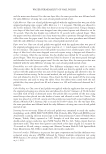
The thickness of the one-layer nail film on the plastic nail was in the range of 17–43 µm,
and the two-layer film in the range of 53–140 µm. On the silicone mat, the films were
slightly thicker, in the range of 32–55 µm for the one-layer, and 80–110 µm for the two-
layer films. The difference was not statistically significant between the one-layer and two-
layer films on plastic nails versus silicone mats. It can be seen in Table II that the thickness
of the two-layer films was approximately twice the thickness of the one-layer film with
both methods. These tests confirmed that the film used in this study for the tests, i.e., film
created on the silicone mat, was comparable to the film thickness consumers would create
in real life, i.e., thickness on the plastic nail, and allow for translatability of our results.
WATER LOSS VIA EVAPORATION
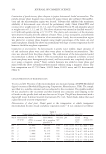
This test assumed that if the film is permeable for water, then water should be able to cross
the film via evaporation. The centrifuge tube was sealed well with the nail polish film to
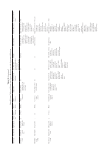
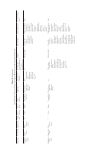
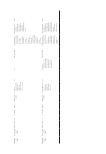
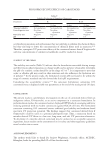
avoid any other avenue of evaporation. The highest weight loss, after the control, at 25°C
occurred for Water Permeable 3 nail polish at both temperatures with both one- and two-
layer films (Table III). The order of weight loss was inconsistent for the other nail polishes.
Statistical analysis of the data showed that the control lost significantly more water than
any of the tubes covered with a nail polish film. Every nail polish film had the same percent
loss for the same thickness with no statistically significant difference between the films at
either temperature.
DYE LEAK TEST
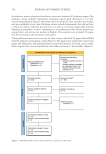
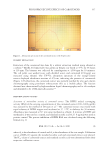
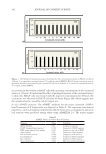
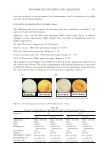
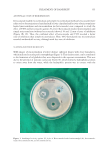
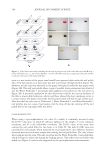
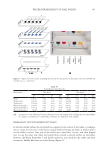
Water did not pass through any of the nail polishes tested (Figure 1) for neither one nor
two layers of film. An observation was that the water-based food color droplet did not
stay spread out on the surface of Water Permeable 2 nail polish film after the 10-second
rubbing, which indicates a more hydrophobic surface compared to the other nail polishes.
Another observation made during the beaker test was a yellow tint that developed in the
beakers that were covered with Water Permeable 3 nail polish. This indicates that the film
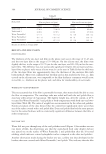
Table II
Thickness Measurements
Nail polish Film on plastic nail (μm) Film on silicone mat (μm)
1 layer 2 layers 1 layer 2 layers
Traditional 1 27 ± 5 73 ± 24 42 ± 6 80 ± 6
Traditional 2 30 ± 8 67 ± 5 32 ± 6 97 ± 16
Water Permeable 1 17 ± 5 53 ± 12 32 ± 19 106 ± 12
Water Permeable 2 40 ± 14 140 ± 16 55 ± 6 110 ± 6
Water Permeable 3 43 ± 26 87 ± 12 32 ± 19 102 ± 0
Results are shown as average ± SD.
RESULTS AND DISCUSSION
FILM THICKNESS
The thickness of the one-layer nail film on the plastic nail was in the range of 17–43 µm,
and the two-layer film in the range of 53–140 µm. On the silicone mat, the films were
slightly thicker, in the range of 32–55 µm for the one-layer, and 80–110 µm for the two-
layer films. The difference was not statistically significant between the one-layer and two-
layer films on plastic nails versus silicone mats. It can be seen in Table II that the thickness
of the two-layer films was approximately twice the thickness of the one-layer film with
both methods. These tests confirmed that the film used in this study for the tests, i.e., film
created on the silicone mat, was comparable to the film thickness consumers would create
in real life, i.e., thickness on the plastic nail, and allow for translatability of our results.
WATER LOSS VIA EVAPORATION
This test assumed that if the film is permeable for water, then water should be able to cross
the film via evaporation. The centrifuge tube was sealed well with the nail polish film to
avoid any other avenue of evaporation. The highest weight loss, after the control, at 25°C
occurred for Water Permeable 3 nail polish at both temperatures with both one- and two-
layer films (Table III). The order of weight loss was inconsistent for the other nail polishes.
Statistical analysis of the data showed that the control lost significantly more water than
any of the tubes covered with a nail polish film. Every nail polish film had the same percent
loss for the same thickness with no statistically significant difference between the films at
either temperature.
DYE LEAK TEST
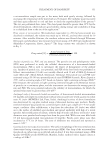
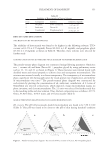
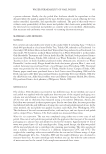
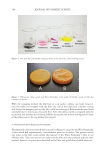
Water did not pass through any of the nail polishes tested (Figure 1) for neither one nor
two layers of film. An observation was that the water-based food color droplet did not
stay spread out on the surface of Water Permeable 2 nail polish film after the 10-second
rubbing, which indicates a more hydrophobic surface compared to the other nail polishes.
Another observation made during the beaker test was a yellow tint that developed in the
beakers that were covered with Water Permeable 3 nail polish. This indicates that the film
Table II
Thickness Measurements
Nail polish Film on plastic nail (μm) Film on silicone mat (μm)
1 layer 2 layers 1 layer 2 layers
Traditional 1 27 ± 5 73 ± 24 42 ± 6 80 ± 6
Traditional 2 30 ± 8 67 ± 5 32 ± 6 97 ± 16
Water Permeable 1 17 ± 5 53 ± 12 32 ± 19 106 ± 12
Water Permeable 2 40 ± 14 140 ± 16 55 ± 6 110 ± 6
Water Permeable 3 43 ± 26 87 ± 12 32 ± 19 102 ± 0
Results are shown as average ± SD.