368 JOURNAL OF COSMETIC SCIENCE
With the wrapping method the film had an even surface without any holes, however,
once the tablet was wrapped with the film, one side of the tablet had a thicker coating
and during the wrapping process the film could have damaged. Both methods were found
unreliable due to the reasons discussed here. Even the tablets coated or wrapped with the
traditional nail polishes were forming bubbles during the two-minute testing period. None
of the tablets rose to the top within two minutes.
SCANNING ELECTRON MICROSCOPY IMAGING
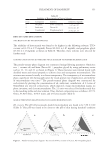
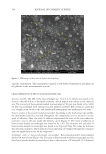
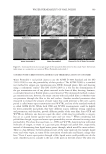
The films had a relatively smooth and even surface (Figure 6), except for the Water Permeable
3 film, which had approximately 1 µm diameter pores on its surface. The presence of the
tiny pores in the film could explain the behavior of the Water Permeable 3 film in our
different tests. The cross-section (cut surface) of the films was also analyzed with the same
method, however, no pores were identified, and all five nail polish films looked identical.
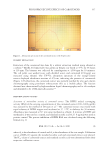
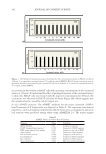
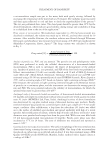
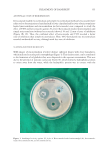
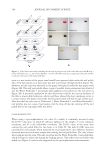
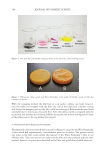
Figure 4. One-layer nail polish films soaking in water at the end of the 2-hour soaking period.
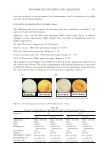
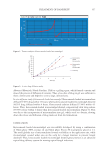
Figure 5. Effervescent tablet coated with Water Permeable 3 nail polish (A) freshly coated and (B) after
5 minutes of drying.
With the wrapping method the film had an even surface without any holes, however,
once the tablet was wrapped with the film, one side of the tablet had a thicker coating
and during the wrapping process the film could have damaged. Both methods were found
unreliable due to the reasons discussed here. Even the tablets coated or wrapped with the
traditional nail polishes were forming bubbles during the two-minute testing period. None
of the tablets rose to the top within two minutes.
SCANNING ELECTRON MICROSCOPY IMAGING
The films had a relatively smooth and even surface (Figure 6), except for the Water Permeable
3 film, which had approximately 1 µm diameter pores on its surface. The presence of the
tiny pores in the film could explain the behavior of the Water Permeable 3 film in our
different tests. The cross-section (cut surface) of the films was also analyzed with the same
method, however, no pores were identified, and all five nail polish films looked identical.
Figure 4. One-layer nail polish films soaking in water at the end of the 2-hour soaking period.
Figure 5. Effervescent tablet coated with Water Permeable 3 nail polish (A) freshly coated and (B) after
5 minutes of drying.