356 JOURNAL OF COSMETIC SCIENCE
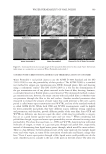
aqueous environment. This arrangement ensured a well-defined formulation and spherical
oil globules in the microemulsion system.31
CHARACTERIZATION OF KETOCONAZOLE MICROEMULGEL
Viscosity and pH. The pH of the microemulgel was 5.64 ± 0.21, which was found to be
closer to the pH of skin in dandruff condition, which helped with release at the infected
site. The viscosity of ketoconazole-loaded microemulgel at 50 rpm was found to be 3,400
cP. The microemulgel with similar viscosity showed moderate flow resistance, provided
ease of application on the scalp, and maintained homogeneity and uniformity over time.32
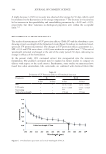
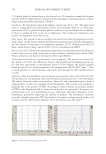
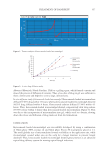
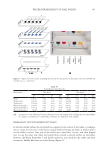
Texture analysis of ketoconazole-loaded microemulgel. According to the load versus time profile,
the maximum peak force attained throughout the compression cycle is referred to as the
work of adhesion. Here, the work of adhesion represented the ratio of the area under the
tackiness curve to the area under the firmness curve (Figure 5). The work of adhesion of
ketoconazole-loaded microemulgel was found to be 1.367. The firmness and tackiness of
ketoconazole-loaded microemulgel was found to be 63g and 168g. The value for firmness
was less than tackiness, which indicated easy squeezing of emulgel through the container
and easy application on the on the target site.33
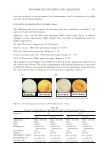
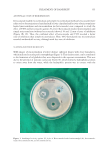
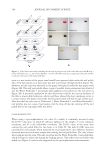
Antifungal study of ketoconazole-loaded microemulgel. Ketoconazole-loaded microemulgel
showed 28 mm of zone (Figure 3A). The zone of ketoconazole-loaded microemulgel was less
than ketoconazole-loaded microemulsion due to the presence of Carbopol® 934 (Lubrizol
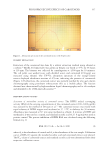
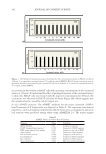
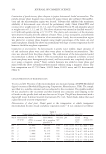
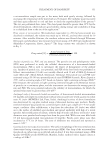
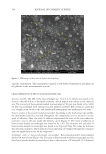
Figure 4. SEM images of ketoconazole loaded microemulsion.
aqueous environment. This arrangement ensured a well-defined formulation and spherical
oil globules in the microemulsion system.31
CHARACTERIZATION OF KETOCONAZOLE MICROEMULGEL
Viscosity and pH. The pH of the microemulgel was 5.64 ± 0.21, which was found to be
closer to the pH of skin in dandruff condition, which helped with release at the infected
site. The viscosity of ketoconazole-loaded microemulgel at 50 rpm was found to be 3,400
cP. The microemulgel with similar viscosity showed moderate flow resistance, provided
ease of application on the scalp, and maintained homogeneity and uniformity over time.32
Texture analysis of ketoconazole-loaded microemulgel. According to the load versus time profile,
the maximum peak force attained throughout the compression cycle is referred to as the
work of adhesion. Here, the work of adhesion represented the ratio of the area under the
tackiness curve to the area under the firmness curve (Figure 5). The work of adhesion of
ketoconazole-loaded microemulgel was found to be 1.367. The firmness and tackiness of
ketoconazole-loaded microemulgel was found to be 63g and 168g. The value for firmness
was less than tackiness, which indicated easy squeezing of emulgel through the container
and easy application on the on the target site.33
Antifungal study of ketoconazole-loaded microemulgel. Ketoconazole-loaded microemulgel
showed 28 mm of zone (Figure 3A). The zone of ketoconazole-loaded microemulgel was less
than ketoconazole-loaded microemulsion due to the presence of Carbopol® 934 (Lubrizol
Figure 4. SEM images of ketoconazole loaded microemulsion.