366 JOURNAL OF COSMETIC SCIENCE
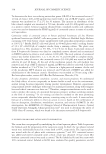
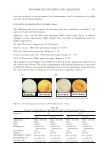
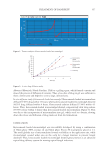
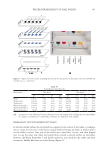
stain or a wet portion of the paper towel would have appeared right under the nail polish
film, if the dye solution or at least water was able to permeate through the film (Figure 3A).
However, no blue stain was observed on the paper towel placed under the first paper towel
(Figure 3B). The only nail polish where a sign of possible water permeation was observed
was the Water Permeable 3 nail polish when applied in two layers (see the red arrow in
Figure 3B). A potential explanation for this observation could be the uneven thickness of
the film or uneven film formation, which could have allowed the dye to permeate across to
a certain extent. The paper towel under the first paper towel still had no sign of blue stain.
Note that the blue stain seen in Traditional 1, Water Permeable 2, and Water Permeable 3
nail polishes was not a sign of permeation, but the drop of blue dye running off the nail
polish film as the top paper towel was lifted.
COLOR BLEEDING TEST
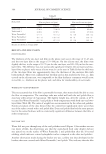
When using a spectrophotometer, the color of a sample is commonly measured using
the L*a*b* color space in which L* indicates lightness of the sample, a* is the red/green
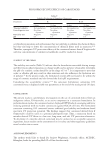
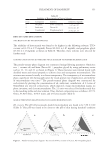
coordinate, and b* is the yellow/blue coordinate. The L*a*b* values of the water after
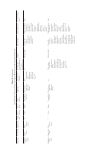
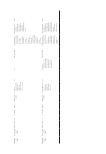
soaking the nail polish films for two hours is in Table IV. The delta E (ΔE) value was
calculated for each sample, which indicated the total quantitative color difference between
deionized water and each water sample after soaking the nail polish films. The color of most
water samples was the same. The only exception was the Water Permeable 3 nail polish film,
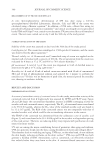
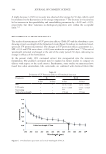
which developed a yellow tint during the soaking process. This yellow tint was visible with
naked eyes (Figure 4) and was also supported by the spectrophotometer measurements.
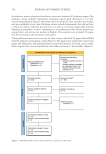
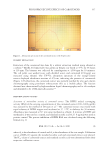
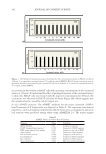
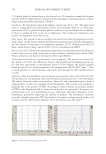
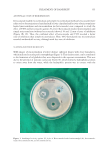
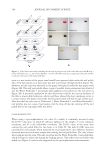
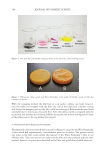
Figure 2. Coffee filter test results including (A) the step-by-step process of the coffee filter test and (B) step 5
of the coffee filter test, i.e., end of test. Number 1 on the coffee filter indicates a single layer film, and number
2 indicates two layers of the nail polish film.
stain or a wet portion of the paper towel would have appeared right under the nail polish
film, if the dye solution or at least water was able to permeate through the film (Figure 3A).
However, no blue stain was observed on the paper towel placed under the first paper towel
(Figure 3B). The only nail polish where a sign of possible water permeation was observed
was the Water Permeable 3 nail polish when applied in two layers (see the red arrow in
Figure 3B). A potential explanation for this observation could be the uneven thickness of
the film or uneven film formation, which could have allowed the dye to permeate across to
a certain extent. The paper towel under the first paper towel still had no sign of blue stain.
Note that the blue stain seen in Traditional 1, Water Permeable 2, and Water Permeable 3
nail polishes was not a sign of permeation, but the drop of blue dye running off the nail
polish film as the top paper towel was lifted.
COLOR BLEEDING TEST
When using a spectrophotometer, the color of a sample is commonly measured using
the L*a*b* color space in which L* indicates lightness of the sample, a* is the red/green
coordinate, and b* is the yellow/blue coordinate. The L*a*b* values of the water after
soaking the nail polish films for two hours is in Table IV. The delta E (ΔE) value was
calculated for each sample, which indicated the total quantitative color difference between
deionized water and each water sample after soaking the nail polish films. The color of most
water samples was the same. The only exception was the Water Permeable 3 nail polish film,
which developed a yellow tint during the soaking process. This yellow tint was visible with
naked eyes (Figure 4) and was also supported by the spectrophotometer measurements.
Figure 2. Coffee filter test results including (A) the step-by-step process of the coffee filter test and (B) step 5
of the coffee filter test, i.e., end of test. Number 1 on the coffee filter indicates a single layer film, and number
2 indicates two layers of the nail polish film.