341 Photoprotective Effects of Carotenoid
effectively prevent aging of the skin, and it can also prevent sunburn by functioning as an
antioxidant and a UV absorber.
Cytotoxicity studies of carotenoid extract on HaCaT cell line. The safety of carotenoid extract
was evaluated by testing it on HaCaT as a model system. HaCaT cells were treated with
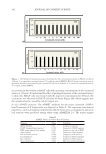
different concentrations of carotenoid extract for 24 and 48 hours. As shown in Figure 4A,
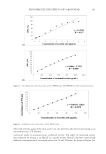
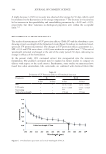
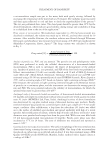
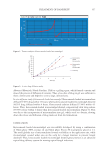
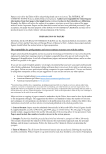
Figure 2. (A) Calibration curve of ascorbic acid for DPPH assay. (B) DPPH RSA of the carotenoid extract.
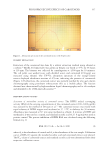
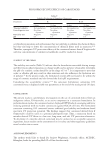
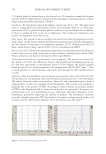
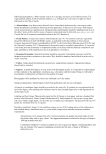
Figure 3. Calibration curve of ascorbic acid for FRAP assay.
effectively prevent aging of the skin, and it can also prevent sunburn by functioning as an
antioxidant and a UV absorber.
Cytotoxicity studies of carotenoid extract on HaCaT cell line. The safety of carotenoid extract
was evaluated by testing it on HaCaT as a model system. HaCaT cells were treated with
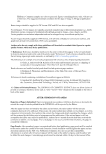
different concentrations of carotenoid extract for 24 and 48 hours. As shown in Figure 4A,
Figure 2. (A) Calibration curve of ascorbic acid for DPPH assay. (B) DPPH RSA of the carotenoid extract.
Figure 3. Calibration curve of ascorbic acid for FRAP assay.