339 Photoprotective Effects of Carotenoid
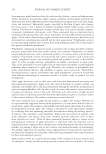
of the measurements were done in triplicates. The cream was kept in a dry place at room
temperature (27 ± 2°C). After 1 month, the evaluation was repeated to check its stability.
EVALUATION OF FORMULATED SUNSCREEN CREAM
The formulated sunscreen cream was analyzed for organoleptic properties such as color, odor,
texture, consistency, and so forth, along with rheological properties such as spreadability,
viscosity, and extrudability. This was according to the guidelines of the Bureau of Indian
Standards, WHO, and the Scientific Committee on Cosmetic Products and Non-Food
Products,27,28 and it was done on day 0 and the 30th day of the study period.
Spreadability of the cream was tested using the parallel plate method.28 Two glass slides
(20 × 5 cm) were placed on a tripod support. The upper slide was movable, while the lower
slide was secured to the stand. Then, 3 g of the cream was applied at one end of the lower
slide. The cream was compressed between the two slides to a consistent thickness by placing
a weight of 100 g on the slides for 5 minutes, and the surplus cream was scraped off the
edges. The upper slide was then tied with 50 g of weight. The tripod was tilted to a 45°
angle from the end where cream was applied. The duration in seconds was recorded until the
top slide traveled a distance of 10 cm getting separated from the bottom slide. Spreadability
was measured by the time (in seconds) it took to separate the two glass slides by 10 cm. The
shorter the period was, the better the spreadability was. The following formula was used to
calculate the spreadability: S (g.cm/s) =m × l/t, where S =spreadability, m =weight tied
to upper glass slide, l =length of glass slide, and t =time taken to separate them.
To assess the extrudability, the method of Karthika and Jayshree, 201326 was followed.
The cream was filled into standard capped collapsible aluminum tubes, and the ends of
the tubes were sealed. The weight of the tubes was measured, and the tubes were fastened
in place between two glass slides. The cap of the tube was removed, and a weight of
500 g was placed over the glass slides. The amount of cream that had been extruded
was weighed. The percentage of cream extruded was calculated, and one of the following
grades were assigned: 90% Extrudability =Excellent, 80% Extrudability =Good, 70%
Extrudability =Fair, and 50% Extrudability =Poor.
Viscosity of the cream was measured with a Brookfield viscometer (Brookfield Engineering,
Middleboro, MA).29 The correct spindle was selected (spindle no. 64), and the operating
conditions (rpm, torque) were set up. Then, the viscosity (cP) was measured directly at a
speed of 5 rpm by keeping the torque constant.
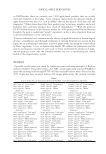
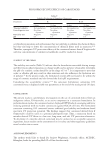
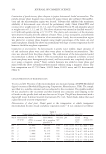
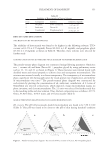
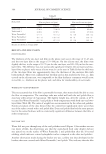
Table I
Composition of Bc
Components Weight (g)
Isopropyl myristate 7.5
Cetostearyl alcohol 1.25
Stearic acid 12.5
Propyl paraben 0.05
Liquid paraffin 15.0
Triethanolamine 4.7
Glycerine 9.0
Water 50.0
Total 100 g
of the measurements were done in triplicates. The cream was kept in a dry place at room
temperature (27 ± 2°C). After 1 month, the evaluation was repeated to check its stability.
EVALUATION OF FORMULATED SUNSCREEN CREAM
The formulated sunscreen cream was analyzed for organoleptic properties such as color, odor,
texture, consistency, and so forth, along with rheological properties such as spreadability,
viscosity, and extrudability. This was according to the guidelines of the Bureau of Indian
Standards, WHO, and the Scientific Committee on Cosmetic Products and Non-Food
Products,27,28 and it was done on day 0 and the 30th day of the study period.
Spreadability of the cream was tested using the parallel plate method.28 Two glass slides
(20 × 5 cm) were placed on a tripod support. The upper slide was movable, while the lower
slide was secured to the stand. Then, 3 g of the cream was applied at one end of the lower
slide. The cream was compressed between the two slides to a consistent thickness by placing
a weight of 100 g on the slides for 5 minutes, and the surplus cream was scraped off the
edges. The upper slide was then tied with 50 g of weight. The tripod was tilted to a 45°
angle from the end where cream was applied. The duration in seconds was recorded until the
top slide traveled a distance of 10 cm getting separated from the bottom slide. Spreadability
was measured by the time (in seconds) it took to separate the two glass slides by 10 cm. The
shorter the period was, the better the spreadability was. The following formula was used to
calculate the spreadability: S (g.cm/s) =m × l/t, where S =spreadability, m =weight tied
to upper glass slide, l =length of glass slide, and t =time taken to separate them.
To assess the extrudability, the method of Karthika and Jayshree, 201326 was followed.
The cream was filled into standard capped collapsible aluminum tubes, and the ends of
the tubes were sealed. The weight of the tubes was measured, and the tubes were fastened
in place between two glass slides. The cap of the tube was removed, and a weight of
500 g was placed over the glass slides. The amount of cream that had been extruded
was weighed. The percentage of cream extruded was calculated, and one of the following
grades were assigned: 90% Extrudability =Excellent, 80% Extrudability =Good, 70%
Extrudability =Fair, and 50% Extrudability =Poor.
Viscosity of the cream was measured with a Brookfield viscometer (Brookfield Engineering,
Middleboro, MA).29 The correct spindle was selected (spindle no. 64), and the operating
conditions (rpm, torque) were set up. Then, the viscosity (cP) was measured directly at a
speed of 5 rpm by keeping the torque constant.
Table I
Composition of Bc
Components Weight (g)
Isopropyl myristate 7.5
Cetostearyl alcohol 1.25
Stearic acid 12.5
Propyl paraben 0.05
Liquid paraffin 15.0
Triethanolamine 4.7
Glycerine 9.0
Water 50.0
Total 100 g