345 Photoprotective Effects of Carotenoid
octylmethoxycinnamate and oxybenzone), they not only help to stabilize the chemical filters,
but they also help to lower the concentrations of chemical filters used in sunscreen.40,41
Therefore, synergistic UV protection efficacy of the carotenoid extract from R kroppenstedtii
with low concentrations of commercial sunblocks could be studied in future.
STABILITY OF THE CREAM
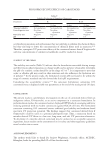
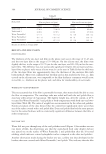
The stability test results (Table V) indicate that the formulation was stable during storage
and there was no phase separation, no change in pH, and no presence of rancidity. Generally,
the pH of a cosmetic cream should be in the range of 5 to 7. It is important to note that
acidic or alkaline pH may result in skin irritation and also influences the hydration rate
of polymer.29 In the present study, the formulated cream’s pH was found to be within the
range of cosmetic standards and also favored the skin’s pH requirements.
Considering the acceptability criteria,37,38 the sunscreen formulation containing 10%
carotenoid extract displayed stable test parameters at the end of the study period (30 days).
CONCLUSION
The present study is a preliminary investigation on the use of carotenoid derived from an
indigenous isolate, R kropenstedtii, as an active component in a sunscreen formulation. In
preformulation studies, the carotenoid extract displayed DPPH radical scavenging and ferric
reducing potential with no evident cytotoxicity against HaCaT cell lines. The formulated
sunscreen containing 10% carotenoid extract exhibited good stability and moderate broad
spectrum UV protection potential. The findings suggest that carotenoid derived from R
kroppenstedtii could be used as a potential photoprotectant. Thus, a sunscreen based on
microbe-derived UV filters is a low-cost, long-term, and safe UV protection alternative.
To determine if a microbe-derived carotenoid may be utilized as an acceptable sunscreen
ingredient, future studies on the assessment of in vivo safety and other regulatory guidelines
must be taken into account.
ACKNOWLEDGMENTS
The authors would like to thank Dr. Sanjeev Waghmare, Scientific officer, ACTREC,
Kharghar, India for providing HaCaT cell line for this study.
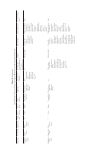
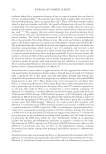
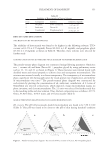
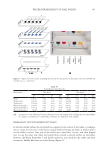
Table V
Stability Evaluation of Formulated Sunscreen
Parameters Bc BcCE
0 days 30 days 0 days 30 days
Thermal stability No liquefaction No liquefaction No liquefaction No liquefaction
Centrifugation test No phase
separation
No phase
separation
No phase
separation
No phase
separation
Rancidity test Negative Negative Negative Negative
pH 6.5 6.5 6.5 6.5
octylmethoxycinnamate and oxybenzone), they not only help to stabilize the chemical filters,
but they also help to lower the concentrations of chemical filters used in sunscreen.40,41
Therefore, synergistic UV protection efficacy of the carotenoid extract from R kroppenstedtii
with low concentrations of commercial sunblocks could be studied in future.
STABILITY OF THE CREAM
The stability test results (Table V) indicate that the formulation was stable during storage
and there was no phase separation, no change in pH, and no presence of rancidity. Generally,
the pH of a cosmetic cream should be in the range of 5 to 7. It is important to note that
acidic or alkaline pH may result in skin irritation and also influences the hydration rate
of polymer.29 In the present study, the formulated cream’s pH was found to be within the
range of cosmetic standards and also favored the skin’s pH requirements.
Considering the acceptability criteria,37,38 the sunscreen formulation containing 10%
carotenoid extract displayed stable test parameters at the end of the study period (30 days).
CONCLUSION
The present study is a preliminary investigation on the use of carotenoid derived from an
indigenous isolate, R kropenstedtii, as an active component in a sunscreen formulation. In
preformulation studies, the carotenoid extract displayed DPPH radical scavenging and ferric
reducing potential with no evident cytotoxicity against HaCaT cell lines. The formulated
sunscreen containing 10% carotenoid extract exhibited good stability and moderate broad
spectrum UV protection potential. The findings suggest that carotenoid derived from R
kroppenstedtii could be used as a potential photoprotectant. Thus, a sunscreen based on
microbe-derived UV filters is a low-cost, long-term, and safe UV protection alternative.
To determine if a microbe-derived carotenoid may be utilized as an acceptable sunscreen
ingredient, future studies on the assessment of in vivo safety and other regulatory guidelines
must be taken into account.
ACKNOWLEDGMENTS
The authors would like to thank Dr. Sanjeev Waghmare, Scientific officer, ACTREC,
Kharghar, India for providing HaCaT cell line for this study.
Table V
Stability Evaluation of Formulated Sunscreen
Parameters Bc BcCE
0 days 30 days 0 days 30 days
Thermal stability No liquefaction No liquefaction No liquefaction No liquefaction
Centrifugation test No phase
separation
No phase
separation
No phase
separation
No phase
separation
Rancidity test Negative Negative Negative Negative
pH 6.5 6.5 6.5 6.5