362 JOURNAL OF COSMETIC SCIENCE
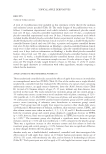
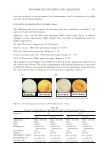
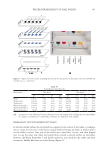
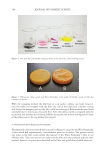
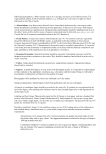
Dye leak test. The dye leak test was done using either one or two coats of nail polish,
similar to the evaporation test. One coat of each polish was applied with the applicator
that was part of the original packaging to a silicone mat and allowed to dry for 5 minutes.
Approximately 5 ml of water was poured into a 10 mL beaker. Using metal forceps, the
film was peeled off the mat and placed over the 10 ml beaker. Two drops of the blue food
color were dropped onto the film and allowed to sit for 1 minute. After 1 minute, the dye
droplet was rubbed for 10 seconds with a gloved finger in a circular motion and the leftover
was soaked up with a sterile Q-tip. The beakers were then flipped into an upside-down
position and let sit for 30 seconds. Then, the beakers were flipped back to upright position
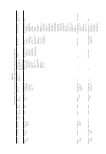
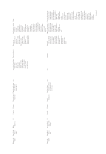
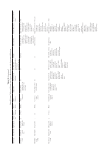
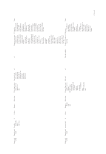
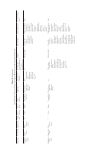
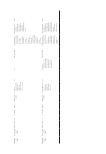
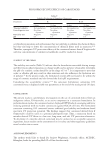
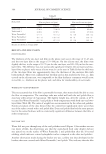
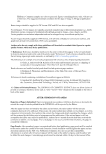
Table I
Composition of the Nail Polishes Tested in This Study
Nail polish Ingredients (INCI names)
Traditional 1
(Sassy +Chic
in shade 946)
Ethyl Acetate, Butyl Acetate, Nitrocellulose, Adipic acid/Neopentyl glycol/
Trimellitic Anhydride Copolymer, Acetyl Tributyl Citrate, Isopropyl Alcohol,
Stearalkonium Bentonite, Diacetone Alcohol, Sucrose Acetate Isobutyrate, Silica,
Stearalkonium Hectorite, Phosphoric Acid, Titanium Dioxide (CI 77891), Red 6
(CI15850)
Traditional 2
(OPI in shade
Steel Waters
Run Deep)
Ethyl Acetate, Butyl Acetate, Nitrocellulose, Acetyl Tributyl Citrate, Adipic Acid/
Neopentyl Glycol/Trimellitic Anhydride Copolymer, Isopropyl Alcohol,
Stearalkonium Bentonite, Styrene/Acrylates Copolymer, Benzophenone-1, Silica,
Diacetone Alcohol, Di-HEMA Trimethylhexyl Dicarbamate, Trimethylpentanediyl
Dibenzoate, Phosphoric Acid, CI 77891 (Titanium Dioxide), CI 77266 (Black 2),
CI 77491 (Iron Oxides), CI 19140 (Yellow 5)
Water
Permeable 1
(786 in shade
Shiraz)
Butyl Acetate, Ethyl Acetate, Nitrocellulose, Adipic Acid/Neopentyl Glycorl/trimellitic
Anhydride Copolymer, Acetyl Tributyl Citrate, Isopropyl Alcohol,
Polyethylmethacrylate, Sucrose Acetate Isobutyrate, Stearalkonium Bentonite,
Diacetone Alcohol, Silica, Benzophenone-1, Trimethylpentanediyl Dibenzoate,
Dimethicone, Trimethylsiloxysili-cate, N-Butyl Alcohol, Phosphoric Acid, May
Contain: Mica, Bis (Glycidoxyphenyl) Propane/Bisaminomethylnorbornane
Copolymer, Aluminum Hydroxide, Tin Oxide, Titanium Dioxide/CI 77891, Ferric
Ammonium Ferrocyanide/CI 77510, Iron Oxide/CI 77499, Black Iron Oxide/CI
77499, Red Iron Oxide/CI 77499, Ultramarines/CI 77007, Aluminium (Aluminum)
Powder/CI 77000, DC Violet 2/CI 60730, Red 28/CI 45410, Yellow 5 Lake/CI
19140, Red 34 Lake/CI 15880, Red 6 Lake/CI 15850, Red 7 Lake/CI 15850
Water
Permeable 2
(Orly in shade
Kiss me I’m
Kind)
Butyl Acetate, Ethyl Acetate, Nitrocellulose, Adipic Acid/Neopentyl Glycol/
Trimellitic Anhydride Copolymer, Acetyl Tributyl Citrate, Isopropyl Alcohol,
Stearalkonium Bentonite, Acrylates Copolymer, Sucrose Acetate Isobutyrate,
Styrene/Acrylates Copolymer, Benzophenone-1, Silica, Trimethylpentanediyl
Dibenzoate, Dimethicone, Trimethylsiloxysilicate, Argania Spinosa Kernel Oil,
Ascorbyl Palmitate, Panthenol, Phenoxyethanol, Fucus Vesiculosus Extract,
Aspalathus Linearis Leaf Extract, Water/Aqua/Eau, Propylene Glycol, Glycerin.
May Contain: CI 77891 (Titanium Dioxide), CI 15850 (Red 6), CI 73360 (Red
30), CI 77491 (Red Iron Oxide), CI 77499 (Black Iron Oxide), CI 77492 (Yellow
Iron Oxide), CI 15880 (Red 34), CI 15850 (Red 7), CI 19140 (Yellow 5), CI
77163 (Bismuth Oxychloride), CI 77510 (Ferric Ammonium Ferrocyanide), CI
42090 (Blue 1), CI 60725 (Violet 2), CI 47005 (Yellow 10), CI 77000 (Aluminum
Powder), CI 77489 (Brown Iron Oxide), CI 77007 (Ultramarines), CI 77266 (Black
2), CI 77288 (Chromium Oxide Greens)
Water
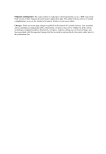
Permeable 3
(Tuesday in
Love in shade
Sunshine)
Butyl Acetate, Ethyl Acetate, Nitrocellulose, Adipic Acid/Neopentyl, Glycol/
Trimellitic Anhydride, Copolymer, Acetyl Tributyl Citrate, Isopropyl Alcohol,
Stearalkonium Bentonite, Acrylates Copolymer, Styrene, Silica, Benzophenone-1,
Trimethylpentanediyl Dibenzoate, Til Permeability ComplexTM (Tuesday in Love,
Canada)
Dye leak test. The dye leak test was done using either one or two coats of nail polish,
similar to the evaporation test. One coat of each polish was applied with the applicator
that was part of the original packaging to a silicone mat and allowed to dry for 5 minutes.
Approximately 5 ml of water was poured into a 10 mL beaker. Using metal forceps, the
film was peeled off the mat and placed over the 10 ml beaker. Two drops of the blue food
color were dropped onto the film and allowed to sit for 1 minute. After 1 minute, the dye
droplet was rubbed for 10 seconds with a gloved finger in a circular motion and the leftover
was soaked up with a sterile Q-tip. The beakers were then flipped into an upside-down
position and let sit for 30 seconds. Then, the beakers were flipped back to upright position
Table I
Composition of the Nail Polishes Tested in This Study
Nail polish Ingredients (INCI names)
Traditional 1
(Sassy +Chic
in shade 946)
Ethyl Acetate, Butyl Acetate, Nitrocellulose, Adipic acid/Neopentyl glycol/
Trimellitic Anhydride Copolymer, Acetyl Tributyl Citrate, Isopropyl Alcohol,
Stearalkonium Bentonite, Diacetone Alcohol, Sucrose Acetate Isobutyrate, Silica,
Stearalkonium Hectorite, Phosphoric Acid, Titanium Dioxide (CI 77891), Red 6
(CI15850)
Traditional 2
(OPI in shade
Steel Waters
Run Deep)
Ethyl Acetate, Butyl Acetate, Nitrocellulose, Acetyl Tributyl Citrate, Adipic Acid/
Neopentyl Glycol/Trimellitic Anhydride Copolymer, Isopropyl Alcohol,
Stearalkonium Bentonite, Styrene/Acrylates Copolymer, Benzophenone-1, Silica,
Diacetone Alcohol, Di-HEMA Trimethylhexyl Dicarbamate, Trimethylpentanediyl
Dibenzoate, Phosphoric Acid, CI 77891 (Titanium Dioxide), CI 77266 (Black 2),
CI 77491 (Iron Oxides), CI 19140 (Yellow 5)
Water
Permeable 1
(786 in shade
Shiraz)
Butyl Acetate, Ethyl Acetate, Nitrocellulose, Adipic Acid/Neopentyl Glycorl/trimellitic
Anhydride Copolymer, Acetyl Tributyl Citrate, Isopropyl Alcohol,
Polyethylmethacrylate, Sucrose Acetate Isobutyrate, Stearalkonium Bentonite,
Diacetone Alcohol, Silica, Benzophenone-1, Trimethylpentanediyl Dibenzoate,
Dimethicone, Trimethylsiloxysili-cate, N-Butyl Alcohol, Phosphoric Acid, May
Contain: Mica, Bis (Glycidoxyphenyl) Propane/Bisaminomethylnorbornane
Copolymer, Aluminum Hydroxide, Tin Oxide, Titanium Dioxide/CI 77891, Ferric
Ammonium Ferrocyanide/CI 77510, Iron Oxide/CI 77499, Black Iron Oxide/CI
77499, Red Iron Oxide/CI 77499, Ultramarines/CI 77007, Aluminium (Aluminum)
Powder/CI 77000, DC Violet 2/CI 60730, Red 28/CI 45410, Yellow 5 Lake/CI
19140, Red 34 Lake/CI 15880, Red 6 Lake/CI 15850, Red 7 Lake/CI 15850
Water
Permeable 2
(Orly in shade
Kiss me I’m
Kind)
Butyl Acetate, Ethyl Acetate, Nitrocellulose, Adipic Acid/Neopentyl Glycol/
Trimellitic Anhydride Copolymer, Acetyl Tributyl Citrate, Isopropyl Alcohol,
Stearalkonium Bentonite, Acrylates Copolymer, Sucrose Acetate Isobutyrate,
Styrene/Acrylates Copolymer, Benzophenone-1, Silica, Trimethylpentanediyl
Dibenzoate, Dimethicone, Trimethylsiloxysilicate, Argania Spinosa Kernel Oil,
Ascorbyl Palmitate, Panthenol, Phenoxyethanol, Fucus Vesiculosus Extract,
Aspalathus Linearis Leaf Extract, Water/Aqua/Eau, Propylene Glycol, Glycerin.
May Contain: CI 77891 (Titanium Dioxide), CI 15850 (Red 6), CI 73360 (Red
30), CI 77491 (Red Iron Oxide), CI 77499 (Black Iron Oxide), CI 77492 (Yellow
Iron Oxide), CI 15880 (Red 34), CI 15850 (Red 7), CI 19140 (Yellow 5), CI
77163 (Bismuth Oxychloride), CI 77510 (Ferric Ammonium Ferrocyanide), CI
42090 (Blue 1), CI 60725 (Violet 2), CI 47005 (Yellow 10), CI 77000 (Aluminum
Powder), CI 77489 (Brown Iron Oxide), CI 77007 (Ultramarines), CI 77266 (Black
2), CI 77288 (Chromium Oxide Greens)
Water
Permeable 3
(Tuesday in
Love in shade
Sunshine)
Butyl Acetate, Ethyl Acetate, Nitrocellulose, Adipic Acid/Neopentyl, Glycol/
Trimellitic Anhydride, Copolymer, Acetyl Tributyl Citrate, Isopropyl Alcohol,
Stearalkonium Bentonite, Acrylates Copolymer, Styrene, Silica, Benzophenone-1,
Trimethylpentanediyl Dibenzoate, Til Permeability ComplexTM (Tuesday in Love,
Canada)