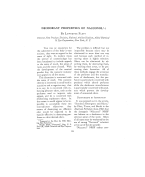
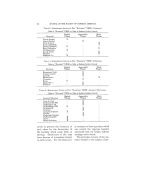
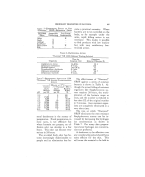
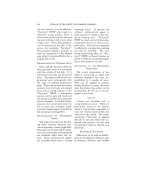
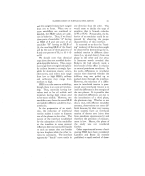
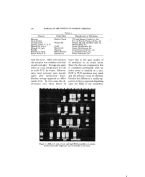
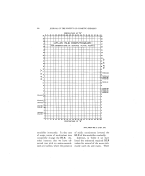
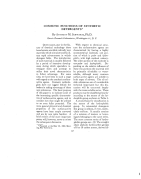
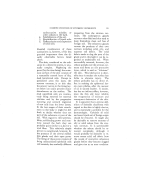
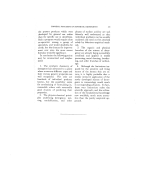
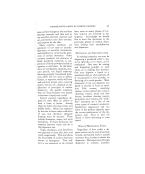
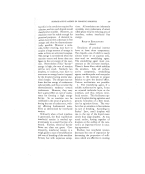
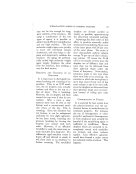
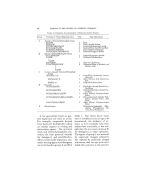
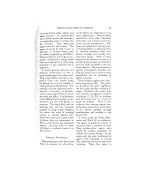
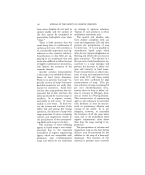
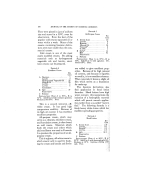
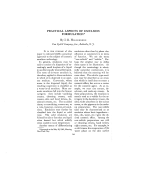
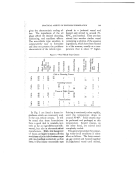
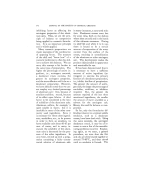
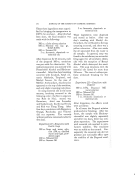
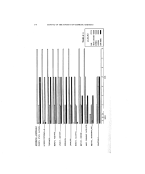
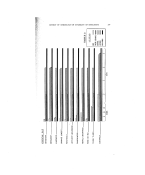
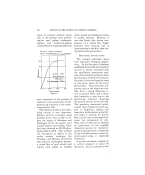
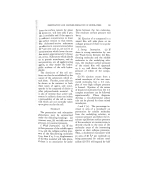
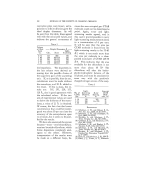
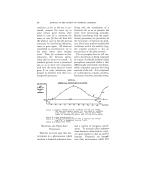
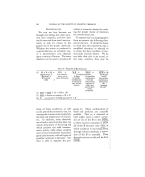
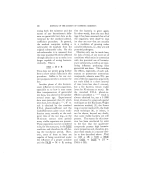
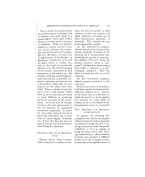
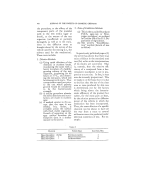
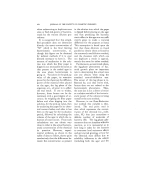
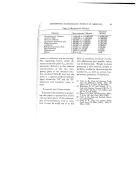
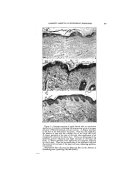
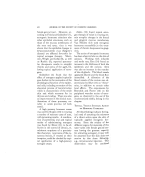
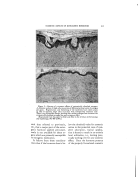
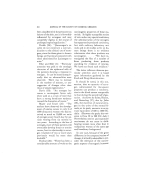
CLASSIFICATION OF SURFACE-ACTIVE AGENTS 323 T. BL• 6 Oil or Wax Required HLB for o/w w/o Emulsion Emulsion Cottonseed Oil Carbontetrachloride ParafFin (household) . Microcrystalline wax (Micropac Q, S-V) Mineral Oil, White, light (Marcol GX) Mineral Oil, White, heavy (Nujol) Mineral Seal Oil Petrolatum, white (White Perrecta) Silicone Oil (G. E.) Kerosene Naphtha ß Cetyl Alcohol Orthodichlorobenzene •' Beeswax, white Carnauba Wax Candelilla Wax Lanolin, U.S. P., anhyd. Dimethyl Phthalate Or thophenylphenol Stearic Acid 9 9.5* io Io.5 Io.5' xo.5 Io.5' I3' I3 i3' io-i6 I4.5' i4.5' I5 i5' 17 * Tentative. •' Plus small amounts (3-5%) of pine oil and isopropyl alcohol. values are reported only in half- unit increments due to lack of pre- cision in measurement. However, the values are amply accurate for use with the HLB values for the enmlsifiers in a selection of an emulsifier combination. The oils and waxes are tabulated in ascend- ing order of required HEWs. As would be expected similar values are noted for like chemical types. METHOD OF USE OF HLB VALu•.s We have developed a "refined trial-and-error system" based on HLB values. In any emulsification problem one of two conditions can exist: (1) the problem can be to emulsify an oil phase of unknown composition, or (2) the approximate desired formula may be known in- cluding the composition of the oil phase. If the properties, particularly the required HLB, of the oil phase are unknown as in the first condition, a preliminary exploratory test is set up. This is usually done with a non-ionic emulsifier combination, such as Span 60 and Tween 60, of known HLB values. The first series of determinations are prepared with various ratios of these emulsifiers using a maximum amount of total emulsifier. Usu- ally a series, resembling those in the top row of Fig. 6, is obtained. It appears that the optimum HLB for this system is between samples 3 and 4. A more accurate determina- tion of the required HLB is next obtained by the preparation of a second series, using small increments of this same pair of emulsifiers as shown in the second row of tests. After determination of the opti-

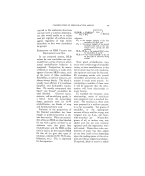
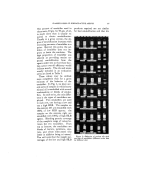
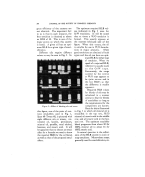
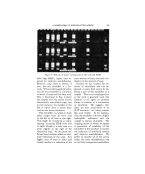
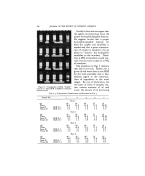
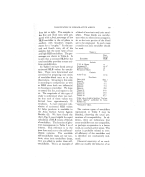
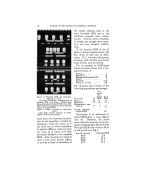
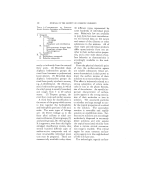
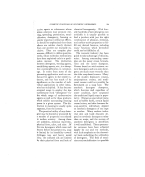
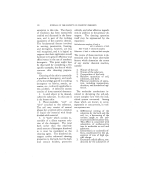
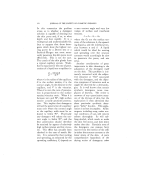
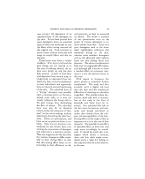
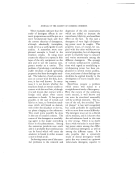
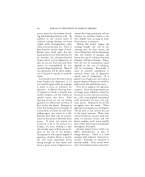
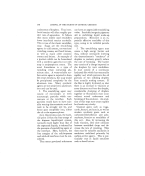
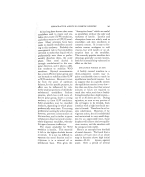
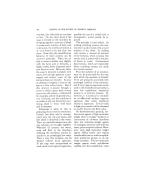
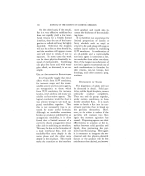
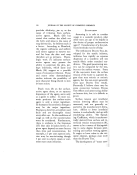
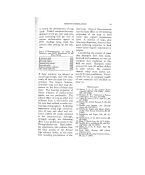
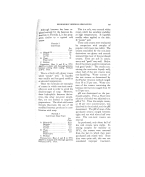
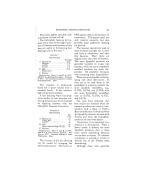
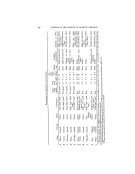
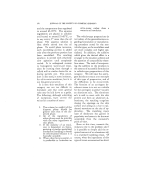
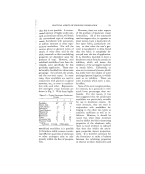
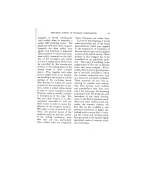
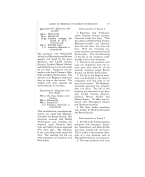
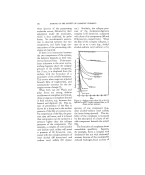
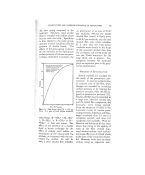
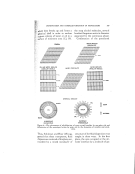
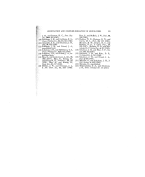
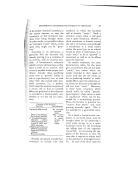
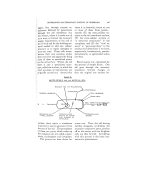
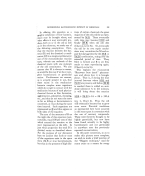
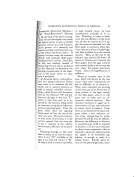
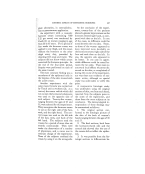
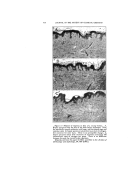
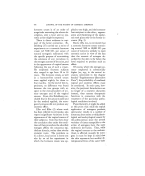
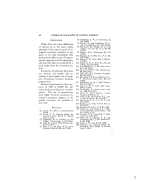
324 JOURNAL OF T•IE SOCIETY OF COSMETIC CHEMISTS .., '•-• ß ß H H ]man . • • • JlaL •,) q, II ,+ -- Figure &--Example HLB use emulsions, alLpurpose cream (Top Row) Preliminary determination of required HLB of oil phase. (Middle Row) Final estimation of required HLB, value 10.4. (Bottom Row) Comparison of various chemical types, all at same HLB Figure 7.--Effect of polyol on all-purpose cream (Top Row.) Various amounts of Arlex. (Bottom Rozo) Various polyols. mum point, the chemical classifica- tion for the emulsifier is studied by preparing a third test series, as in the third row, in which emulsifiers of selected different chemical types are tried, all of which have been previously blended to the required HLB. After choosing the chemical type, a final series usually suffices to provide a blend of emulsifiers of the chosen chemical type at the most favorable HLB and at the minimum required total concen- tration. This last series of samples is usually put through more exten- sive and more stringent stability tests. If the required HLB of the oil phase is known approximately, the first series of tests may be elimi- nated. If it is known with greater accuracy, both the first and second 'series of tests may be omitted. For an example, an All-Purpose Cream has been chosen with a pro- posed formula of: Beeswax ...................... 5 Mineral Oil .................... 26 Hydrogenareal Vegetable Oil ..... 18 Polyol ........................ 4 Emulsifier ..................... 5-10 Water, q. s. to make ............ 100 The oil phase, then consists of the following approximate percentages. Oil or Wax Beeswax Mineral Oil Hydrogenareal vege- table oil Average estimated required HLB Esti- mated Re- quired % X % HLB HLB 10 15 1.5 53 10 5.3 37 9 3.3 10.1 Calculation of an estimated re- quired HLB gives a value slightly over 10. Therefore, the initial series with this oil phase can be pre- pared combining Span 60 and Tween 60 to give HLB values close to 10, as in the second row, Fig. 6. Span 60-Tween 60 Calculated HLB 50-50 9.8 45-55 10.3 40-60 10.8 35 --65 11.3 25-75 12.4
Purchased for the exclusive use of nofirst nolast (unknown)
From: SCC Media Library & Resource Center (library.scconline.org)